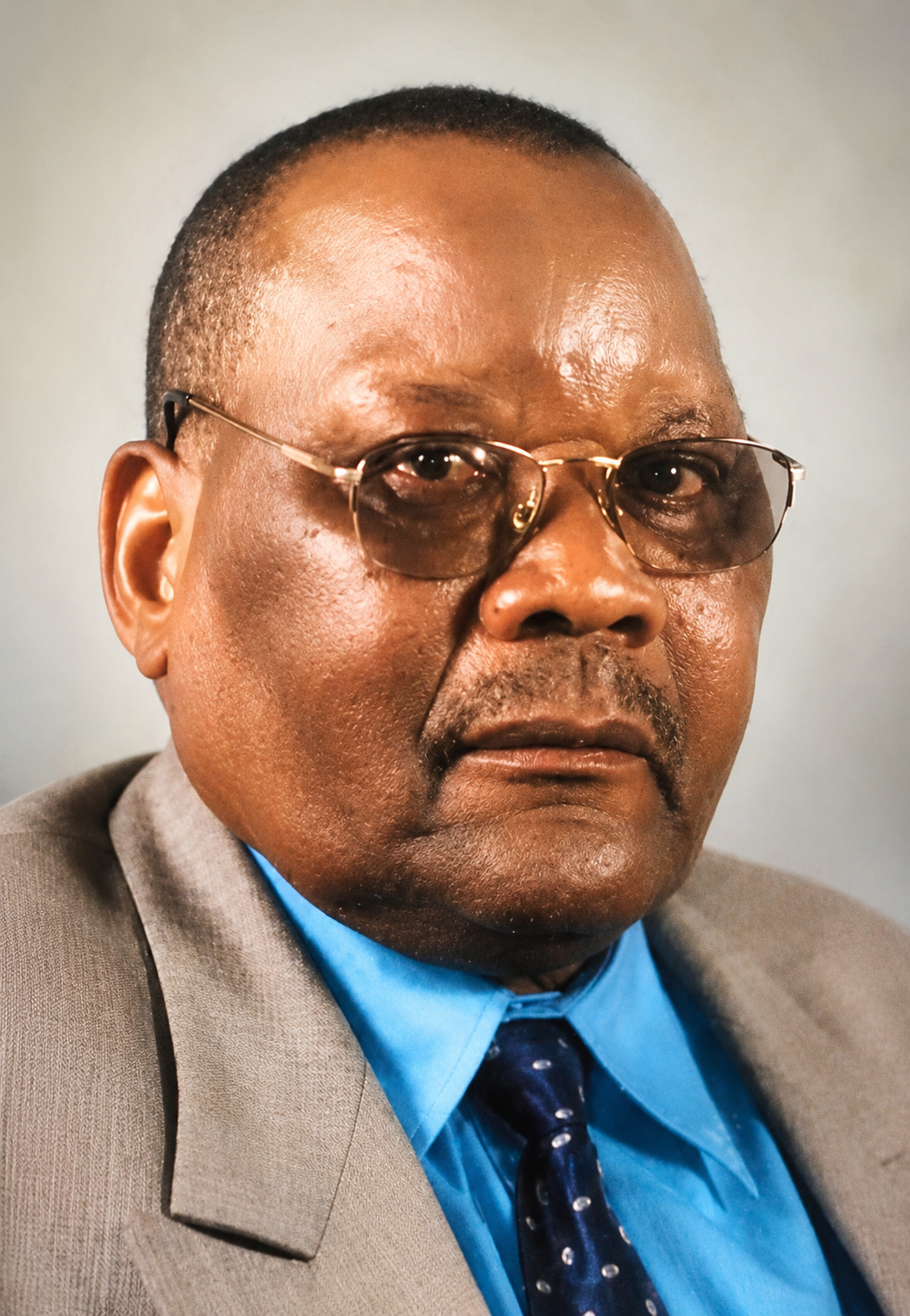
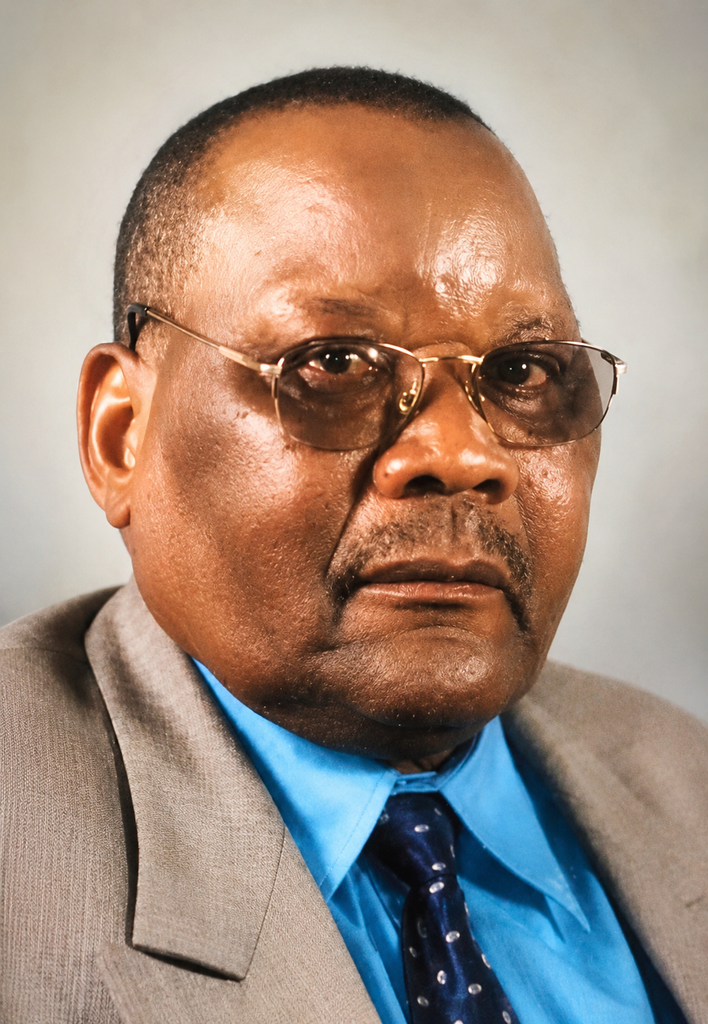
Namibia has honoured the legacy of SWAPO veteran and former Member of Parliament Nathaniel Maxuilili, whose remains were reburied at Heroes’ Acre on 24 August 2026 alongside other fallen heroes of the liberation struggle.
Affectionately remembered as the “Desert Lion” and Omundilo wo kapalwa — “the fire of the battlefield”, Maxuilili was recognised as one of the key figures who sustained the liberation struggle from within Namibia during decades of apartheid rule. A fearless nationalist, Maxuilili worked alongside fellow liberation struggle leaders, including former President Hifikepunye Pohamba and Andimba Toivo ya Toivo. He endured imprisonment, house arrest, political restrictions and persistent harassment, but remained committed to Namibia’s independence.
Born in Tsumeb on 10 October 1927, Maxuilili joined the Ovambo People’s Organisation (OPO), the forerunner of SWAPO, in 1959 and became its vice president. From 1960 to 1989, he served as SWAPO’s acting president inside Namibia while much of the movement’s leadership operated in exile. His political activism came at considerable personal cost. He was arrested in 1966 following the start of the armed liberation struggle and spent five years imprisoned on Robben Island.
After his release, he faced continued restrictions, including banning orders and house arrest in Walvis Bay.
Despite these measures, Maxuilili continued organising and mobilising Namibians against apartheid. He was also associated with the historic 1971–72 workers’ strike, which challenged the contract labour system and became an important milestone in Namibia’s liberation history. His daughter, Penny Uukunde, has recalled the personal sacrifices made by the family during her father’s years of political activism. She said their home in Walvis Bay often felt as though it belonged to the nation rather than the family because of the constant political activity and surveillance surrounding her father. “He was not just a liberation struggle hero. He was not just a member of Parliament. He was a father and a husband,” she said, highlighting the human cost behind his public life.

Following independence, Maxuilili became a nation-builder, serving in the Constituent Assembly from 1989 to 1990 and later as a Member of the National Assembly and Deputy Cabinet Minister. Vice President Netumbo Nandi-Ndaitwah, who attended the commemorative events, called on Namibians to preserve the history of the liberation struggle and ensure that younger generations understand the sacrifices made for the country’s freedom. “The highest tribute, fellow Namibians, we can pay to these heroes is not only to say their names but also to build the Namibia for which they struggled,” she said.
Maxuilili died on 23 June 1999 at the age of 71 after an ambulance transporting him for emergency medical treatment was involved in a road accident near Walvis Bay. His reburial at Heroes’ Acre has provided a long-awaited national tribute to a man whose courage and endurance helped keep the liberation struggle alive inside Namibia. His legacy now stands not only as a chapter in the country’s political history, but as a reminder of the sacrifices made by individuals and families in the pursuit of freedom, equality and national unity.
By Rudi Bowe