Namibia has launched a new national disability assessment guideline and digital programme aimed at ending delays, inconsistencies and administrative barriers that have affected persons with disabilities seeking social protection.
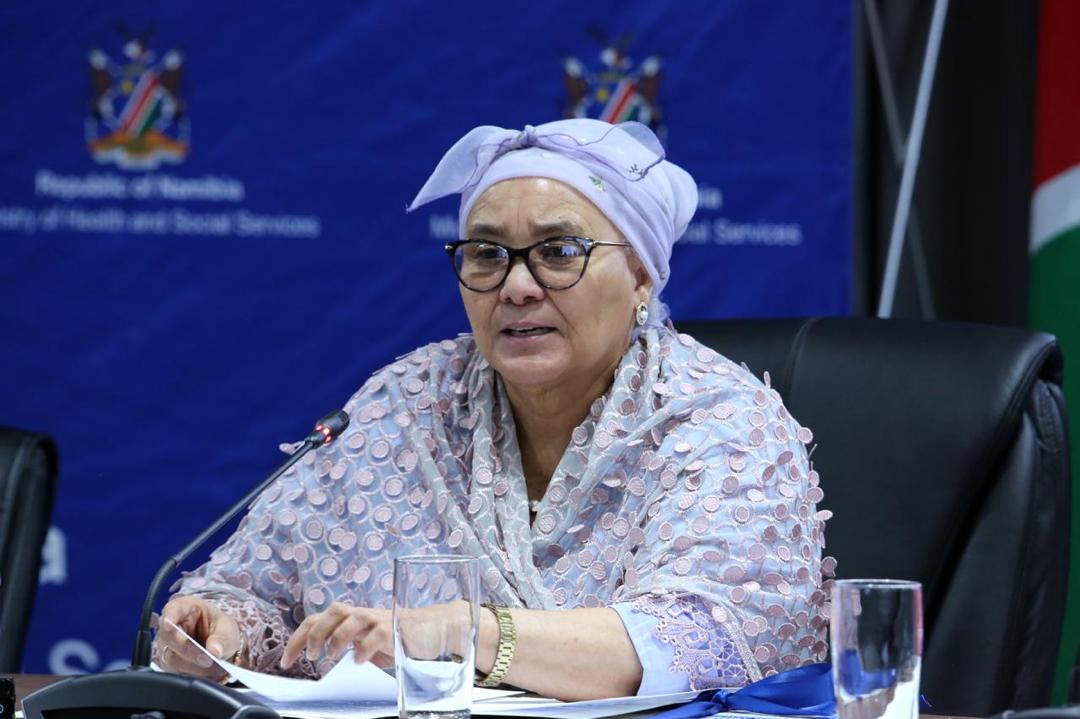
Vice President Lucia Witbooi officially launched the Namibian Guideline for the Medical Assessment of Functionality and Degree of Disability, together with the Digital Programme for Medical Assessment of Persons with Disabilities, in Windhoek on Friday.
Witbooi said the reforms mark a significant step in Government’s efforts to protect the dignity, rights and well-being of persons with disabilities and ensure that assessments are conducted fairly, accurately, consistently, transparently and efficiently.
Namibia’s 2023 Population and Housing Census estimates that 152,790 people live with disabilities, up from 98,413 in 2011. About 12% of households include persons with disabilities, while 7% are headed by people with disabilities.
“These figures remind us that disability touches our families, our communities, our institutions and our entire society,” Witbooi said.
She stressed that disability inclusion should no longer be treated simply as a social responsibility, but as a national development priority.
The reform is particularly significant for beneficiaries of the disability pension, one of Namibia’s key social protection programmes. Established under the National Pensions Act of 1992, the monthly grant has risen from N$300 at Independence to N$1,700 as of April 2026.
Witbooi acknowledged that the previous assessment system was plagued by unclear guidelines, inconsistent application of criteria and administrative complications.
“These challenges resulted in delays and inequities that affected not only access to social protection, but also the livelihoods, well-being and dignity of persons with disabilities and their families,” she said.
The new digital system is intended to reduce delays, improve record-keeping, minimise duplication and strengthen evidence-based decision-making.
But Witbooi cautioned that digitalisation must mean more than simply replacing paper with computers.
“It must mean better, faster and more accountable service delivery,” she said.
The system is also expected to help bridge the gap between urban and rural communities, ensuring that geographical distance and cumbersome paperwork do not prevent people from accessing support.
However, the Vice President warned that the success of the programme will not be measured by its launch, but by its impact on the lives of persons with disabilities.
“Technology alone cannot deliver inclusion,” she said, stressing the need for adequate resources, accountability, institutional cooperation and sustained political commitment.
Witbooi also urged persons with disabilities, families, caregivers and representative organisations to actively participate in shaping the system.
“Nothing about us, without us,” she said.
She called on Government institutions, regional and local authorities, healthcare professionals, civil society and development partners to work together to ensure the programme reaches every Namibian who needs it.
The ultimate goal, she said, is a Namibia where disability is not a barrier to opportunity, dignity or participation in national development.
By Rudi Bowe