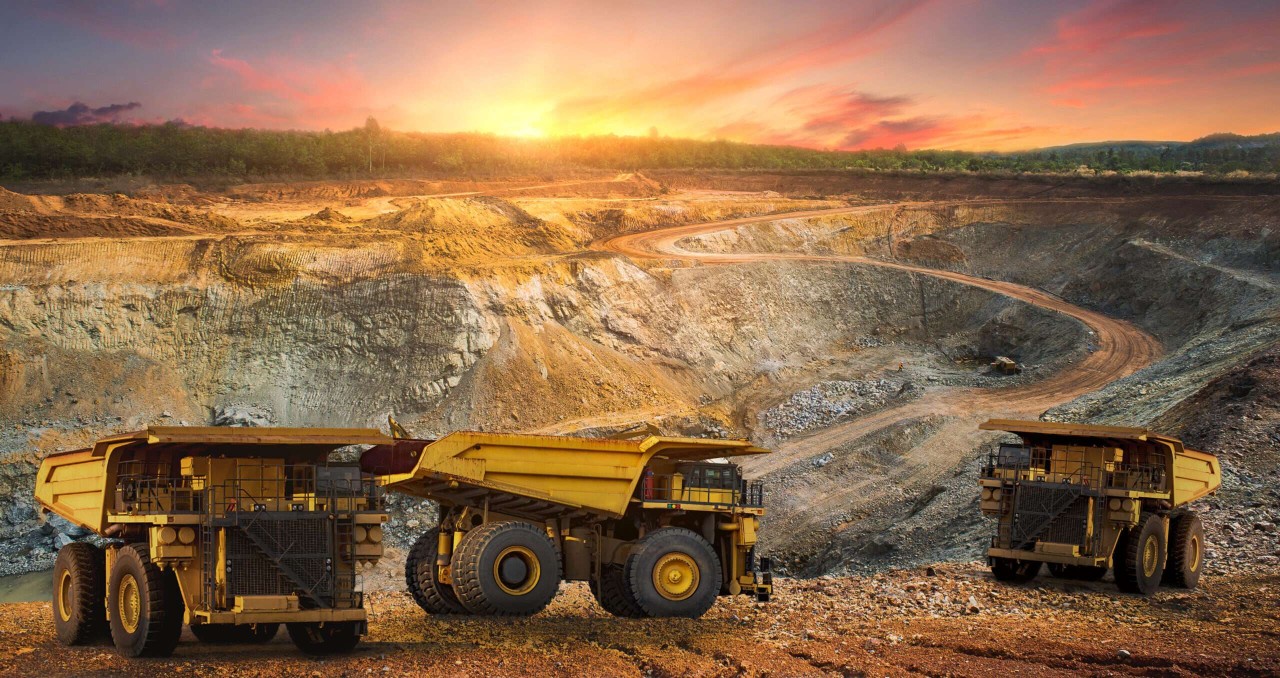
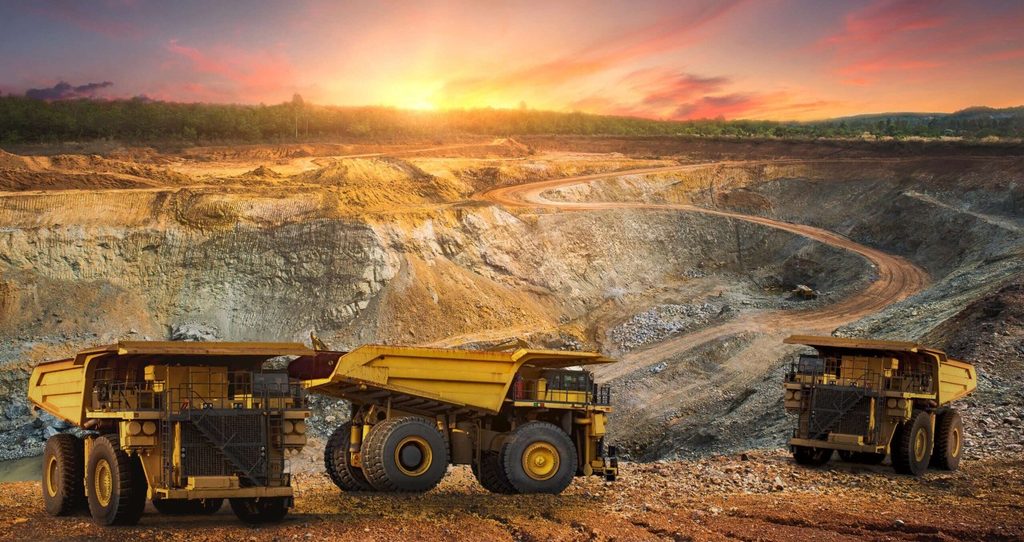
Photo (LinkedIn) for illustrative purposes only
Namibia’s mining and quarrying sector contracted by 3.1% in the second quarter of 2026, despite the overall economy growing by 4.8%, according to the Chamber of Mines of Namibia.
The latest Monthly Mining Update shows that the contraction was mainly linked to lower uranium and metal-ore production. However, the decline was smaller than the 7.1% contraction recorded in the first quarter, indicating some improvement. The Chamber said uranium production fell by 12% in the second quarter, largely due to a planned 22-day maintenance shutdown at the Husab mine in June. Metal-ore production fell by 20.1%, with lower gold production linked to the move from open-pit to underground mining at B2Gold’s Otjikoto mine.
The diamond sector also remained under pressure, with production down slightly amid weak international demand and lower prices. There was, however, some improvement in July. Mining production increased by 7.7% compared with June and was 2.3% higher than July 2025 – the first year-on-year increase since December 2025. Uranium production rose sharply in July to 878 tonnes, while zinc production increased to 5,658 tonnes. Diamond production reached 190,161 carats and was 7.8% higher than in July 2025. Gold remained under pressure, with production falling by almost 30% year-on-year as existing operations move towards underground mining.
Despite lower production, strong international commodity prices are helping to support Namibia’s export earnings. Mineral exports were worth about N$4.5 billion in July, with gold, diamonds and uranium making up a significant share. Gold alone accounted for about N$1.91 billion, followed by diamonds at N$1.39 billion and uranium at N$625 million. The sector is also facing higher operating costs. The Chamber noted that the price of 50ppm diesel in Walvis Bay increased from N$19.63 per litre in March to N$27.86 in September – an increase of about 42%. The Chamber said higher fuel prices are adding pressure to haulage, processing and logistics costs, while Namibia’s headline inflation reached 5% in August.

Chamber of Mines CEO Fabian Shaanika described 2026 as a transition year for the sector, saying strong commodity prices were helping to cushion the impact of lower production and rising costs. The outlook is more positive from 2027, with projects and expansions including Langer Heinrich, Etango, Tumas, Rosh Pinah, Navachab, Otjikoto and Twin Hills expected to support future production. The Chamber, however, warned that weak diamond-market conditions, high operating costs and tighter financing conditions remain risks for the sector.]
By Eileen van der Schyff
Sources: Chamber of Mines of Namibia, Monthly Mining Update: August 2026; Namibia Statistics Agency; The Namibian. (The Namibian)