Namibia recorded more than 100 000 mental health service contacts during the 2024/25 reporting period, while the country’s reported suicide rate reached 18 per 100 000 people, exceeding the estimated African regional average of 11, prompting renewed calls for urgent action to strengthen mental health care.
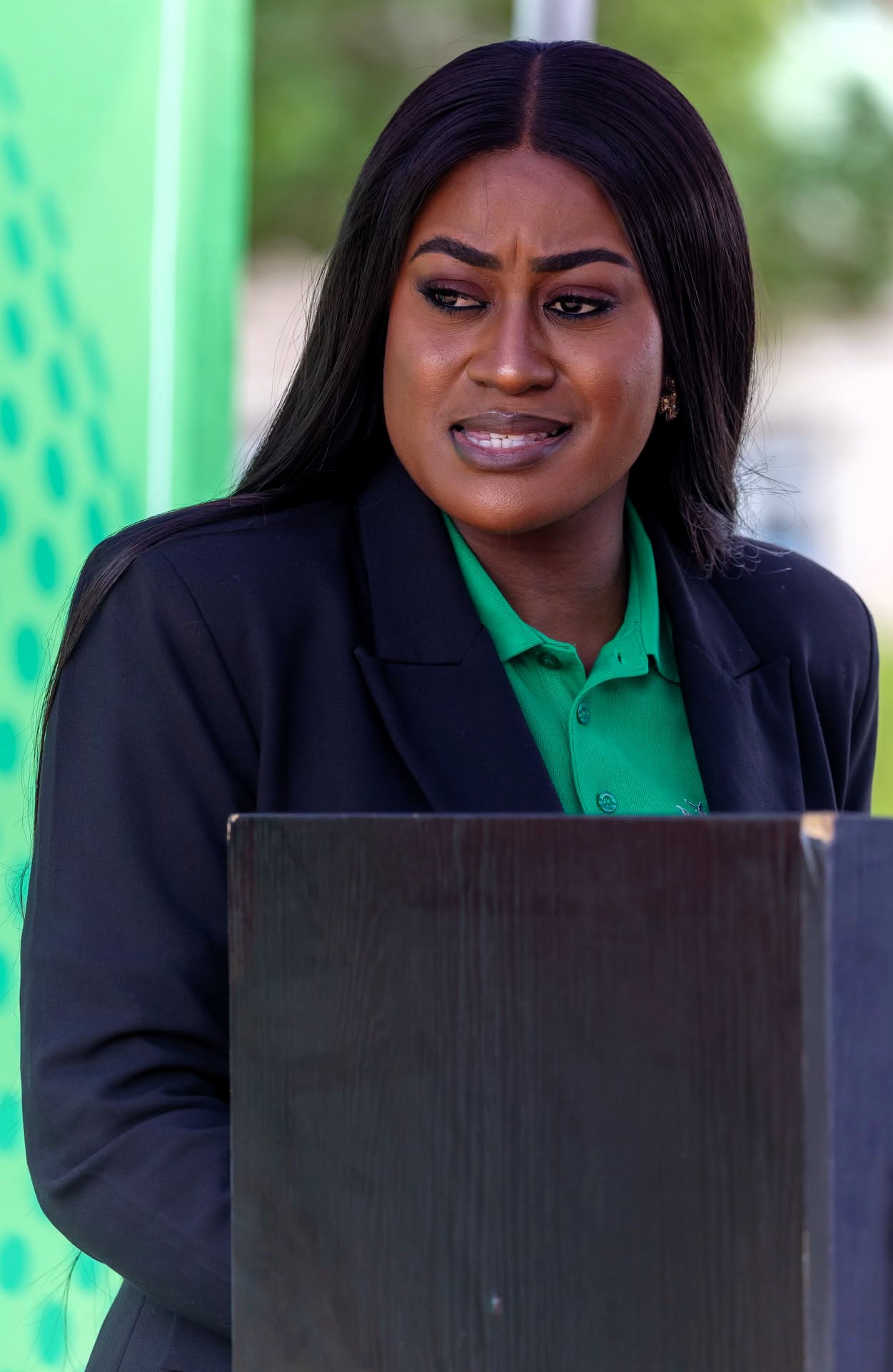
Vice-President Lucia Witbooi delivered the sobering figures during the commemoration of World Mental Health Day as she calls for urgent action as mental health services face mounting pressure, warning that the statistics demand stronger prevention, early intervention and improved access to professional support.
According to Witbooi, the country recorded approximately 91 500 outpatient mental health consultations and 11 400 inpatient admissions during the reporting period.
She stressed that these figures reflect only people who accessed services and do not reveal how many Namibians continue to struggle without the help they need.
“These figures carry profound human consequences,” Witbooi said, highlighting the impact of suicide and mental health challenges on families, children, communities and the country’s social and economic development.
The Vice-President called for a collective response to mental health challenges, emphasising that government alone cannot address the crisis.
This year’s World Mental Health Day theme, “Lived Experiences Heard: Real Voices, Real Change”, places the experiences of people living with mental health conditions at the centre of efforts to improve services and eliminate stigma. Witbooi said people should not have to endure the additional burden of discrimination, exclusion or fear of being judged when seeking help.
She welcomed the adoption of the Mental Health Bill by the National Assembly in June and the National Council in August 2026, paving the way for the Mental Health Act of 2026.
However, she cautioned that legislation alone would not deliver the required change, calling for effective implementation and accessible, affordable care across the country.
Windhoek Central Hospital houses Namibia’s largest specialised mental health unit, with 206 beds for civil and forensic psychiatric patients. Regional services operate at Oshakati and Rundu Intermediate Hospitals, as well as Swakopmund and Katima Mulilo district hospitals.
Witbooi acknowledged that shortages of clinical psychologists and occupational therapists remain a challenge, forcing complex cases to be referred to Windhoek.
She called on policymakers, employers, schools, communities and religious institutions to help create supportive environments where people can seek assistance without shame.
By Rudi Bowe