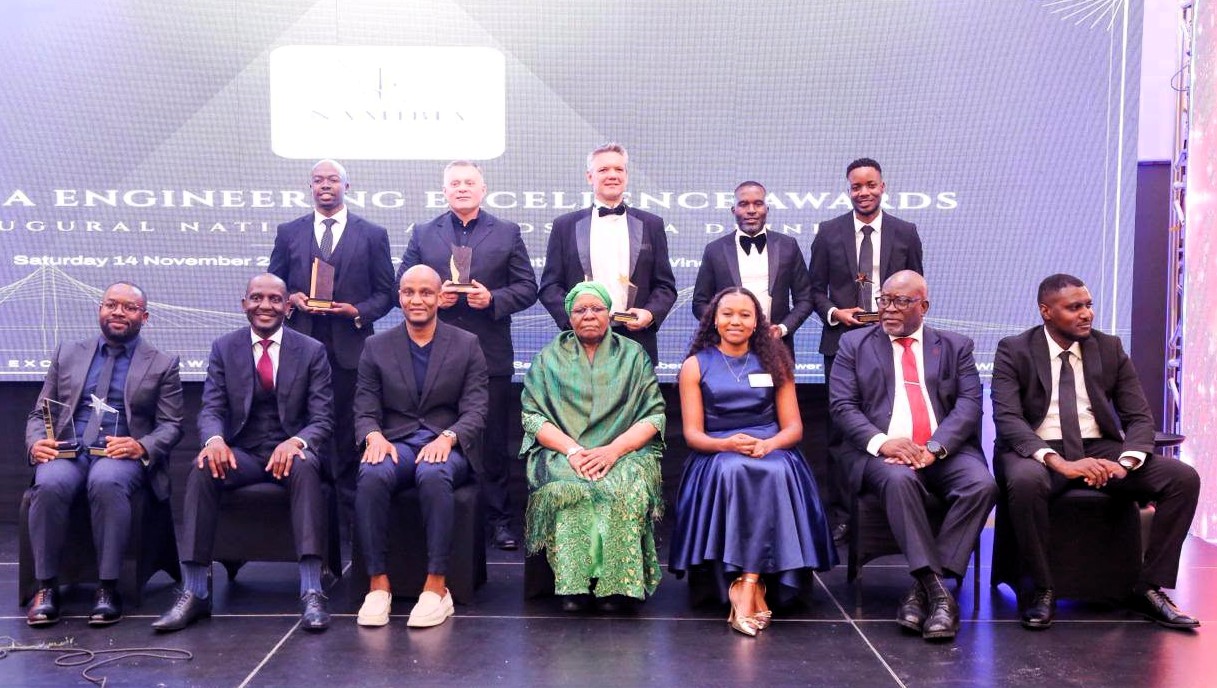
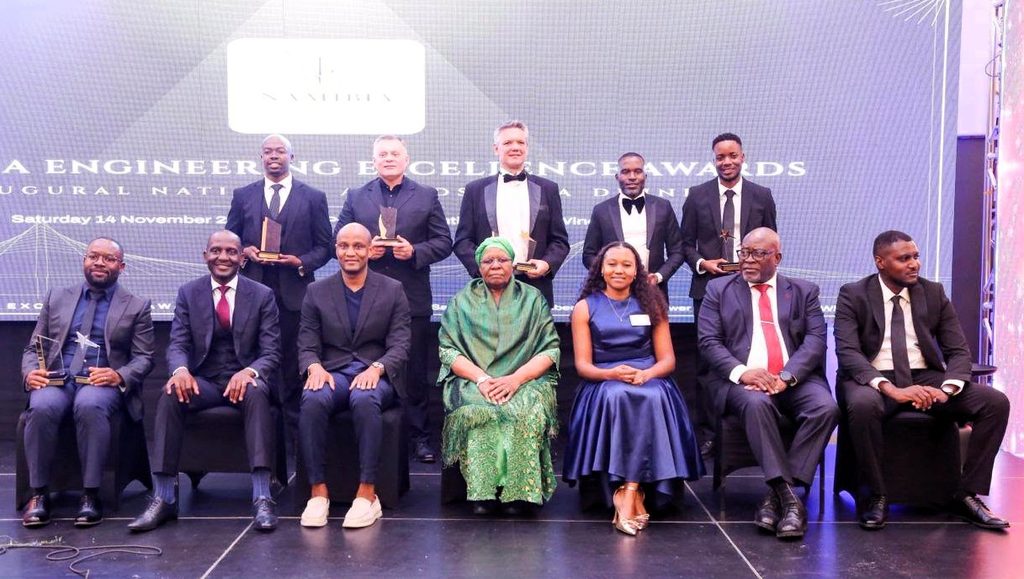
Namibia’s engineering sector was challenged to play a greater role in industrialisation, infrastructure development and economic growth during the inaugural Namibia Engineering Excellence Awards (NEEA) held in Windhoek on Saturday.
Minister of Industries, Mines and Energy Modestus Amutse stressed that engineering expertise is essential for transforming Namibia’s abundant natural resources into sustainable economic opportunities.
“Resources give us opportunity, engineering gives us the capability to turn that opportunity into prosperity,” Amutse said. He highlighted key targets under the Sixth National Development Plan (NDP6), including increasing the national electrification rate from 59.3% in 2024 to 70% by 2030, while expanding Namibia’s installed electricity generation capacity from 734 megawatts to 1 153 megawatts.
According to Amutse, industrial development and electricity access must advance together to support households, schools, clinics and businesses. He also emphasised the importance of mentorship and practical training opportunities for young engineers. “We can attract investment and acquire machinery. But lasting industrial development depends on whether we can design, build, operate and maintain productive systems, and whether that knowledge takes root here in Namibia,” he said.
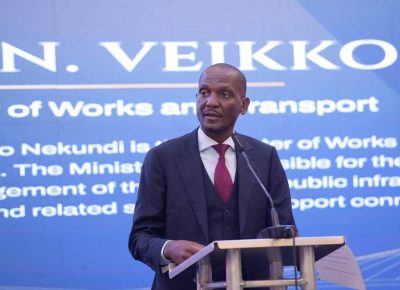
Minister of Works and Transport Veikko Nekundi raised concerns over the escalating cost of engineering consultancy services, revealing that quotations for relatively short road projects had exceeded N$12 million and N$16 million respectively. “We simply can no longer afford consultants in the engineering profession,” Nekundi said, urging engineers to reconsider their pricing structures amid growing pressure on public finances.
He also expressed concern over the slow registration of engineering graduates, noting that some wait between five and 10 years before registering as professionals. Nekundi warned that government may consider reviewing the Engineering Profession Act if the issue remains unresolved.
By Rudi Bowe