The Ministry of Agriculture, Fisheries, Water and Land Reform has announced the partial lifting of movement restrictions on cloven-hoofed animals and animal products in the Zambezi Region following successful efforts to contain an outbreak of Foot-and-Mouth Disease (FMD).
The restrictions were initially imposed after an FMD outbreak was detected in cattle at Kalala Island on 7 October 2026. According to the Directorate of Veterinary Services (DVS), extensive disease surveillance conducted within a 30-kilometre radius of the infected area has confirmed that the disease has not spread beyond Kalala Island.
Authorities reported that two rounds of vaccination have been completed using FMD serotype O and SAT 1, 2 and 3 vaccines. A total of 53,479 cattle have been vaccinated, representing more than 95% coverage of the targeted cattle population of 56 269 animals.
Chief Veterinary Officer Dr Kenneth Kennedy Shoombe said the infection remains confined to a single herd on Kalala Island, allowing authorities to ease some control measures across the rest of the region while maintaining strict restrictions in high-risk areas.
The Disease Management Area (DMA) remains limited to the Kabbe South and Kabbe North constituencies. Movement restrictions on all cloven-hoofed animals and their products from the DMA to the rest of the region remain in force. Within the DMA, farmers are permitted to slaughter fully vaccinated cattle for personal consumption and social events, although meat may not leave the controlled area. Veterinary and police roadblocks, together with patrol teams, will remain operational to prevent illegal animal movement.

Authorities have also urged farmers to continue participating in the ongoing cattle vaccination campaign by bringing animals to designated crush pens as instructed by veterinary officials. Outside the DMA, several activities have now been permitted, including the movement and slaughter of fully vaccinated cattle, the quarantining of vaccinated cattle at Kopano Quarantine Facility, and the movement of livestock from other regions into Zambezi Region, excluding the restricted DMA.
The ministry also confirmed that commodities such as hides, skins, game trophies and plant materials may be transported within, into and through most parts of the region, provided veterinary requirements are met. Raw meat, raw milk and livestock feed may also enter the region, except for products originating from the //Kharas Region.
Farmers and members of the public have been urged to remain vigilant and immediately report any suspected FMD cases or illegal animal movements to the nearest veterinary office.
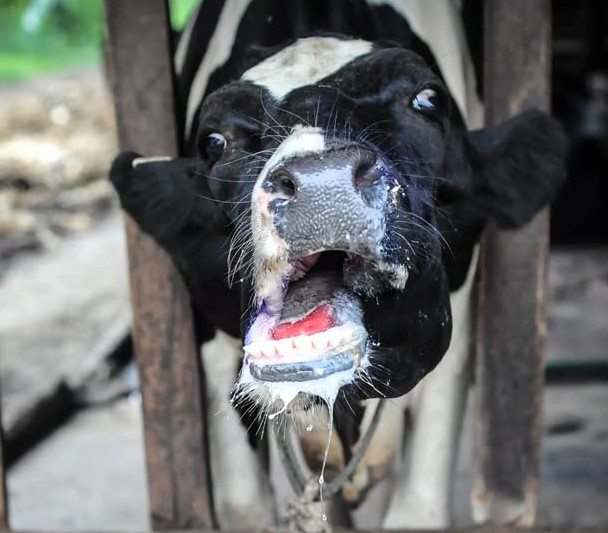
FMD is a highly contagious viral disease affecting cloven-hoofed animals. Common symptoms include excessive salivation, limping, fever and the development of blisters and ulcers on the tongue, gums and hooves. The ministry expressed appreciation to farmers and the public for their cooperation during the outbreak, noting that continued compliance with disease-control measures remains essential to protecting Namibia’s livestock industry and export markets.
By Rudi Bowe