The Walvis Bay Port Users Association (WBPUA) has raised concerns over fertilizer handling challenges and new customs bond requirements, warning that rising operational costs could undermine Namibia’s competitiveness and divert valuable cargo to rival regional ports.
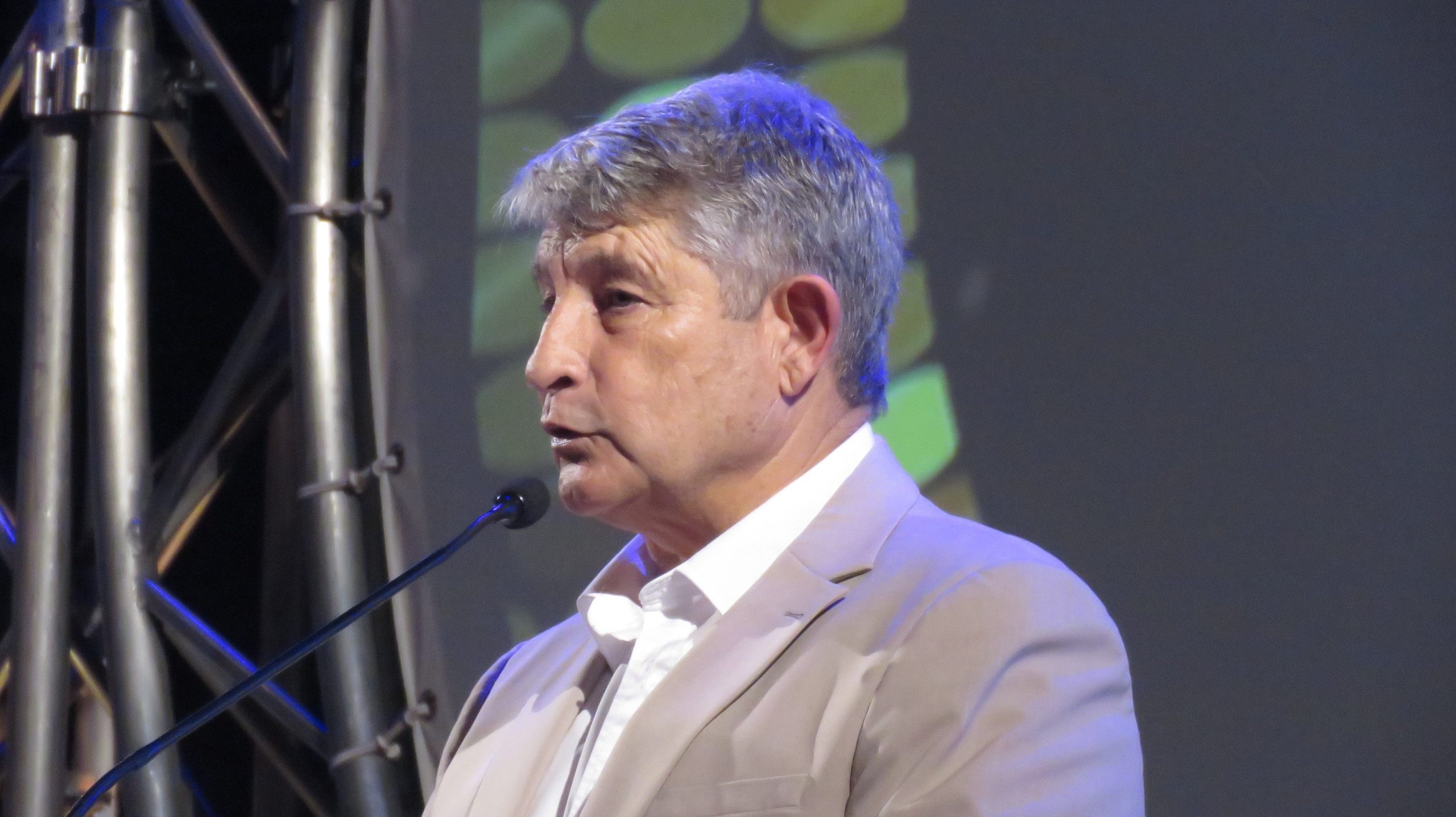
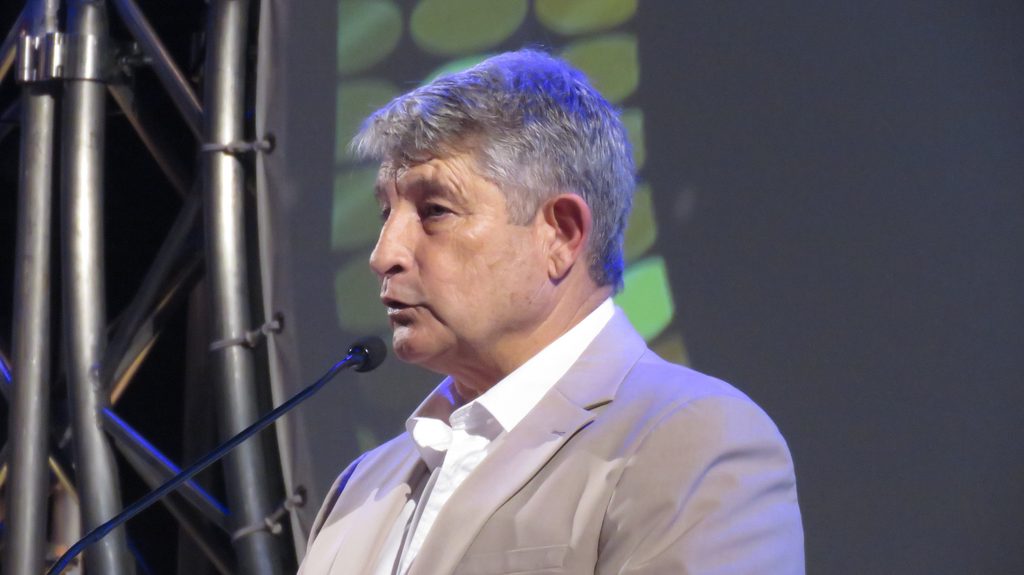
Speaking at Namport’s annual Stakeholders’ Dialogue gala dinner, WBPUA chairperson Kallie Grunschloss said that while 2026 had delivered significant progress at the Port of Walvis Bay and along regional transport corridors, two key issues required urgent attention.
The first challenge relates to the handling and movement of bulk fertilizers through the port. Grunschloss noted that despite ongoing engagement with the Ministry of Agriculture and efforts to facilitate fertilizer imports through Walvis Bay, procedural and organisational difficulties continue to affect back-of-port operators.
He stressed that agricultural inputs play a critical role in supporting regional food security and supply chains across neighbouring countries. According to Grunschloss, efficient handling systems are essential to ensure cargo moves without costly delays and bottlenecks. The second concern centres on the implementation of new customs bond requirements and their impact on long-established bonded warehouse operators, often referred to as legacy bondholders.
Grunschloss warned that significantly higher compliance costs could place severe financial strain on logistics service providers operating along Namibia’s transport corridors. In a highly competitive regional market, he said customers are unlikely to absorb major cost increases simply to use Walvis Bay as their preferred gateway.
Instead, cargo owners may shift freight to alternative ports such as Durban and Dar es Salaam, as well as other emerging regional logistics hubs.

A particular concern is the movement of refined copper, which Grunschloss described as one of the most important commodities moving through Walvis Bay. He noted that refined copper currently trades at approximately USD40 000 per tonne, making it highly sensitive to increased warehousing and regulatory costs.
The association has spent roughly 25 years developing the copper trade through Walvis Bay’s corridors, and Grunschloss warned that losing these cargo volumes would have far-reaching consequences. “Protecting copper’s competitiveness is not merely a warehouse issue. It is a corridor-wide imperative,” he said.
According to him, refined copper cathodes and anodes anchor freight volumes, support downstream logistics activities and strengthen Namibia’s position as a regional trade and logistics gateway.
Despite the challenges, Grunschloss praised Namport and the Walvis Bay Corridor Group for maintaining constructive engagement with industry stakeholders. He also highlighted progress in infrastructure development, southern port expansion projects, preparations for oil and gas activities and improved integration with regional transport corridors.
He concluded by commending logistics providers, terminal operators, warehouses, clearing agents, shipping lines and other port users for their contribution to keeping cargo moving efficiently throughout the year, adding that continued cooperation between government, Namport, corridor partners and the private sector remains essential for sustaining Walvis Bay’s success as a regional logistics hub.
By Rudi Bowe