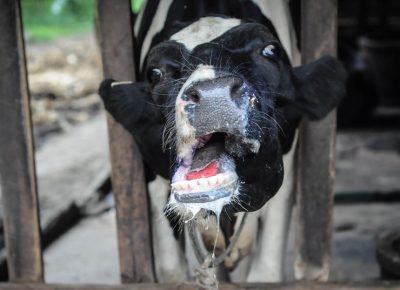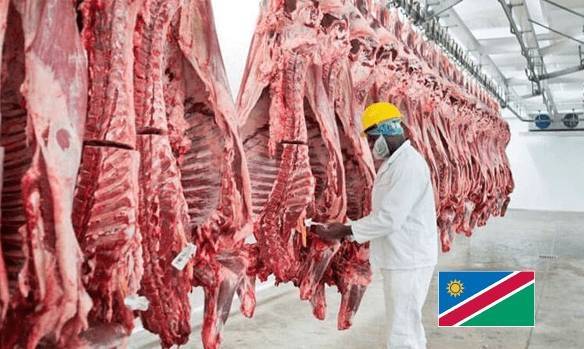
The recent detection of Foot-and-Mouth Disease (FMD) in Namibia has prompted the Directorate of Veterinary Services (DVS) to enforce strict emergency biosecurity measures aimed at preventing the spread of the highly contagious viral disease and safeguarding the country’s vital meat export industry.
FMD affects cloven-hoofed animals, including cattle, sheep, goats, pigs and several wild game species. In response, authorities have tightened regulations governing the movement of livestock and animal products across the country.
Traditional dairy products remain a particular concern. Raw, unpasteurised milk and traditionally fermented sour milk products such as omaere are subject to movement restrictions because the virus can survive in untreated milk. Transporting these products across veterinary control checkpoints, particularly from north to south across the Veterinary Cordon Fence (VCF), commonly known as the Red Line, or out of active containment zones, is strictly prohibited. Any homemade dairy products discovered at checkpoints will be confiscated and destroyed.
Commercially processed dairy products, however, are exempt from these restrictions. Pasteurised milk, commercially produced omaere and butter may be moved and traded freely nationwide, as the pasteurisation process effectively destroys the FMD virus.
The regulations also govern the movement of meat and meat products. Raw beef, lamb, goat, pork and game meat may not be transported from the northern communal areas across the VCF into the southern FMD-free zone. Meat originating from local butcheries, abattoirs, slaughter facilities or cold-storage operations within the affected //Kharas region is also subject to strict controls while investigations continue.
Commercially cooked meat, as well as biltong and droëwors produced at registered facilities, may be transported throughout the country. Farmers and individuals transporting meat for personal use are advised to ensure it is thoroughly cooked and free of blood before travel. This practice has long been applied at disease-control checkpoints such as Oshivelo and Werda.
Animals slaughtered for household consumption may be consumed on the property where they are slaughtered, but meat may not be sold commercially. Donkey and horse meat, as well as poultry, eggs and fish, are not affected by FMD-specific restrictions.
Authorities have also warned against importing raw meat and animal products from high-risk neighbouring countries without the required veterinary permits and health certificates. Compliance with all FMD measures remains essential to protecting Namibia’s livestock industry and maintaining access to international export markets.
By Rudi Bowe