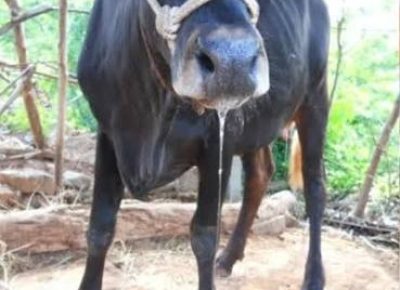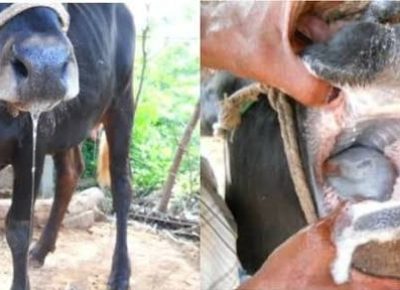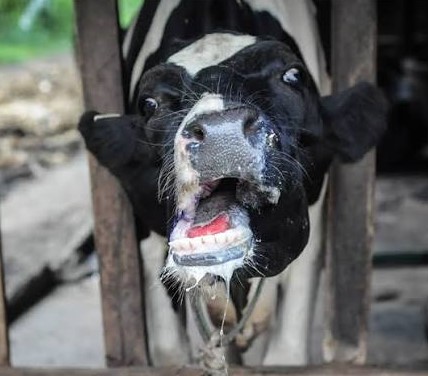
Namibia’s livestock industry is facing a major threat after 17 animals tested positive for Foot-and-Mouth Disease (FMD) in the Karasburg State Veterinary District, prompting intensified surveillance and nationwide restrictions on the movement of cloven-hooved animals and their raw products.
Acting Minister of Agriculture, Fisheries, Water and Land Reform, Dr Charles Mubita, confirmed the latest figures on Saturday, saying all positive cases detected so far remain confined to the Karasburg State Veterinary District in the //Kharas Region. The outbreak was first detected on 22 September, when laboratory testing identified FMD in 10 of 11 samples taken from a herd of 65 cattle on an affected farm.
Following confirmation, Government activated the national FMD Contingency Plan under the Animal Health Act 1 of 2011, triggering stringent movement controls while authorities work to establish the full extent of the outbreak.
The scale of the surveillance operation has since increased dramatically. Between 22 and 25 September, 199 samples were collected from several regions. These included 117 samples from Karasburg, 50 from Gobabis, 30 from Otjiwarongo, and one each from Windhoek and Ondangwa. All 17 positive results were from the Karasburg State Veterinary District.
Authorities were also forced to investigate a potential link to the Otjozondjupa Region after traceability records showed that four cattle had moved from the infected farm to the region.
Thirty animals were subsequently tested on 24 September, including the four traced cattle and 26 additional animals tested as a precaution which were all tested negative.
Despite the negative results, authorities remain on high alert. The 65 cattle on the infected farm, together with livestock on surrounding farms, remain under strict monitoring.Mubita warned that FMD is not simply an animal-health issue but a potential economic crisis for the country.
The disease is classified as a notifiable and state-controlled disease and can disrupt livestock marketing, food security, household incomes and rural livelihoods.
“The analysis of data from the traceability system collected from the farm of origin to the surrounding areas is partially completed, as the 14-day incubation period is still ongoing,” Mubita said.
Veterinary officials from across the country, including both public and private-sector practitioners, have been mobilised to conduct further clinical examinations, trace animal movements and collect samples.
The outcome of this intensified surveillance will determine where and when restrictions can be gradually eased.
Government has also established an FMD Support Fund, appealing to businesses, the public and development partners to contribute towards the national containment effort. Mubita stressed that the disease “sees no boundaries” and called on Namibians to cooperate fully with veterinary authorities.
By Rudi Bowe