The Ministry of Agriculture, Fisheries, Water and Land Reform (MAFWLR) has moved to reassure the public that the ongoing outbreak of Foot and Mouth Disease (FMD) in livestock is not related to Hand, Foot and Mouth Disease (HFMD) in humans.
In a statement issued on Thursday, the ministry said confusion had arisen due to the similar names of the two diseases. Officials emphasized that FMD and HFMD are caused by different viruses and are entirely separate illnesses. The ministry further stressed that the current livestock outbreak in Namibia does not pose a risk of causing HFMD in people.
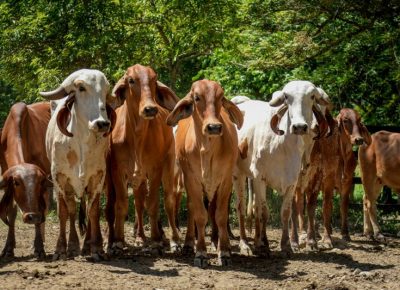
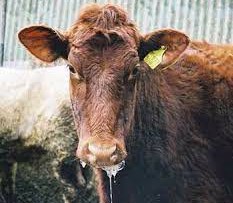
According to the ministry, FMD is a highly contagious viral disease affecting cloven-hoofed animals such as cattle, sheep, goats, pigs, and certain wildlife species. Symptoms include fever, loss of appetite, excessive salivation, mouth lesions, and hoof infections that can lead to lameness and reduced productivity. The disease spreads rapidly through direct contact between animals, infected secretions, and contaminated equipment, vehicles, clothing, and footwear. Authorities warned that the outbreak poses a significant threat to Namibia’s livestock sector, farmers’ livelihoods, animal health status, and international livestock trade.
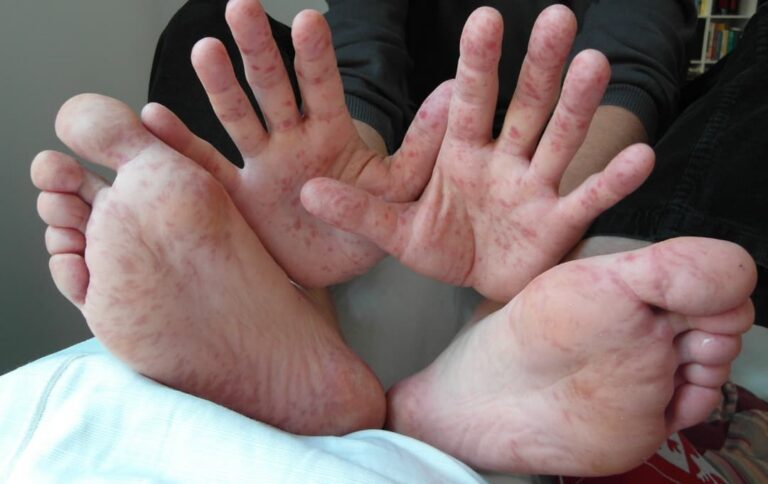
By contrast, HFMD is a human viral illness that mainly affects infants and young children, although older children and adults can also be infected. The disease is characterised by fever, sore throat, painful mouth sores, and a rash or blisters on the hands and feet. It spreads through contact with infected bodily fluids, respiratory secretions, faeces, and contaminated surfaces.
The ministry urged the public to avoid misinformation and to rely on verified information from official sources. Livestock owners, traders, and transporters were also reminded to comply with movement restrictions and report any suspected FMD cases to their nearest State Veterinary Office.
Authorities said efforts to contain the livestock outbreak continue through surveillance, laboratory investigations, livestock movement controls, biosecurity measures, and tracing of potentially exposed animals.
By Rudi Bowe