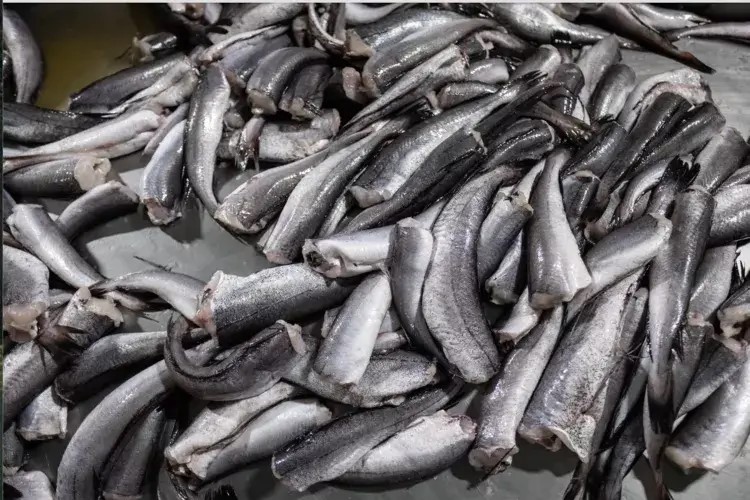
Namibia’s fishing industry is bracing for a challenging season after Cabinet approved a significant reduction in the Total Allowable Catch (TAC) for hake, cutting the quota by 12.8% for the 2026/27 fishing season in a move aimed at protecting the country’s most valuable fish resource.
The new TAC has been set at 116 000 metric tonnes, down from 133 000 tonnes allocated during the 2025/26 season. The decision, announced by Minister of Information and Communication Technology Emma Theofelus following Cabinet meetings held in October, represents a reduction of 17,000 tonnes and continues a downward trend in hake catch limits over recent years. The quota reduction reflects government’s increasing reliance on scientific assessments to guide fisheries management and ensure the long-term sustainability of Namibia’s hake stocks. Hake remains the backbone of the country’s fishing sector, generating significant export earnings and supporting thousands of jobs in harvesting, processing and related industries, particularly in Walvis Bay and Lüderitz.
While environmental groups and conservation advocates are expected to welcome the move, the lower catch limit is likely to raise concerns among fishing companies and processing plants that depend on higher volumes to sustain operations and employment levels. Industry players may now face increased pressure to maintain profitability amid declining allocations and rising operational costs. The latest decision follows previous reductions, with the hake TAC having already been lowered from 140 000 metric tonnes in the 2024/25 season to 133 000 tonnes in 2025/26. The cumulative decline underscores government’s commitment to balancing economic interests with responsible resource management. In a related decision, Cabinet approved a TAC of 180 metric tonnes for rock lobster for the 2026/27 season, maintaining strict controls over another commercially important marine resource.

As the fishing sector adjusts to tighter quotas, attention will now turn to how the Ministry of Fisheries and Marine Resources allocates the available catch among rights holders and how companies adapt to a new reality shaped increasingly by sustainability considerations.
By Rudi Bowe