The newly appointed Board of Trustees of the Namibian Maritime and Fisheries Institute (NAMFI) has been challenged to strengthen corporate governance, modernise training programmes and ensure the institution produces skilled graduates capable of supporting the growth of Namibia’s blue economy.
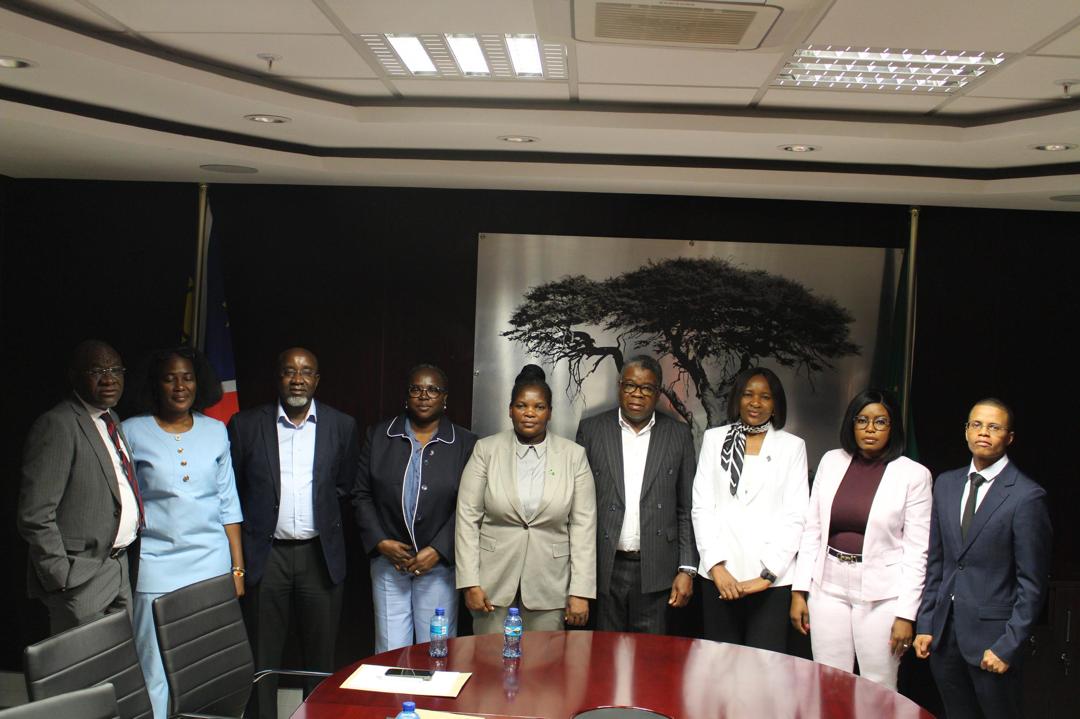
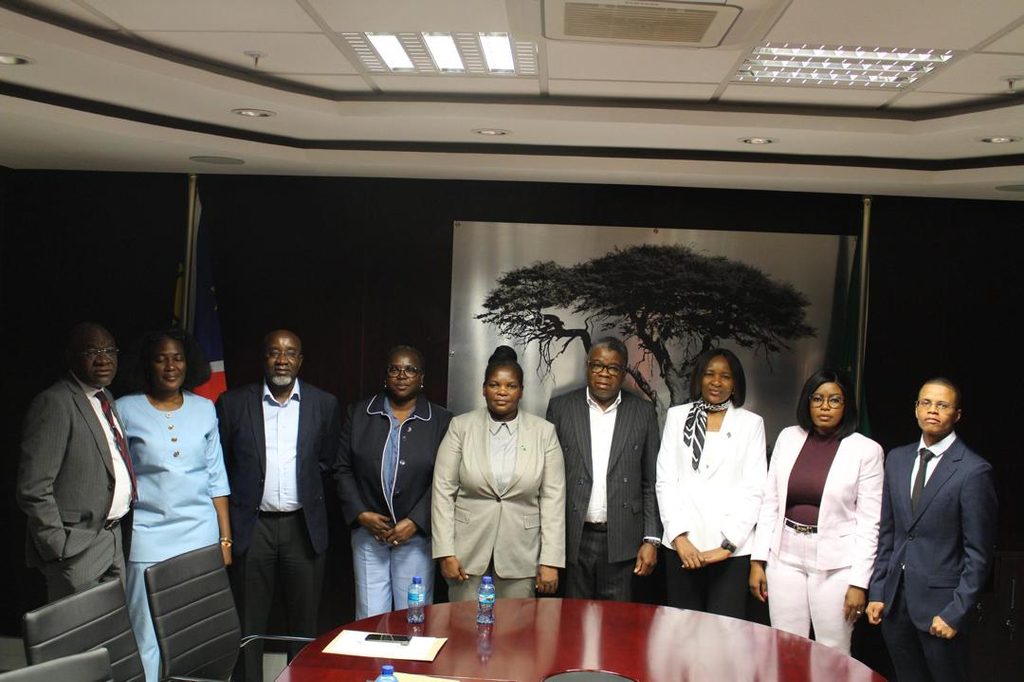
Deputy Minister of Agriculture, Fisheries, Water and Land Reform, Ruthy Masake, officially inaugurated the new board, calling on its members to provide strategic leadership, accountability and effective oversight during their three-year term. The newly appointed trustees are Erich Maletzky, Cynthia Riruako, Dr Michael Akuupa, Chris Fikunawa, Dalia Sheehamandje-Mwiya and Leena N. Kadhila. Congratulating the members on their appointments, Masake emphasised the importance of NAMFI in developing specialised skills for Namibia’s maritime and fisheries industries. She said these sectors remain important contributors to employment creation, food security, exports and economic growth, making investment in skills development a national priority.
According to Masake, the maritime and fisheries industries are becoming increasingly technology-driven, requiring a skilled, adaptable and competitive workforce capable of meeting changing industry demands and international standards. She outlined five key priorities for the new board: strengthening corporate governance and accountability, modernising training programmes to meet industry requirements, enhancing institutional capacity and sustainability, building stronger stakeholder partnerships, and promoting youth development and inclusivity. Masake also called for closer collaboration between NAMFI, government institutions, industry players and training partners to ensure graduates leave the institution with relevant knowledge, practical experience and professional competencies.
She stressed that investment in training infrastructure, equipment, training vessels and qualified instructors would be essential to expanding access to quality maritime and fisheries education. The deputy minister further highlighted the importance of creating more opportunities for young people and underrepresented groups to enter the sector.

She said NAMFI’s success should not be measured by enrolment figures alone, but also by the quality of training, certification rates and the ability of graduates to secure employment. Masake reaffirmed government’s commitment to supporting the institute, urging the new board and management to work together to strengthen NAMFI’s institutional performance and contribution to national development.
The new board’s three-year term comes at an important time for Namibia as the country seeks to maximise the economic potential of its maritime and fisheries resources through skills development, improved training and a competitive blue economy.
By Rudi Bowe