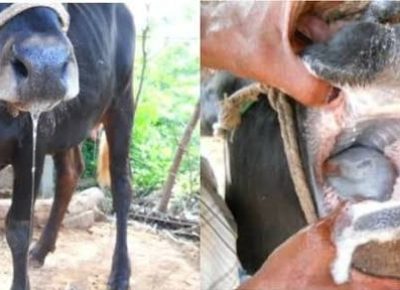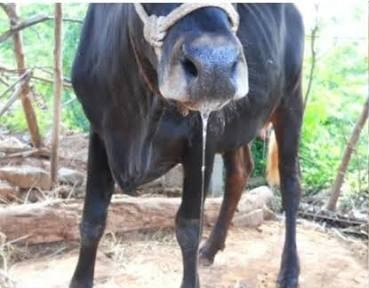
Namibia’s livestock industry faces a fresh challenge after veterinary authorities confirmed an outbreak of Foot and Mouth Disease (FMD) in the Karasburg area of the //Karas Region.
The discovery, made during routine surveillance on 22 September, revealed 63 cattle showing clinical signs. Laboratory testing later confirmed 10 of 11 samples as positive for the FMD virus. FMD is one of the most feared animal diseases worldwide. It spreads rapidly among cloven-hoofed animals such as cattle, sheep, goats, pigs, and wildlife.
Though not transmissible to humans, its impact on agriculture is devastating: painful mouth and hoof lesions reduce mobility, cause weight loss, and sharply cut milk production. For Namibia, where beef exports are a cornerstone of the economy, outbreaks threaten both livelihoods and international trade.
The Ministry of Agriculture, Fisheries, Water and Land Reform has activated the National FMD Contingency Plan under the Animal Health Act of 2011.
Measures include: Suspension of movement, marketing, and trade of cloven-hoofed animals nationwide:
Ban on imports, exports, and transit of live animals and raw products.
Halt to slaughtering at abattoirs, informal markets, and social gatherings.
Roadblocks at strategic points to enforce movement control.
Intensified surveillance to assess the spread of the virus.
Chief Veterinary Officer Dr Kenneth Kennedy Shoombe urged farmers and the public to cooperate fully, stressing that illegal importation or use of FMD vaccines in the FMD-free zone is punishable by law.
Namibia has battled FMD before. Outbreaks in the Northern Communal Areas in 2015 and 2021 led to prolonged restrictions, costing farmers millions in lost income and disrupting beef exports to key markets in Europe and Asia.
The country’s strict veterinary cordon fence, separating the northern and southern zones, has long been a critical line of defense. The detection in //Karas, south of the fence, is particularly alarming, as this region is traditionally considered FMD-free.
Livestock farming is not only an economic pillar but also a way of life for rural communities. Movement bans mean farmers cannot sell animals, attend auctions, or host traditional feasts involving cattle slaughter.
Export partners will be watching closely, as Namibia’s reputation for disease-free beef underpins its premium status in global markets.
Authorities are racing to contain the outbreak before it spreads further. Surveillance teams are deployed, and farmers are urged to report any suspicious symptoms immediately.
The Ministry emphasised that swift action and community cooperation are essential to protect Namibia’s livestock industry
By Rudi Bowe