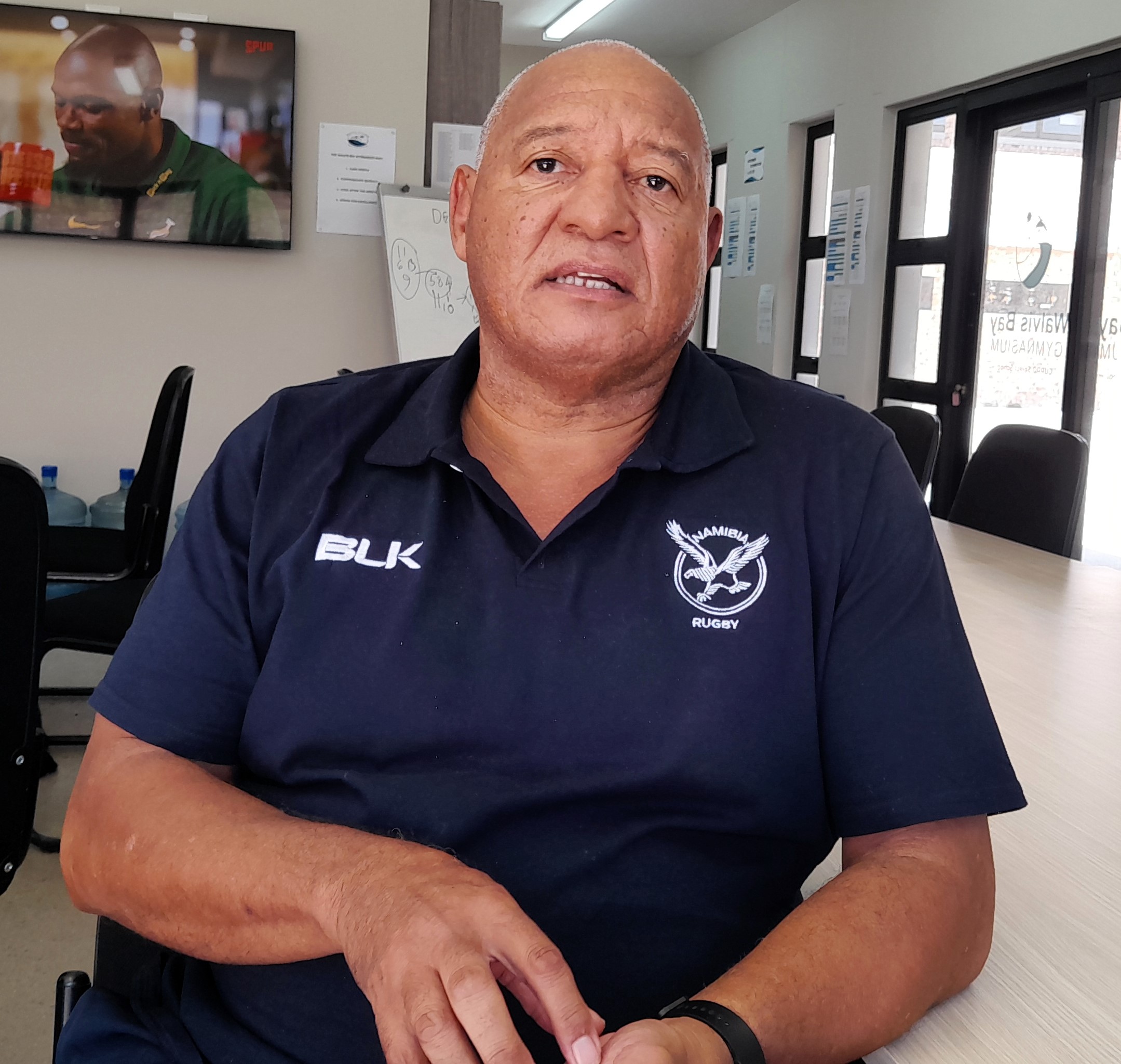
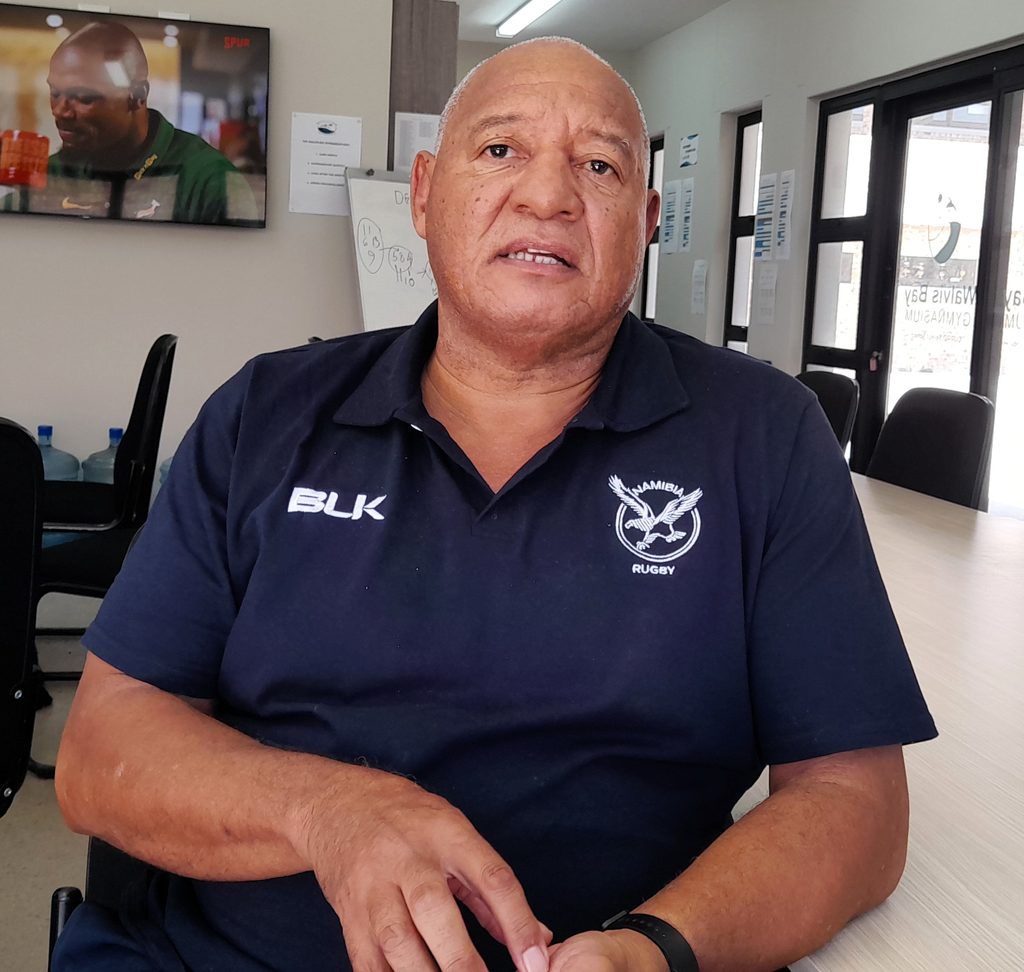
Namibia national rugby coach Jerome Paarwater has expressed confidence in the future of Namibian rugby, highlighting the emergence of local talent, the commitment of the Namibia Rugby Union to grassroots development, and the importance of creating opportunities for young players across the country.
Speaking to the namib times during a visit to Walvis Bay, Paarwater reflected on his first assignment as national coach, which included matches against Zambia, the Blue Bulls and Zimbabwe. Despite fielding a youthful and largely inexperienced squad made up of locally based players, he believes the performances revealed significant potential within Namibia’s rugby structures.
“We used a lot of young players and several uncapped players,” Paarwater said. “Although the results did not always go our way, the experience gained was invaluable. In the second half against Zimbabwe, the team showed real character and proved that they could compete at that level.”
The coach noted that Namibia’s set-pieces, scrums, line-outs and attacking play were encouraging signs, particularly considering the number of debutants involved. He believes the performances demonstrated that local players can form a strong foundation for the national side moving forward. Looking ahead, Paarwater said qualification for the next Rugby World Cup remains a key objective, but cautioned that competition across Africa is becoming increasingly fierce.
“Every nation is working hard to improve, but Namibia has also started early,” he explained. “We’ve already played several matches this year and continue to build momentum. The union is focusing not only on the national team but also on schools and clubs, which is critical for the long-term future of the game.”
He added that rebuilding rugby structures at grassroots level would strengthen the country’s player pipeline and improve competitiveness on the international stage. Paarwater also responded to criticism surrounding the composition of the national squad, particularly suggestions that too many players were selected from one club.
He dismissed those claims, explaining that opportunities had been made available to players from across the country through assessment camps and talent identification programmes. “We travelled to different regions to look at players because I wanted to see as much talent as possible,” he said.

“The opportunities were there, but players also need to make themselves available for national duty.” The coach stressed that selection decisions are based on player availability, commitment and performance rather than club affiliation.
“I want to stop the negativity around this issue,” Paarwater said. “Rugby must continue to move forward. If players choose not to participate, there is very little the union can do.” Paarwater praised rugby development at both school and club level, saying the quality of facilities and competitiveness of local competitions are positive indicators for the future.
He pointed to strong performances in club rugby tournaments and growing enthusiasm among young players as evidence that Namibia remains on the right path. “The schools are doing good work and club rugby is becoming highly competitive,” he said. “There are great facilities and a lot of potential. The foundations are there for future growth.”
Closing his remarks, Paarwater urged young rugby players to pursue opportunities without being discouraged by outside influences. He revealed that one of his priorities as coach has been giving young, locally based players a genuine pathway to the national team. “For the first time in a long while, there is a strong focus on locally based players,” he said. “If you’re good enough, you’re old enough.
Young players must believe in themselves, make themselves available and take every opportunity that comes their way.” With the Namibia Rugby Union investing in schools, clubs and national structures, Paarwater believes the country is laying the groundwork for sustained success and a stronger future for Namibian rugby.
“Rugby is not about politics. It’s about enjoying the game, developing players and creating opportunities for the next generation,” he concluded.
By Rudi Bowe