The Namibia Chamber of Environment (NCE) has thrown its support behind the Sandpiper phosphate mining project, saying extensive scientific studies indicate that the proposed offshore operation would have limited environmental impacts and little conflict with Namibia’s fishing industry.
NCE Chief Executive Officer Chris Brown told Future Media News that the project could create jobs, generate income and enable Namibia to benefit from its strategic phosphate resources amid rising global fertiliser prices and supply disruptions.
Brown’s comments follow the Environmental Commissioner’s decision to issue Namibia Marine Phosphate with an environmental clearance certificate on 6 August, valid until 2029. The decision has sparked concern among environmental and fishing industry stakeholders. Brown said Namibia’s phosphate deposits differ from those in New Zealand, where phosphate occurs in rocky formations.
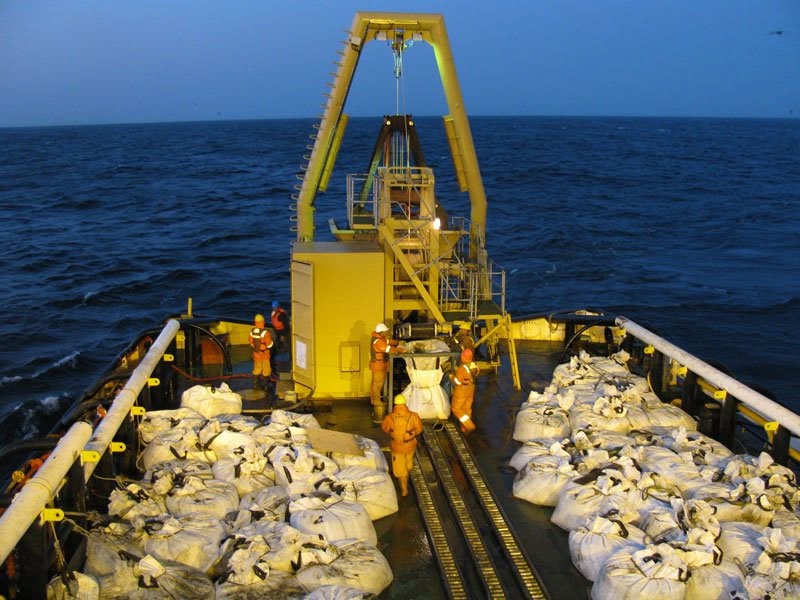
In Namibia, the deposits are contained in sand particles, meaning extraction would involve dredging rather than conventional excavation associated with land-based mining. He described the project as one of the most extensively studied environmental impact assessments undertaken in Namibia, saying specialists and independent reviewers had examined concerns raised by the public, fishing sector and other stakeholders.
“Every single study by a specialist has shown that this is a safe project for Namibia. This is a good project for Namibia and we support it because it has very little impact on the marine ecosystem,” Brown said. He added that the project was expected to have minimal conflict with the fishing sector while creating employment and generating income for the country.
Brown also pointed to Namibia’s diamond-mining sector as evidence that seabed ecosystems can recover following dredging. He said monitoring conducted by the diamond industry over more than a decade indicates that areas disturbed by dredging can recover within six to 10 years.
According to Brown, marine organisms eventually return to the disturbed areas, with the seabed becoming difficult to distinguish from adjacent undisturbed sections. “After 10 years where you dredged will be back to normal,” he said.
Despite supporting the project, Brown said phosphate mining should be subjected to independent monitoring and multi-sector oversight, with environmental findings made public to ensure transparency and accountability.
He also noted that the three-year validity of the environmental clearance certificate gives the government an opportunity to reassess the project’s environmental performance before deciding whether to renew the approval.
The NCE’s position adds another voice to the growing debate over Namibia’s offshore phosphate resources, as authorities, environmental stakeholders and the fishing industry weigh the potential economic benefits against concerns about marine ecosystems and fisheries.
By Rudi Bowe