Namibia’s fisheries sector is facing renewed scrutiny over corruption vulnerabilities, with government, the Anti-Corruption Commission and regional leadership calling for stronger governance, transparency and accountability to protect the country’s marine resources.
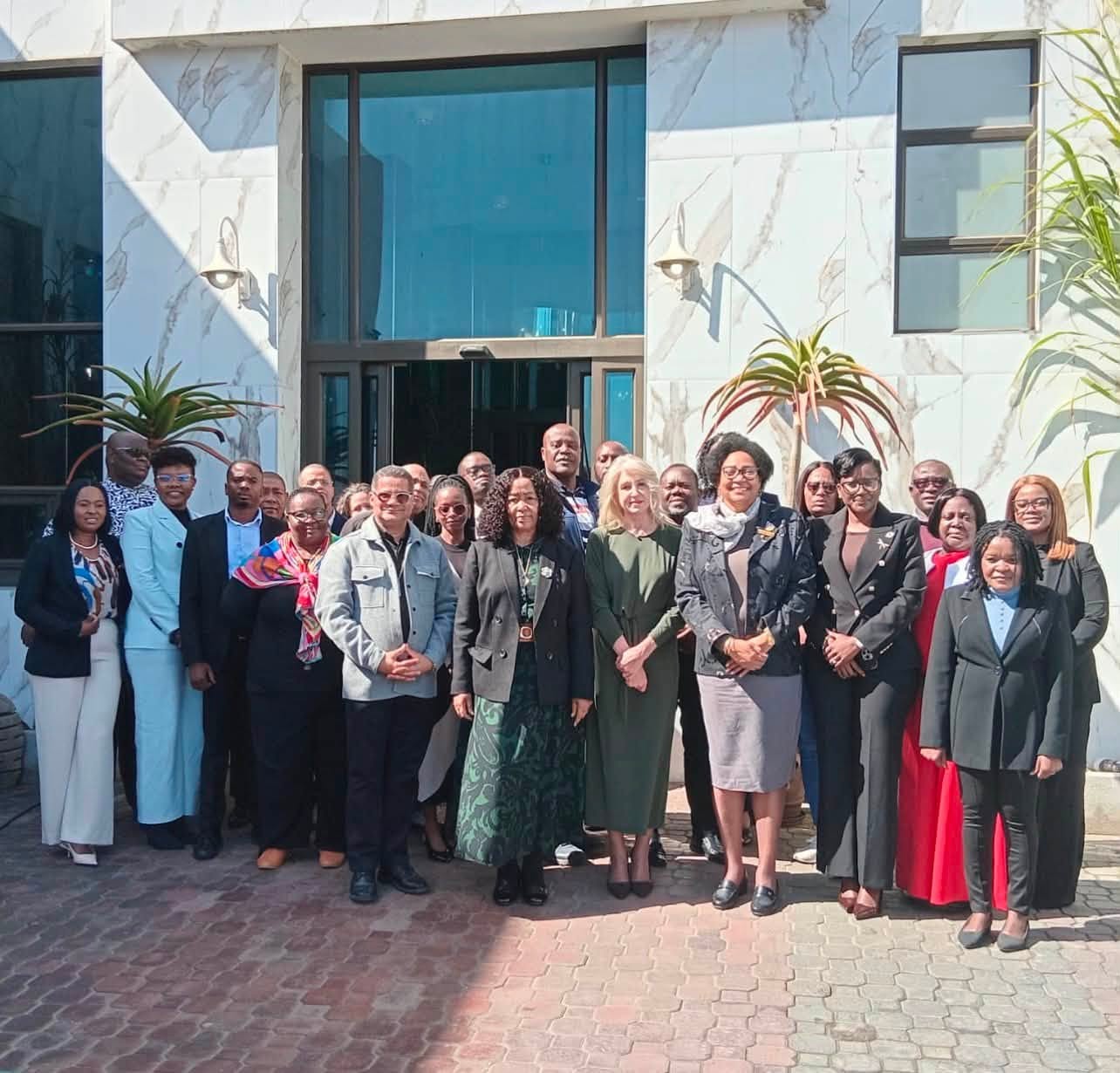
The Anti-Corruption Commission (ACC) hosted a five-day Corruption Risk Assessment (CRA) Training Workshop for the Fisheries Sector of the Ministry of Agriculture, Fisheries, Water and Land Reform at the Atlantic Hotel in Walvis Bay. The workshop, supported by the United Nations Development Programme (UNDP), brought together key stakeholders to examine vulnerabilities within fisheries management systems and develop practical measures to prevent corruption.
Fisheries and Marine Resources Minister Inge Zaamwani, who delivered the keynote address, called for greater collaboration among stakeholders to strengthen governance frameworks and close corruption loopholes. Zaamwani warned that corruption can distort fair competition, undermine investor confidence, deprive the state of revenue and erode public confidence in institutions. She stressed that prevention remains the most effective approach, as identifying and addressing vulnerabilities before corruption or mismanagement occurs is less costly than responding after the damage has been done. “Continuous assessment of systems, early identification of vulnerabilities, and the implementation of safeguards are essential,” Zaamwani said. She said the assessment would strengthen transparency, accountability and internal controls within fisheries management systems. Erongo Governor Dr Nathalia /Goagoses also called for stronger governance and firm accountability, describing Namibia’s fisheries resources as a national asset and a public trust that must be protected for current and future generations. She said effective systems must be in place to identify vulnerabilities, close governance gaps and prevent corruption before it takes root. /Goagoses reaffirmed the Erongo Region’s commitment to working with the ACC, the ministry and other stakeholders to promote integrity and responsible management of the fisheries sector. She emphasised that protecting Namibia’s marine resources requires collective responsibility, effective oversight and transparent management systems.
ACC Deputy Director-General Advocate Erna van der Merwe warned that the fisheries sector remains particularly vulnerable to corruption because of declining fish stocks, complex financial transactions and the involvement of multiple jurisdictions and public and private actors. She identified the significant administrative discretion involved in fishing licences and quota allocations as a potential corruption risk, particularly where transparency and oversight mechanisms are weak.
Van der Merwe described fisheries as one of Namibia’s most important national assets, contributing to economic growth, employment, food security and foreign exchange earnings. She warned that corruption vulnerabilities could have far-reaching consequences, including losses in state revenue, distorted competition, reduced investor confidence and declining public trust. Over the past five days, participants assessed policies and procedures, decision-making processes, documentation systems, conflict-of-interest controls, stakeholder interactions and accountability mechanisms within fisheries management.

The training was intended to equip participants with practical skills to identify, assess and mitigate corruption risks while strengthening prevention mechanisms across the sector. According to the ACC the exercise was part of its broader commitment to working with public institutions and development partners to promote a culture of integrity, accountability and transparency, with a zero-tolerance approach to corruption. The UNDP’s support through the workshop was also acknowledged as an important contribution towards strengthening corruption prevention and institutional integrity in Namibia.
With fisheries remaining a major contributor to Namibia’s economy, the assessment, expected to provide a foundation for stronger controls and more accountable management of the country’s marine resources.
By Rudi Bowe