The Government has partially lifted restrictions imposed after the outbreak of Foot-and-Mouth Disease (FMD) in the //Kharas Region, following preliminary tracing and testing which found no evidence that the disease has spread beyond the affected area, but //Kharas remains under tight controls.
The Ministry of Agriculture, Fisheries, Water and Land Reform, through the Directorate of Veterinary Services (DVS), announced the changes in Veterinary Public Notification No. 16 of 2026.
Chief Veterinary Officer Dr Kenneth Shoombe confirmed that livestock which had moved from the infected farm to the Otjozondjupa Region before the outbreak was detected had been traced and tested negative for FMD. The herd has subsequently been cleared.
According to the ministry, information from Namibia’s livestock traceability system, together with ongoing livestock inspections, indicates that the outbreak remains localised to //Kharas. The development provides some relief to livestock producers and the wider agricultural sector, particularly after fears that the outbreak could threaten Namibia’s internationally important disease-control status.
DVS said there is currently no evidence of transmission north of the Veterinary Cordon Fence, including Kunene, Ohangwena, Omusati, Oshana, Oshikoto, Kavango East, Kavango West and Zambezi.
As a result, restrictions on the movement of cloven-hoofed animals and their products in areas north of the Veterinary Cordon Fence have been lifted with immediate effect.
However, raw animal products remain subject to restrictions, and the relaxation does not amount to a blanket return to normal movement.
South of the Veterinary Cordon Fence, excluding //Kharas, certain restrictions have also been eased. Raw meat stored at registered abattoirs, butcheries and cold-storage facilities may be transported if its origin can be verified. Meat bought from retailers and butcheries may also be moved if proof of purchase is provided.
The movement of baled grass, lucerne, straw, forage, hay, silage and crop residue is permitted, except from //Kharas. Controlled slaughtering is also permitted outside //Kharas, subject to veterinary inspection, traceability requirements, isolation periods and negative FMD test results.
Home slaughter for personal consumption is allowed, but the meat may not leave the premises. Commercial slaughter at farms or homesteads remains prohibited.
Meanwhile, cooked processed meat, pasteurised milk and dairy products, as well as hides processed up to wet-blue, may be traded countrywide.
Despite the easing of restrictions, DVS is urging farmers and the public not to let their guard down.
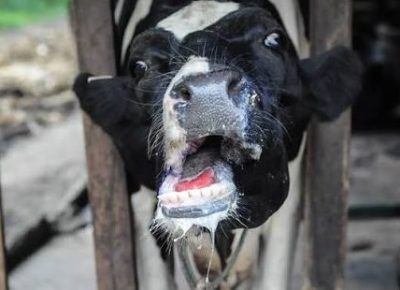
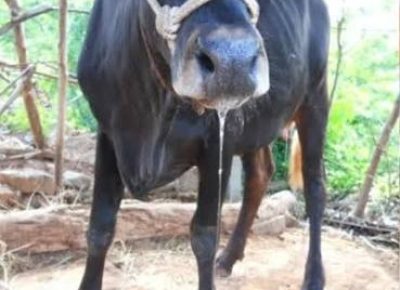
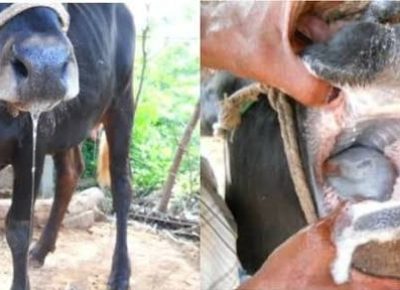
Symptoms to watch for include sores or blisters around the mouth and hooves, excessive salivation, reluctance to move and loss of body condition. The ministry said surveillance will continue and further changes will depend on developments in Namibia’s FMD status. “The public will be kept informed as new information becomes available,” Shoombe said.
By Rudi Bowe