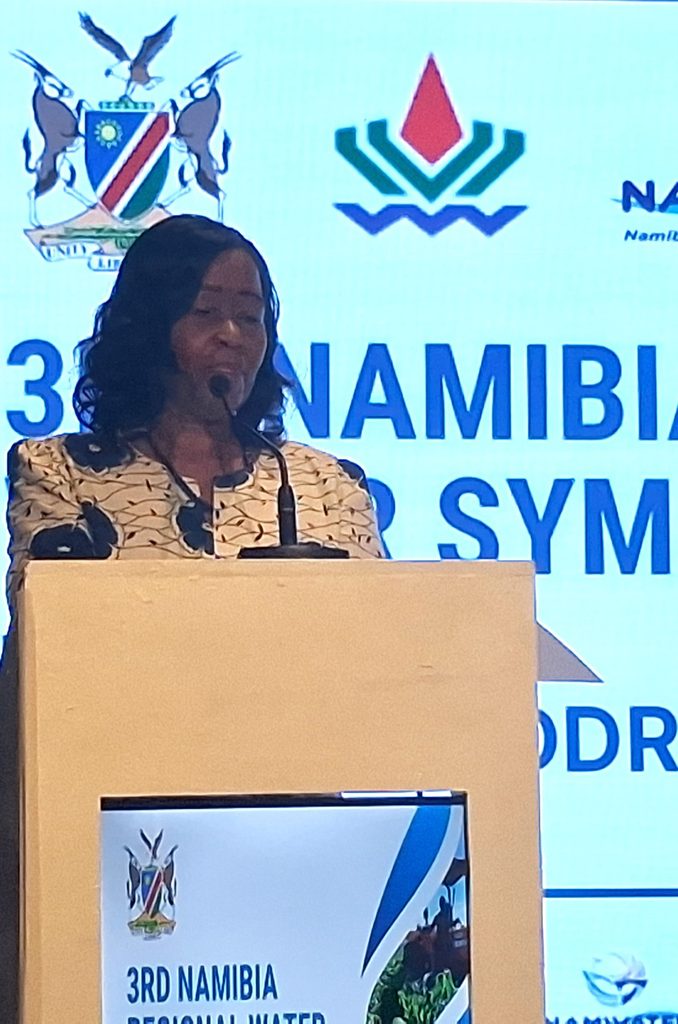
Namibia has made progress in expanding access to safe drinking water. However, sanitation remains a significant national challenge, with more than a third of the population still lacking basic sanitation services.
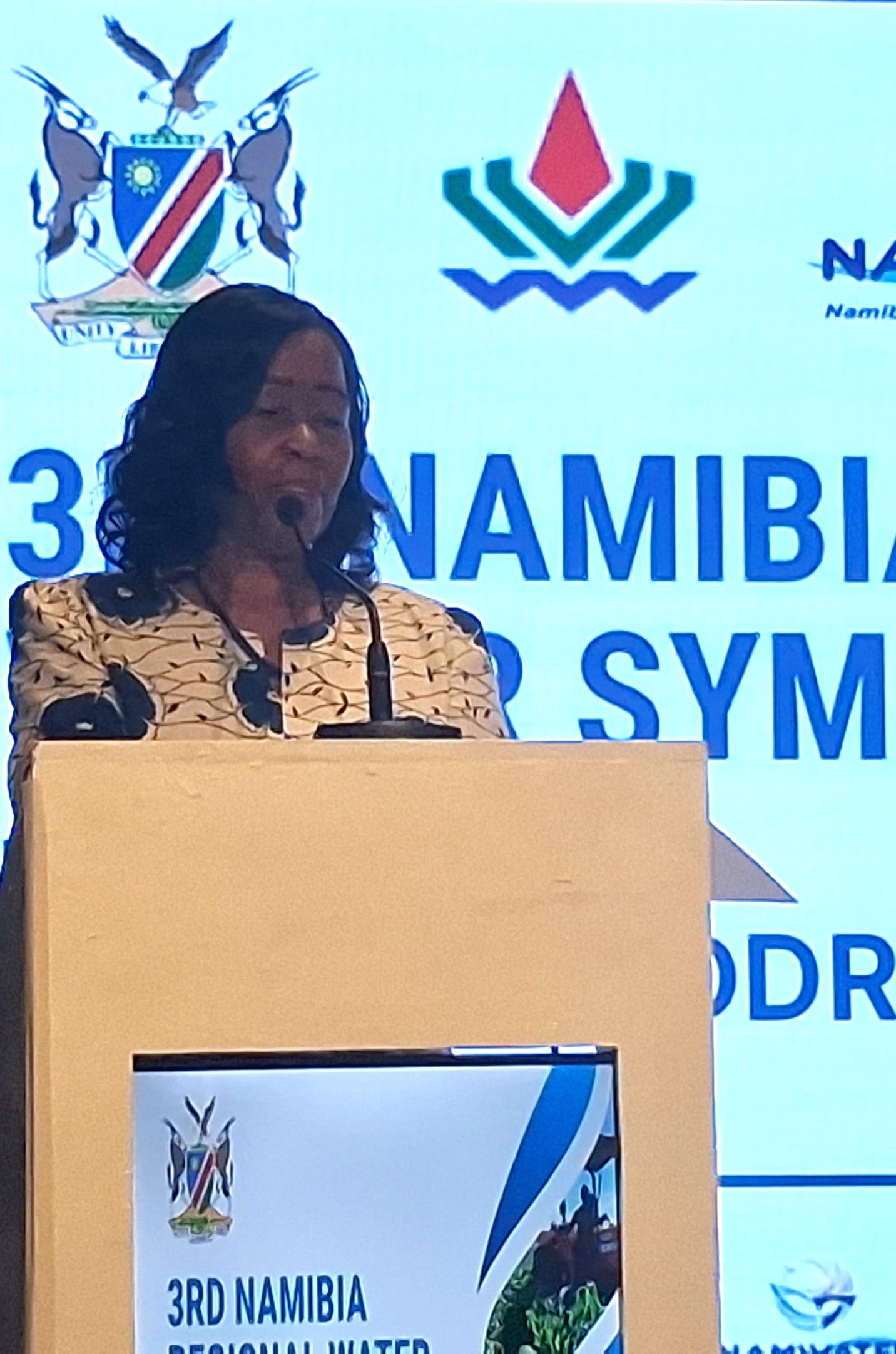
This was highlighted by Minister of Agriculture, Fisheries, Water and Land Reform, Inge Zaamwani, during the official opening of the Third Namibia Regional Water Symposium in Swakopmund this week. Zaamwani said the 2023 Population and Housing Census recorded that 91.4% of households nationally had access to safe drinking water. Urban access stood at 98%, compared to 83.5% in rural areas. However, she cautioned that improved access figures do not necessarily mean that households receive reliable water services. “A household counted as having access can still experience interruptions, long queues or a failing pump,” she said.
The Minister said sanitation remains an even greater concern, with the Ministry reporting that access to basic sanitation stood at 36.2% during the last financial year, while open defecation was recorded at 39.4%. She stressed that inadequate sanitation particularly affects women and girls, older persons and people with disabilities, compromising their safety, health and dignity.
Zaamwani emphasised that Namibia cannot achieve Sustainable Development Goal 6, which seeks universal access to safe and affordable drinking water and adequate sanitation by 2030, by focusing on drinking water coverage alone. She called for investment plans to address underserved communities, repair failing infrastructure and reduce the sanitation backlog. Zaamwani also reported that the Ministry drilled 94 boreholes, rehabilitated 51 boreholes, improved 137 water supply points and constructed 55 short pipelines during the last financial year. She said the success of water interventions should ultimately be measured by the difference people experience in their daily lives, including reliable water supply, shorter distances to collect water and functioning sanitation facilities.

The Third Namibia Regional Water Symposium is being held under the theme “Ensuring Water Security Through Innovation, Collaboration and Responsible Water Stewardship”. The gathering brings together government representatives, water sector institutions, industry players, researchers and development partners to discuss sustainable solutions to Namibia’s water challenges.
By Sharlien Tjambari