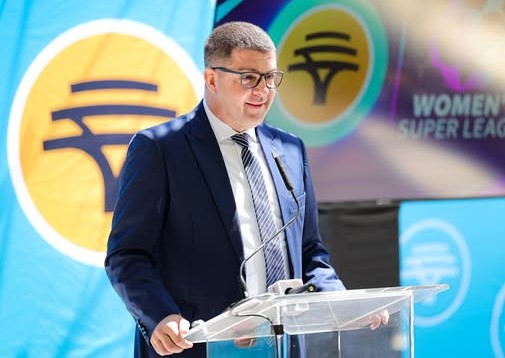
Deputy Minister of Education, Innovation, Youth, Sports, Arts and Culture Dino Ballotti has called for stronger collaboration between government and the private sector to build a sustainable sports economy in Namibia.
Speaking at the launch of the 2026/2027 FNB Women’s Super League season on Tuesday, Ballotti said neither government nor businesses could develop the sports sector independently, stressing that long-term growth depended on shared responsibility and investment.
He said government had a role to play in creating an enabling policy environment, investing in sports facilities and supporting sports federations. However, he emphasised that the sustainability of leagues also depended on private companies recognising the commercial and social value of sport.
“A league only becomes sustainable when businesses see value in it, when people come to the matches, and when clubs can afford to pay their players and coaches,” Ballotti said. He pointed to the partnership between First National Bank (FNB) Namibia and the Namibia Football Association (NFA) as an example of the type of cooperation needed to strengthen women’s football.

Ballotti encouraged more companies to invest in the women’s game and in sports, saying there were opportunities for businesses to contribute to its development while helping clubs and players build a stronger future.
His remarks come as the FNB Women’s Super League prepares for the 2026/2027 season, with FNB committing N$9.38 million over three years to support the competition, alongside an additional N$111,000 to account for inflation.
The league features 12 teams and is scheduled to kick off in Windhoek on 7 November. Ballotti’s message was clear: government support remains important, but a sustainable sports economy requires businesses to invest, supporters to attend matches and clubs to build the financial capacity to retain players and coaches.
By Rudi Bowe