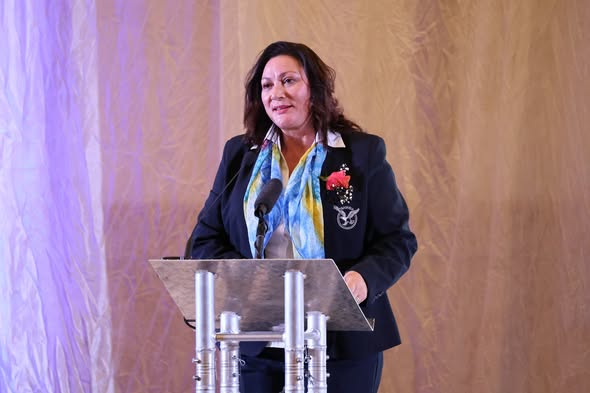
Education, Innovation, Youth, Sport, Arts and Culture Minister Dr Sanet Steenkamp has called for Namibia’s long-delayed revision of the Sports Act No. 12 of 2003 to be brought to a successful conclusion.
Dr Steenkamp questioned how a process that began in 2017 could still be incomplete in 2026, saying Namibia needs a comprehensive legislative framework that reflects the realities of modern sport.
She was speaking at a sports seminar in Windhoek themed “Unlocking Namibia’s Sport Economy”. “How did it happen that in 2026, with a process that started in 2017, we do not have a Sports Act?” Steenkamp asked. She said stakeholders must set aside their differences and participate meaningfully in consultations on the draft legislation. “We cannot sit with three drafts and so many differences between individuals, institutions and federations. We must set the differences aside,” she said.
According to Dr Steenkamp, the revised legislation should protect athletes’ rights, recognise sport as legitimate labour and strengthen governance, ethical leadership and integrity across the sporting sector.
She also highlighted the need to unlock greater private-sector investment in sport, pointing to possible mechanisms such as a national sports levy, athlete development grants, tax incentives, sports venture capital and facility investment grants. “We must operationalise the sports development fund so that it can support the infrastructure and the employment creation that professionalised sports require,” she said.
The Namibia Sports Commission (NSC) has meanwhile opened a formal consultation process, calling on recognised national sport federations, umbrella bodies and sport analysts to submit written proposals and recommendations on the existing Act.

NSC chief administrator Freddy Mwiya said the sporting environment has changed significantly since the 2003 Act came into force, particularly in areas such as athlete welfare, safeguarding, anti-doping, dispute resolution, professional sport, financing, inclusion, technology and institutional accountability.
Stakeholders are being asked to comment on the powers and functions of the NSC, governance of federations, compliance and accountability, funding, commercialisation, sponsorship, broadcasting rights, sport tourism, athlete rights and welfare, safeguarding, gender equality and inclusion.
The NSC has set 15 October 2026 as the deadline for submissions.
The consultation could provide the next step towards resolving the long-running legislative review and developing a framework for Namibia’s evolving sports sector.
By Rudi Bowe