Improving newsroom understanding and communication standards
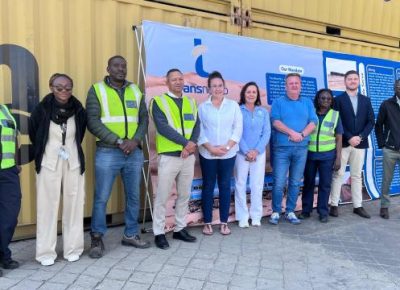
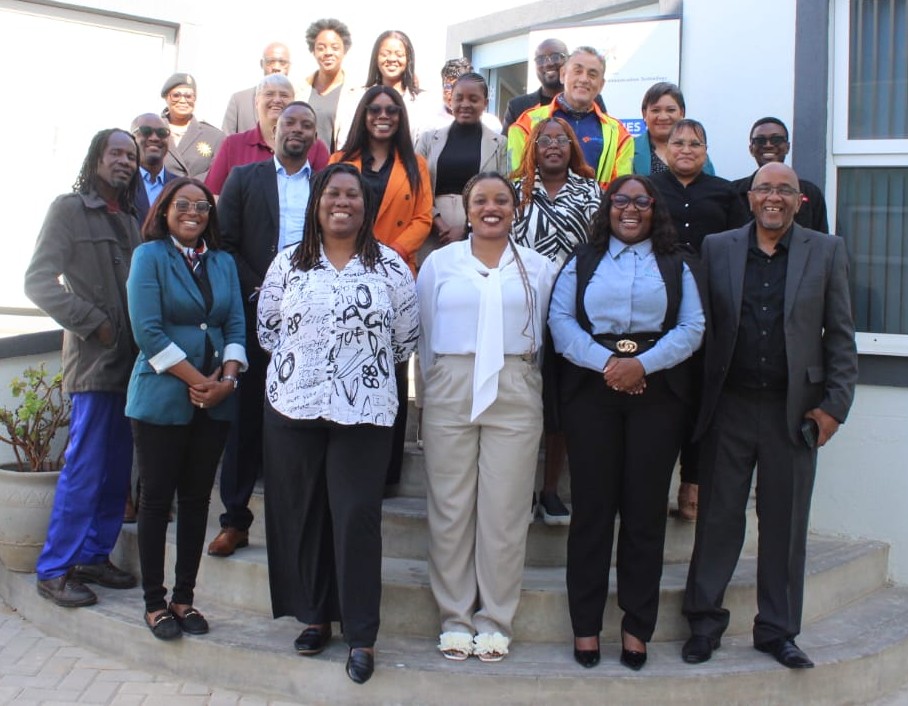
Media practitioners and communication stakeholders from across the Erongo Region gathered in Swakopmund on 10 and 11 February 2026 for the first-ever Erongo Media Stakeholders Engagement Conference aimed at strengthening collaboration, improving mutual understanding, and enhancing the quality of information shared with the public.
The two-day engagement, hosted by the Ministry of Information, Communications, and Technology Regional office under the leadership of the Erongo Regional Council, brought together editors, journalists, broadcasters, and communication practitioners from government, municipalities, state-owned enterprises, and the private sector.
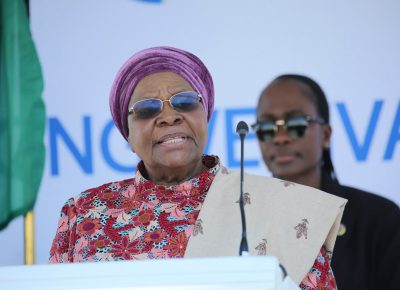
Speaking at the official opening, Erongo Director of Education, Erenfriede Stephanus emphasized the critical role of communication in building strong societies. “Strong societies evolve through strong communication,” Stephanus said, quoting the late Nelson Mandela: “If you speak to a man in a language, it goes to his head. If you speak to him in his language, it goes to his heart.”
Stephanus highlighted the interdependence between media houses and institutions, noting that the media serves as a vital bridge between decision-makers and the communities they serve. At the same time, newsmakers rely on the media to communicate policies, report on development progress, and account transparently for challenges.
However, Stephanus acknowledged that frustrations sometimes arise on both sides. Media houses often contend with late invitations, incomplete press releases, and unclear story briefs, while stakeholders may feel disappointed when coverage is omitted, shortened, or delayed. “These challenges rarely stem from a lack of goodwill. They are often the result of limited mutual understanding of operational realities and technical constraints,” she said.
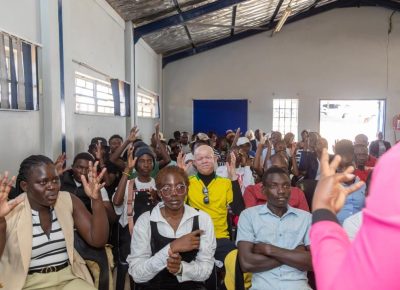
The conference aimed to address those gaps through practical discussions and knowledge-sharing. Over the two days, participants unpacked newsroom operations, including story pitching, editorial decision-making, gatekeeping, and news values.
Sessions also focused on deadlines and cut-off times, as well as what happens between an event and the final publication or broadcast. Technical aspects of broadcast media, including camera work, sound, lighting, and location readiness, were also explored. The programme further addressed professional boundaries and the management of expectations, particularly in sensitive or breaking news situations.
For media practitioners, the conference offered an opportunity to explain newsroom workflows, constraints, and professional standards, while for newsmakers, it provided insight into how information can be packaged to support accurate, timely, and impactful reporting.
Beyond operational matters, the engagement was aimed at building stronger working relationships across the region.
By Sharlien Tjambari