Government has drawn a hard line at the National Fisheries Indaba: the time for talking is over and the time for action has arrived.
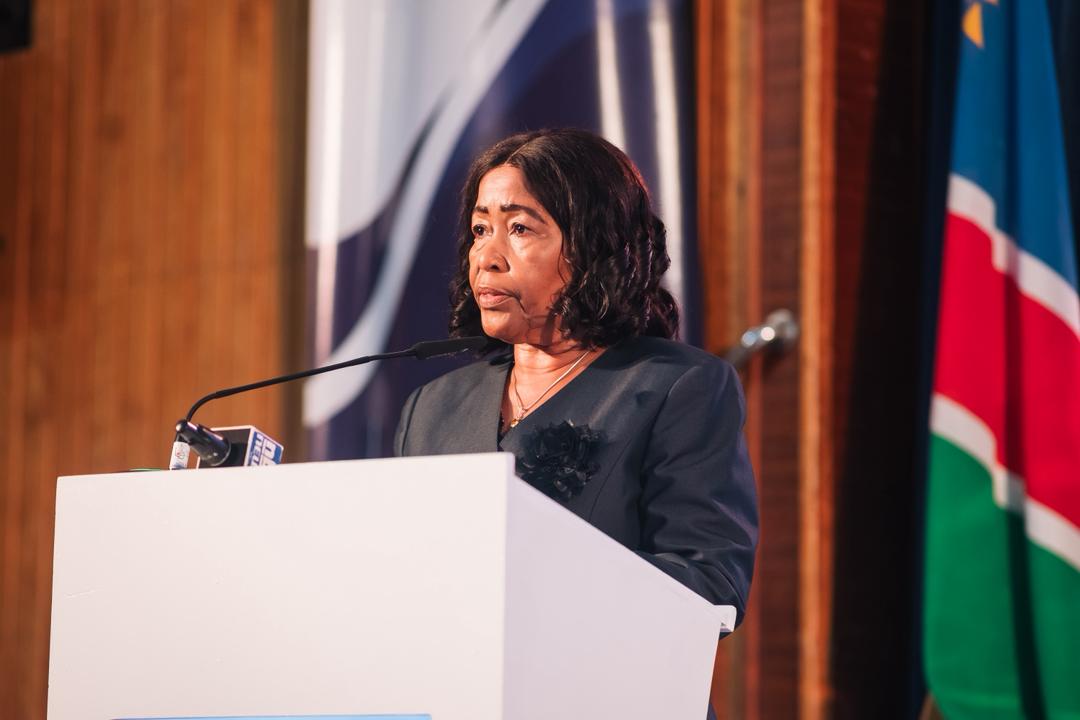
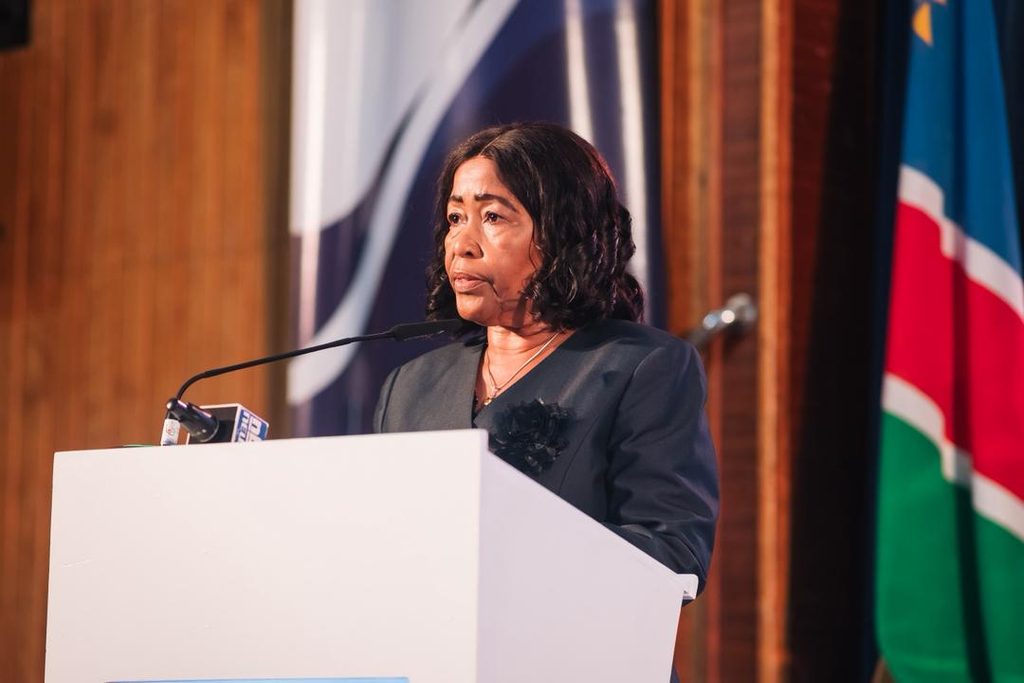
Opening the three-day gathering in Walvis Bay, Minister of Agriculture, Fisheries, Water and Land Reform Inge Zaamwani challenged government, fishing companies, workers, communities, scientists and other stakeholders to move beyond repeated discussions and confront the structural challenges facing Namibia’s fisheries sector.
Zaamwani demands action, accountability and reform as Namibia confronts the future of its marine resources. “This Indaba is not intended to be another talking platform,” Zaamwani said, pointing to extensive discussions held in April and the work undertaken since then by a dedicated Task Force to develop possible solutions.
With the Indaba being held in Walvis Bay, the heart of Namibia’s fishing industry, the Minister said participants must now decide how the country can collectively turn identified challenges into opportunities.
“We do not have time. We must move forward with urgency,” she stressed. At the centre of the gathering is the demand for a fisheries system that protects Namibia’s marine resources while ensuring that the wealth generated from those resources translates into jobs, livelihoods, investment, skills, food security and opportunities for Namibians.
Zaamwani said the debate must ultimately be about people, particularly workers whose livelihoods depend on the sector, young Namibians seeking opportunities and coastal communities whose economies are tied to the ocean. But government also wants difficult questions answered about who receives access to fisheries resources, how access is granted and whether the system is transparent, fair and accountable.
The Minister warned that economic performance cannot be measured simply by the volume of fish landed or exported. Government wants greater attention on value addition, employment, incomes, industrial development, public revenue, investment and enterprise opportunities throughout the fisheries value chain.
Zaamwani said healthy fish stocks are the foundation of any enduring fisheries economy, requiring stronger science, reliable data and effective monitoring, control and surveillance. The reform agenda will also examine aquaculture, mariculture, small-scale fisheries, digitalisation, technology, skills development and diversification as Namibia seeks to build a more resilient fisheries economy.
By the end of the National Fisheries Indaba, government expects more than speeches and a record of disagreements. It wants clear reform priorities, practical recommendations, assigned responsibilities, implementation timelines and mechanisms for monitoring and accountability. Zaamwani urged stakeholders to put the national interest first, warning that meaningful reform will inevitably expose competing interests.
“Let the evidence guide the discussion. Let the discussion clarify the choices,” she said. For Namibia’s fisheries sector, the message from Walvis Bay is unmistakable: the next chapter must be about delivery, not another round of promises.
By Rudi Bowe