The Ministry of Agriculture, Fisheries, Water and Land Reform has confirmed that the recent outbreak of Foot-and-Mouth Disease (FMD) remains confined to the Karasburg Veterinary District in the //Kharas Region, with authorities intensifying surveillance and movement controls to prevent the disease from spreading to other parts of the country.
According to Veterinary Public Notification No. 20 of 2026 issued by the Directorate of Veterinary Services, a total of 131 animals have tested positive for FMD across 18 farms as of 15 October 2026. Laboratory investigations have confirmed the circulating virus as Foot-and-Mouth Disease serotype Southern African Territories (SAT) 1.
Chief Veterinary Officer Dr Kenneth K. Shoombe said veterinary authorities continue to enforce strict measures under the Animal Health Act (Act No. 1 of 2011) to contain the outbreak and protect Namibia’s livestock industry.
The measures include intensified disease surveillance, stringent livestock movement restrictions and tracing of animal movements that occurred before the outbreak was detected. Authorities stressed that livestock movement controls remain a critical component of the disease containment strategy.
The ministry announced that the movement of cloven-hoofed animals and their products within areas north of the Veterinary Cordon Fence (VCF) remains permitted, except in the Zambezi Region. Movement of eligible animal products and animal feed from north to south of the VCF will continue under existing veterinary protocols.
Within the //Kharas Region, movement of raw meat and animal products from registered facilities outside the region remains permitted, provided all required documentation accompanies the products.
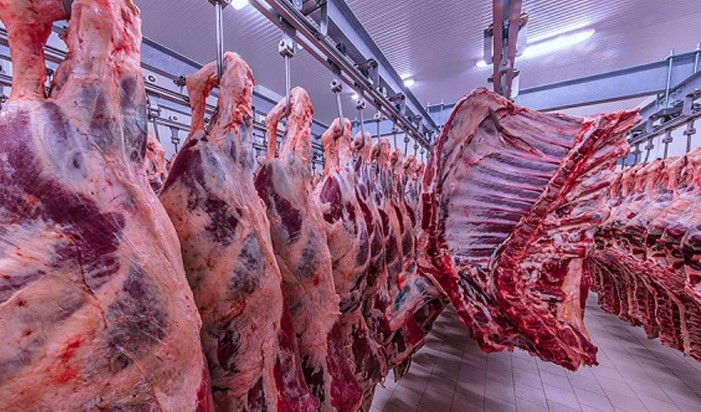
However, restrictions remain in place on the movement of raw meat and animal products originating from butcheries, abattoirs, slaughterhouses, informal slaughter facilities and cold storage facilities located within the //Kharas Region.
Consumers in the region may purchase meat from local retailers for personal use, provided proof of purchase is available. Registered animal feed may also move into and within the region when accompanied by the necessary documentation. The ministry has further outlined conditions under which livestock may be slaughtered in areas south of the Veterinary Cordon Fence, excluding the //Kharas Region.
Animals held in registered feedlots and quarantine facilities may move directly to registered abattoirs for slaughter if strict biosecurity measures are observed, no new livestock have entered the facility during the previous 30 days, and negative FMD test results have been confirmed following veterinary examination and sampling.
Slaughtering animals for home consumption remains permitted, provided meat and related products remain on the premises where the animals were slaughtered. The slaughter of animals at farms or homesteads for commercial sale remains prohibited until further notice.
Veterinary officials also emphasised that meat from non-cloven-hoofed animals must remain identifiable, with heads and hooves attached, to assist with monitoring and compliance efforts. The ministry confirmed that trade in a number of processed animal products continues to be allowed nationwide.
These products include commercially produced cooked meat products, thoroughly cooked meat, commercial biltong and droëwors from registered facilities, pasteurised milk products, treated hides and trophies, as well as hides processed to the wet-blue stage in accordance with veterinary protocols.
Importation and transit of raw meat and animal products from cloven-hoofed animals remain permitted when accompanied by valid veterinary permits and health certification. Authorities also stated that animals already prepared and certified for export outside the //Kharas Region may proceed with export arrangements, subject to the veterinary requirements of importing countries.
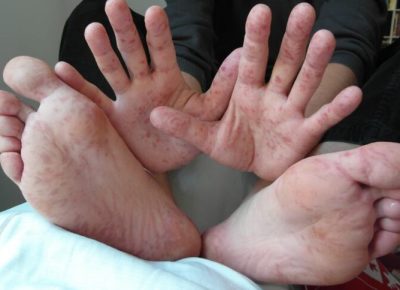
Veterinary Services has called on farmers, transporters, livestock traders and members of the public to remain alert for symptoms associated with Foot-and-Mouth Disease. Clinical signs include sores and blisters in the mouth, wounds between the hooves, excessive salivation, reluctance to move and noticeable loss of body condition.
Farmers who observe suspected symptoms are urged to immediately report cases to their nearest State Veterinary Office to enable rapid investigation and response.
The ministry said it will continue monitoring the situation closely and provide further updates should there be any changes in the disease status or control measures. “The public will be kept informed as new information becomes available,” the ministry stated.
By Rudi Bowe