President demands greater value addition, local landings, youth jobs and accountability in fisheries reform.
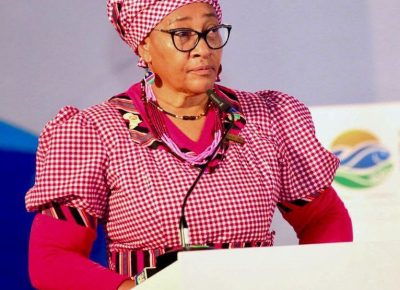
President Dr Netumbo Nandi-Ndaitwah has challenged Namibia’s fishing industry to deliver far more than fish exports, insisting that the country’s marine wealth must translate into jobs, businesses and greater economic opportunities for Namibians. Addressing the 2026 National Fisheries Indaba in Walvis Bay, the President described fisheries as a vital and strategic pillar of the national economy, while calling for a broader economic footprint from the sector.
She said the wealth generated from Namibia’s marine resources must result in greater value addition, sustainable employment and tangible benefits for the wider population.
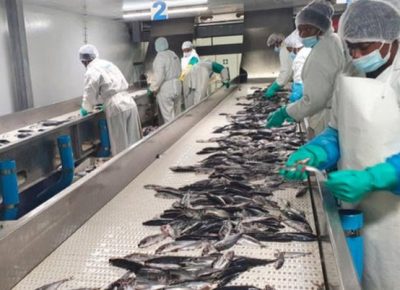
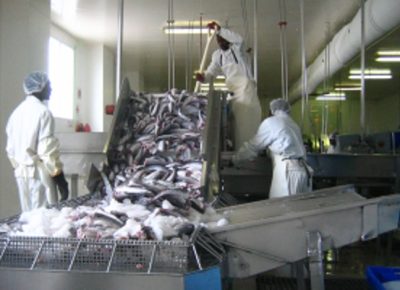
A key part of her message was the need to land catches locally, strengthening domestic processing and creating more opportunities throughout the fisheries value chain.
Dr Nandi-Ndaitwah placed particular emphasis on Namibia’s youth, saying the industry has a responsibility to create sustainable opportunities for young Namibians rather than allowing the country’s marine wealth to generate limited benefits beyond the harvesting stage. She also called on financial institutions to make capital more accessible to entrepreneurs, building on the momentum created by the National Youth Fund and supporting greater economic diversification. But the President’s reform agenda also came with a demand for greater accountability.
She called for total honesty, transparency and accountability across both Government and the fishing industry, stressing that access to Namibia’s marine resources is not simply a commercial privilege but comes with responsibilities to the nation.
Going forward, Government must scrutinise the performance and compliance of fishing rights holders when allocating quotas, she said.
Quota access, according to the President, should increasingly reward companies that demonstrate a meaningful contribution to Namibia’s development.
The approach signals a tougher standard for the management of one of Namibia’s most valuable natural resources — with economic participation, local investment, employment and compliance becoming central considerations.
For Dr Nandi-Ndaitwah, the question is no longer simply how much fish Namibia catches, but what Namibia gains from every tonne harvested from its waters.
The fisheries sector, she said, must become a stronger engine of inclusive economic development rather than an industry whose benefits stop at the water’s edge.
By Rudi Bowe