Overcrowding in schools remains a growing challenge in the Erongo Region, driven largely by internal migration and limited infrastructure, as per the Minister of Education, Innovation, Youth, Sports, Arts and Culture, Sanet Steenkamp.
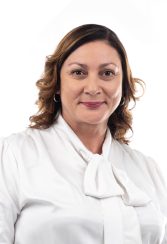
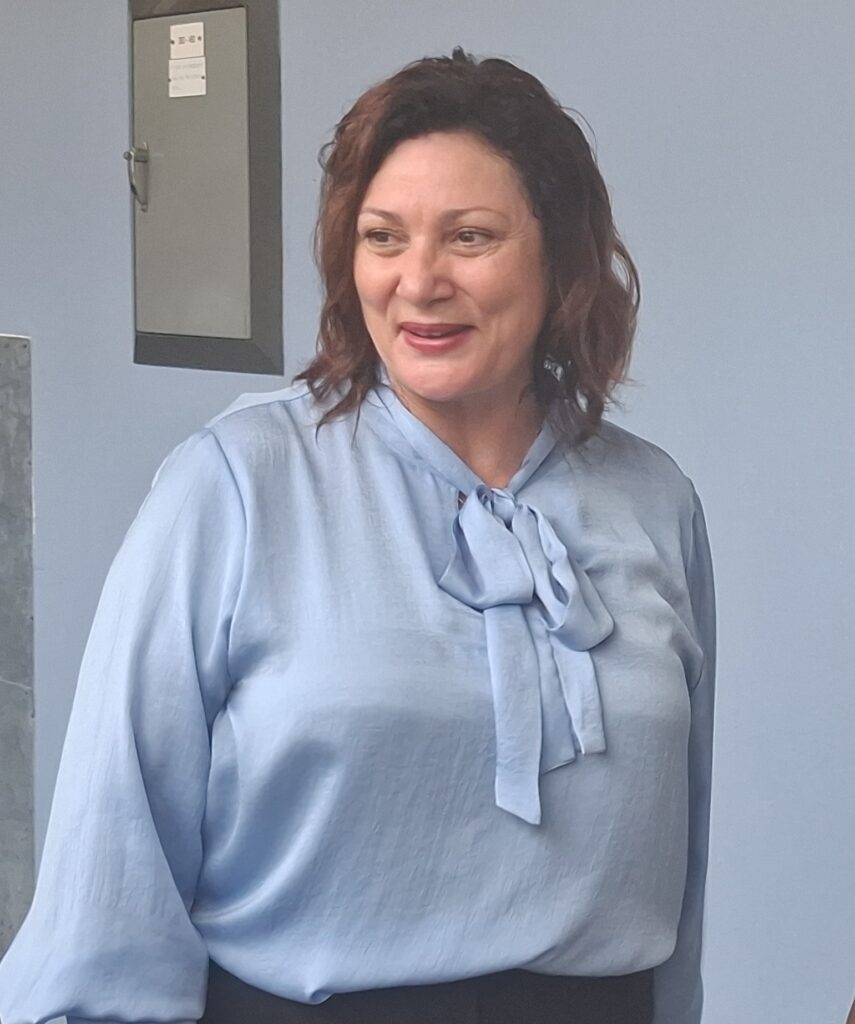
Speaking during a recent interview, Steenkamp (pictured) acknowledged that overcrowding is now a reality in several parts of the country, with Erongo listed among five regions currently being targeted for decongestion by the Ministry of Education.
One of the schools most affected is West Side High School in Swakopmund, which currently accommodates learners from pre-primary level up to Advanced Subsidiary (AS) level. According to the minister, the school has more than 1 300 learners, placing severe strain on its facilities. “It would be ideal for schools like West Side High to be split. What you want to do is invest so that you have a separate primary school and a separate secondary school,” Steenkamp said. She noted that while such plans are necessary, it will take time to be implemented and acquire substantial investment in infrastructure. “In the meantime, the school is doing its best under difficult circum-stances. The media centre is full, laboratories are full, and libraries have been compromised because of space,” she said.
Steenkamp also pointed to continued migration into Erongo as a major contributing factor. Parents from other regions are relocating to the area for employment opportunities and enrolling their children in already crowded schools.
“We see more and more parents still flocking to one space, parents who come from elsewhere, who were not even part of the region. But they are here, they are working here, and there’s a need,” she said.
According to Steenkamp the ministry plans to address these pressures through its infrastructure development plan and is hopeful that more resources will be allocated in the 2026 financial year for capital development.
At the same time, Steenkamp highlighted a contrasting reality in some rural regions, where schools are standing empty due to population movement.
“You can go to Oshikoto, some schools are standing empty simply because people have migrated,” she said. She emphasised that strengthening decentralisation and investing more in rural communities could help curb migration to urban centres like Erongo. “If we invest much more in rural communities, we will not see people going out for more work. They will find sustainability right where they are,” Steenkamp said. “In the long term, she said government remains committed to decentralisation as a strategy to bring services closer to citizens, while acknowledging that the approach comes with its own challenges. The administration is very clear in what it set out to achieve,” Steenkamp concluded.
By Sharlien Tjambari