Namibian President Dr Netumbo Nandi-Ndaitwah has challenged Namibia’s fisheries industry to deliver far greater economic benefits to the nation, warning that access to the country’s lucrative marine resources must come with clear responsibilities.
Speaking at the 2026 National Fisheries Indaba, the President described fisheries as a vital and strategic pillar of Namibia’s economy and called for a fundamental expansion of the sector’s contribution to national development. She said the wealth generated from Namibia’s marine resources must translate into greater value addition, sustainable employment and tangible benefits for ordinary Namibians, particularly the country’s youth.
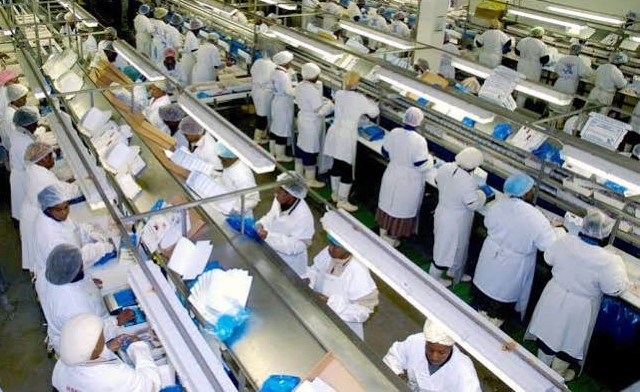
Dr Nandi-Ndaitwah placed strong emphasis on ensuring that more fish is landed locally, saying local landings are critical to expanding domestic processing, creating jobs and strengthening the entire fisheries value chain. The President’s message comes amid growing pressure for Namibia to extract greater economic value from its natural resources rather than exporting raw products with limited downstream benefits. She urged the fishing industry to broaden its economic reach and invest in activities that can create sustainable opportunities for Namibians beyond the harvesting of marine resources.
Youth employment and entrepreneurship were also placed high on the agenda. Drawing on the momentum generated by the National Youth Fund, Dr Nandi-Ndaitwah called on financial institutions to make capital more accessible to young entrepreneurs and businesses seeking to diversify into new economic activities.
She said greater access to finance would be essential if Namibia is to turn its youth population into active participants in the economy.
But alongside economic growth, the President issued a firm call for honesty, transparency and accountability across both Government and the fishing industry. She stressed that access to Namibia’s marine resources is not an entitlement without obligations, but a responsibility that must be matched by meaningful contributions to national development.
Looking ahead, Dr Nandi-Ndaitwah said Government must take a more rigorous approach when assessing fishing quota allocations. Performance and compliance, she said, should be central to determining who receives access to Namibia’s marine resources.
The President’s intervention has placed local processing, job creation, youth empowerment and accountability at the centre of the national fisheries debate, signalling that future access to the country’s marine wealth could increasingly be judged by what industry gives back to Namibia.
By Rudi Bowe