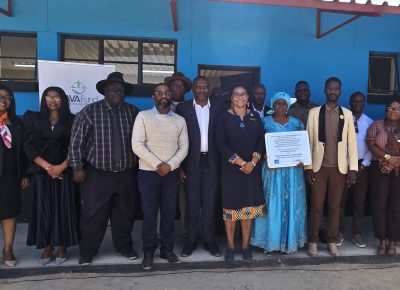
Namibia has taken a major step forward in scientific research and healthcare innovation with the launch of the country’s first high-throughput genome sequencing platform at the Namibia University of Science and Technology (NUST).
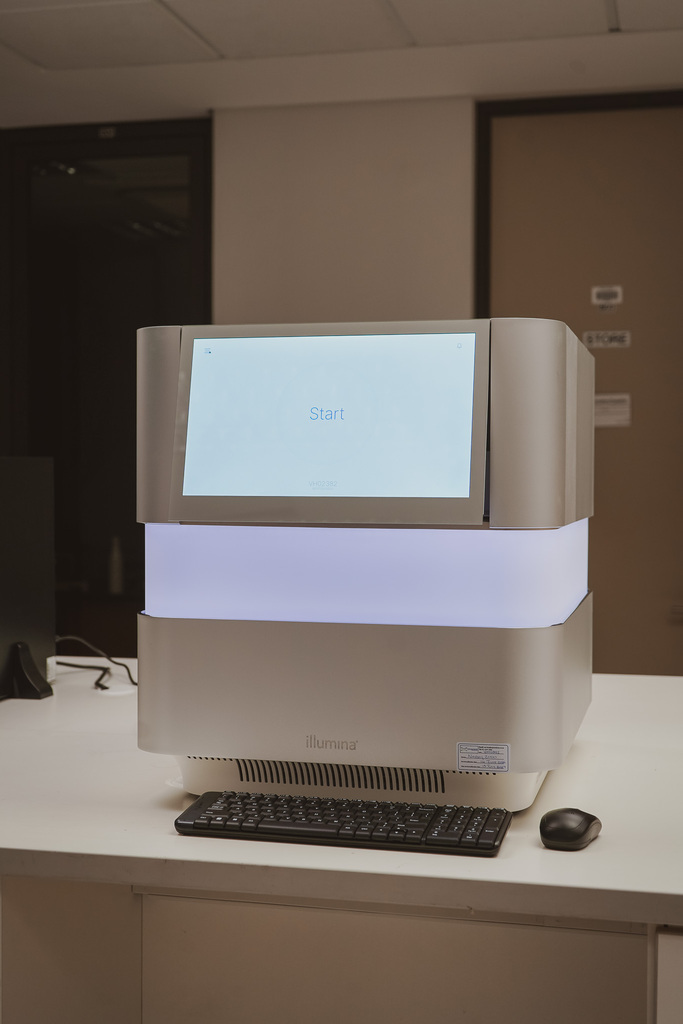
The new Illumina NextSeq 2000 platform enables researchers to analyse DNA locally, significantly reducing the need to send samples to laboratories abroad. The technology is expected to strengthen Namibia’s capabilities in healthcare, biomedical research, agriculture, biodiversity conservation and environmental science.
In a landmark achievement, NUST has already successfully sequenced the first Namibian human whole genomes entirely within the country, paving the way for advances in precision medicine, disease surveillance and locally driven genomic research.
Describing the development as a milestone for the country, Professor Lamech Mwapagha said the launch marks “a defining moment for science in Namibia.”
“This platform gives us the ability to generate high-quality genomic data locally, creating opportunities for cutting-edge research while reducing dependence on international facilities,” he said.
The university said the new sequencing capability will play a vital role in improving Namibia’s preparedness for public health challenges by enabling faster identification and monitoring of diseases. It is also expected to support agricultural innovation through improved crop and livestock research, while contributing valuable African genomic data to international scientific studies.
Beyond research, the facility will enhance postgraduate training by providing students and researchers with access to world-class genomic technologies, helping to develop the next generation of Namibian scientists.
The introduction of the platform positions Namibia among a growing number of African countries with advanced genome sequencing capabilities and underscores NUST’s commitment to driving innovation through science and technology.
By Rudi Bowe