Namibia’s ambitions to develop green hydrogen, renewable energy, modern ports and regional logistics will depend heavily on whether the country can equip its people with the skills required to take advantage of emerging opportunities.
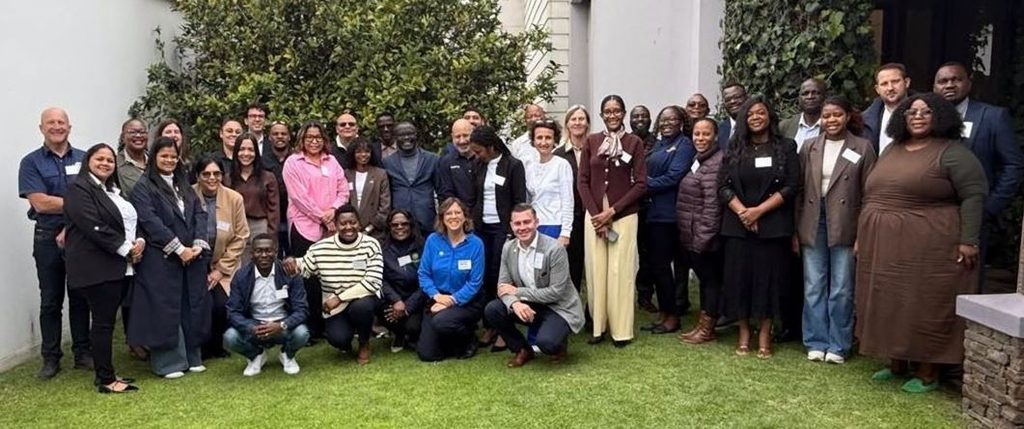
This was the key message at an Industry Engagement Roundtable on Skills Development for Green Ports and Logistics Value Chains held in Walvis Bay, bringing together the Namibia Training Authority (NTA), Government, industry, training institutions and development partners. As Namibia accelerates its transition towards greener and more technologically advanced industries, the demand for specialised skills is expected to grow significantly. The transition will require competencies that go beyond traditional occupations, including automation and digitalisation, smart-port technologies, renewable energy systems, electrical and mechanical systems, logistics technology, environmental management, occupational health and safety, and specialised maritime and port operations.
The NTA said the country’s success should not be measured simply by the number of people receiving training, but by whether Namibians are being equipped with the right competencies for the right occupations at the right time. This, it said, requires close cooperation between industry and training institutions. Industry must clearly communicate its emerging skills requirements, while training providers must respond with relevant, quality programmes capable of preparing workers for the changing demands of the economy. The engagement comes as Namibia implements its Sixth National Development Plan (NDP6), which identifies green hydrogen, transport and logistics, skills development and economic transformation among the country’s key development priorities. Growing investment in green energy and modern infrastructure has also increased pressure on Government and industry to ensure that these developments translate into skills, decent employment and meaningful economic opportunities for Namibians.
The NTA said it would continue working with industry and development partners to translate emerging skills requirements into occupational standards, qualifications, training programmes and practical skills-development interventions. Walvis Bay is expected to play an increasingly important role in Namibia’s green economy, particularly through its port, logistics and maritime activities. The development of a skilled workforce will therefore be critical to ensuring that the benefits of these emerging industries remain in Namibia. The message from the roundtable was clear: Namibia’s green economic ambitions will only succeed if the country develops the human capital capable of driving them. NTA calls for workforce readiness as green ports, logistics and renewable energy sectors expand.
By Rudi Bowe