Government officials, regional leaders, and stakeholders have called for a modern, balanced, and inclusive migration framework as consultations on Namibia’s proposed Migration Bill continue across the country.
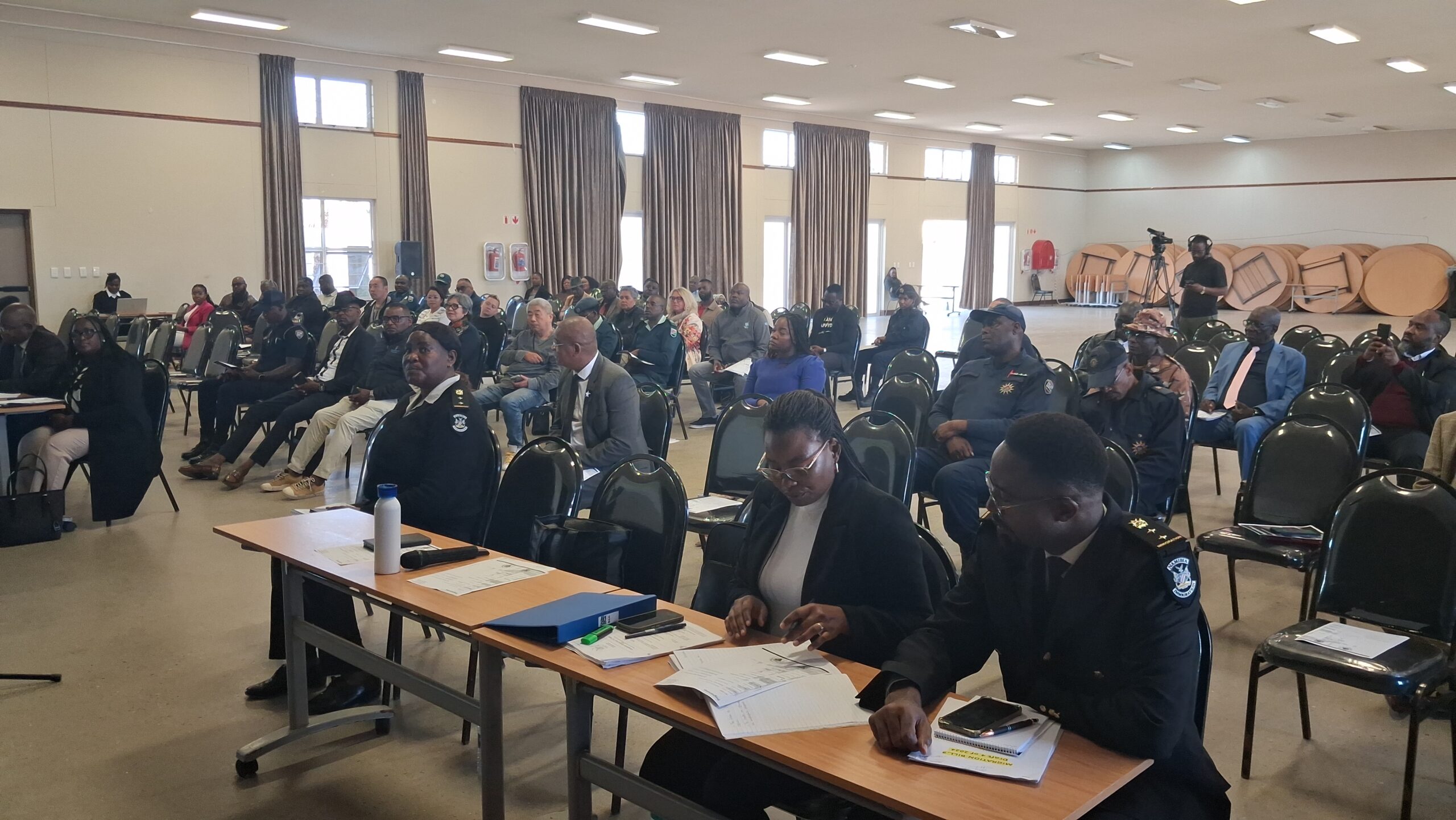
The consultations, led by the Ministry of Home Affairs, Immigration, Safety and Security, form part of the national consultative process aimed at gathering public input before the proposed legislation is submitted to the Cabinet Committee on Legislation. Speaking during the two-day consultation meeting in Swakopmund, Director of Immigration and Border Control Danelie /Naris said Namibia’s current Immigration Control Act of 1993 is outdated and no longer adequately addresses modern migration trends. “Our current immigration control act of 1993 is outdated. It does not accommodate all the changes that are currently included in the migration law,” /Naris said.
She explained that migration systems have changed significantly over the years, with Namibia introducing new border management measures and travel arrangements. “We no longer only require passports when entering at entry points. We have also introduced visa-on-arrival systems,” she said. /Naris added that Namibia is moving towards the use of advanced passenger information and passenger name records before travellers enter the country. “This will reduce gaps when someone is coming into the country because authorities will already have the information in advance,” she explained.
She further noted that the current legislation mainly caters for employment permits and does not fully address the growing number of investors and specialised workers entering Namibia. “We have investors that come into the country, but at the moment they are only issued employment permits. The new bill will cater for investor permits,” she said. According to /Naris, sectors such as charcoal workers are also not adequately covered under the current legislation. “The main objective of this consultation is to have inputs, amendments, and proposals from the public on the bill that we will be presenting,” she said. Swakopmund Mayor Suamma Kautondokwa said migration continues to play an important role in Namibia’s social and economic development. “As a coastal town and one of Namibia’s major tourism and economic centres, Swakopmund experiences the movement of people from across the world for tourism, employment, investment, education, and business opportunities,” Kautondokwa said. He said the movement of people contributes positively to economic growth and cultural diversity, while also highlighting the importance of effective migration systems. “At the same time, it underscores the importance of having effective migration laws and systems that are responsive, fair, secure, and aligned with national interests and international standards,” he said.

Kautondokwa welcomed the broad participation from government, the private sector, and members of the public, saying it reflects the government’s commitment to inclusive consultation. Speaking on behalf of the Governor, the Chief Regional Officer of Erongo Regional Council Sam Ntelamo described migration as one of the most significant and dynamic global issues facing countries today. “In an increasingly interconnected world, people continue to cross borders for employment opportunities, business ventures, education, tourism, family reunification, and, in some cases, safety and protection,” Ntelamo said. Migration presents both opportunities and challenges that require effective management and sound policy responses. The Erongo leadership also highlighted the region’s strategic economic position due to its ports of entry, tourism industry, mining sector, and maritime operations. “Our region occupies a strategic position within Namibia’s economy and serves as a key gateway for economic activity and international engagement,” Ntelamo said. He mentioned the urgent need to review Namibia’s immigration legislation. “The policy of 1993 is far too old, and there is an urgent need for a review,” Ntelamo stated. He said the proposed legislation should strengthen migration governance while protecting human dignity and supporting national development.“
The legislation that emerges from this process should be practical, balanced and able to respond to both current and future migration trends,” he added. Stakeholders were encouraged to participate openly in the consultations, with government indicating that recommendations gathered nationwide will help shape the final draft of the proposed Migration Bill.
By Sharlien Tjambari