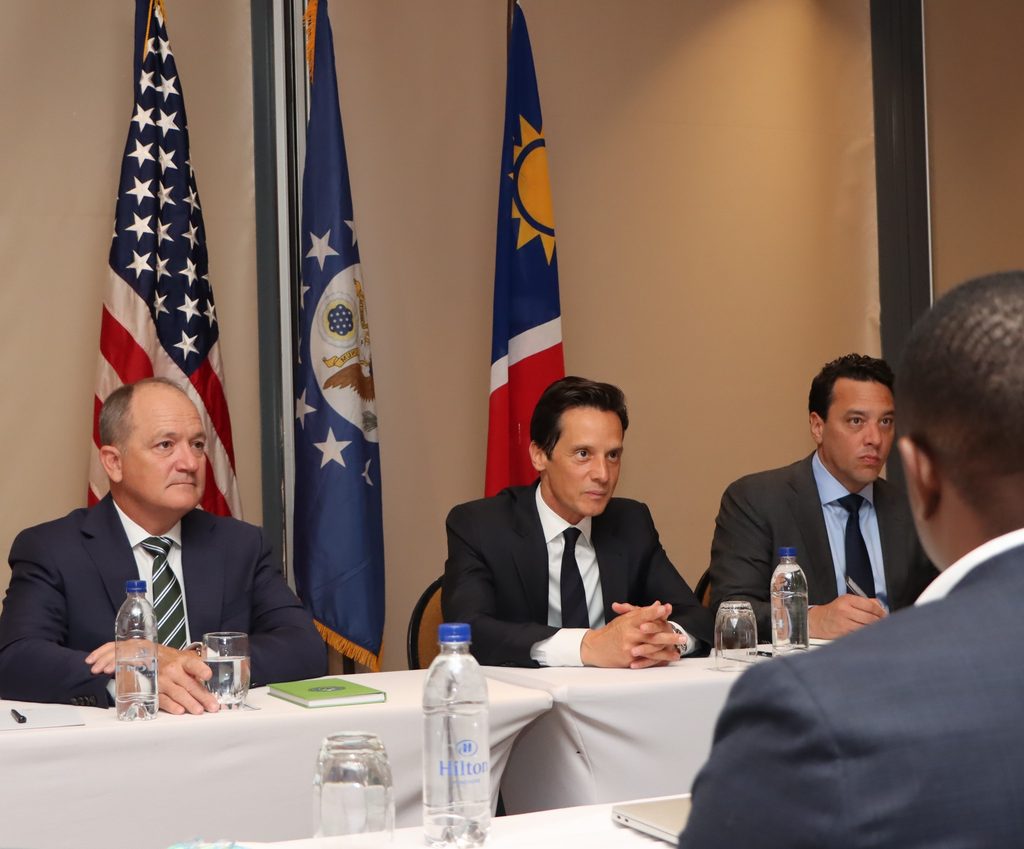
Photo: US Embassy to Namibia
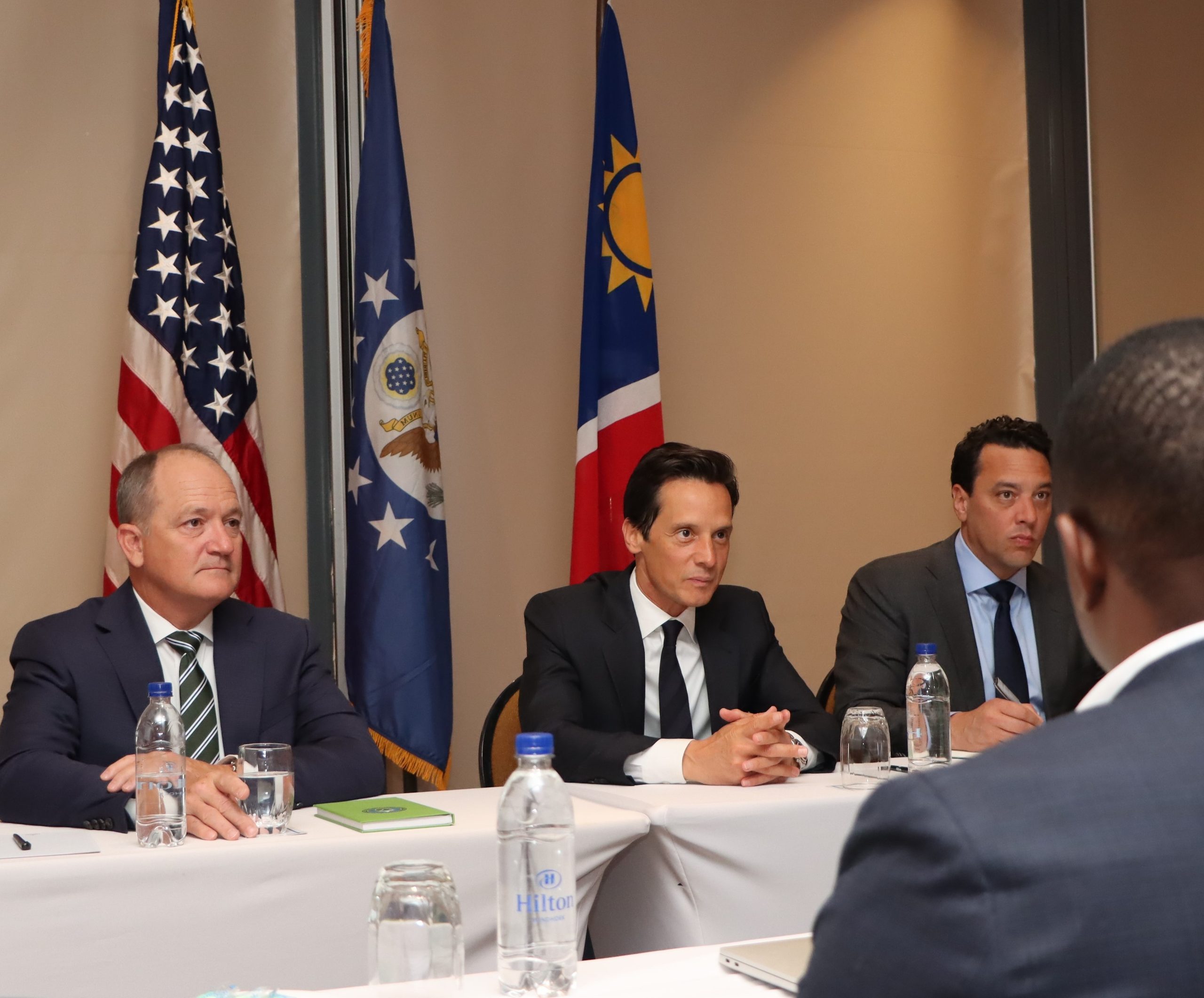
The Port of Walvis Bay could become a strategic gateway linking Namibia’s offshore petroleum industry to markets across Southern Africa and the world, according to U.S. Ambassador to Namibia John Giordano.
In a statement ahead of the Namibia Oil and Gas Conference, Giordano said Namibia’s offshore oil discoveries have placed the country on the verge of a potentially transformative economic period. He said the challenge now is to ensure that petroleum development creates jobs for Namibians, opportunities for local businesses and broader economic growth.
The theme of this year’s conference, “Making Namibia’s Oil Work for Namibians”, reflects this goal, he said. Giordano said moving from oil exploration to production will be a complex and expensive process, with Namibia’s oil potential located offshore at distances of up to 200 kilometres and at depths that have never been drilled anywhere in the world. He said international oil companies and oilfield service companies are already involved in the development of Namibia’s petroleum sector. U.S. companies Baker Hughes, Halliburton, SLB and ABS are providing technology and operational expertise, while Chevron, Shell, TotalEnergies and Rhino Resources are appraising discoveries in the Orange and Walvis Basins.
First production is expected by 2030, according to the statement. Giordano said the transition to production requires major investment, expertise, infrastructure and strong institutions that give investors confidence to commit for the long term. A major part of Namibia’s petroleum strategy is ensuring that the industry creates opportunities for Namibians. Giordano said the United States shares this objective and that American companies are already investing in local supplier development, technical education and workforce training.
Baker Hughes has organised training programmes to prepare Namibian suppliers to work with oil and gas companies, while Halliburton co-funded a university technology centre focused on geoscience education and research. Through Fulbright exchanges, the U.S. government is also helping establish Namibia’s first petroleum engineering programme at the University of Namibia. The programme is intended to produce Namibian engineers with international qualifications to work with major oil companies and oilfield service companies. Giordano said the United States would continue supporting Namibia’s goal through American companies hiring locally, U.S. government financing tools and the U.S. Embassy’s commercial diplomacy.

Walvis Bay as Regional Gateway
Giordano said Namibia’s oil opportunity extends beyond the offshore fields themselves and that infrastructure connecting production to markets will be equally important. He singled out the Port of Walvis Bay as a key part of this potential. “The Port of Walvis Bay is emerging as far more than a modern port,” Giordano said, describing it as a strategic gateway connecting Southern Africa’s resource potential to global markets. He said a fully developed Southern Africa Energy Corridor anchored at Walvis Bay and connected by rail and roads to Botswana, Zambia and beyond could have benefits far beyond moving oil.
According to Giordano, such a corridor could attract investment, talent and industry while creating wider economic and trade opportunities. He said landlocked resource-rich countries in Southern Africa could gain a reliable Atlantic-facing gateway to international markets. “The multiplier effect of getting infrastructure right” could therefore extend beyond Namibia, he said. The United States is supporting infrastructure corridors through commercial diplomacy and economic financing tools, according to the statement. Giordano said the United States is using its economic tools to support energy and critical minerals partnerships with countries such as Namibia.
The Export-Import Bank of the United States, the U.S. International Development Finance Corporation and the U.S. Trade and Development Agency are being used to help attract private investment, reduce investment risks and support projects in areas including energy, transportation, critical minerals and digital infrastructure. He said the United States has mobilised more than USD32 billion in critical minerals financing globally over the past six months. Giordano said Namibia has an opportunity to turn its petroleum discoveries into long-term economic benefits. He said decisions made in the coming months about how the resources are developed, the terms under which development takes place, the partners involved and the long-term vision for the sector will be important for Namibia’s future. “Namibia is at one of those rare moments,” Giordano said. He added that the United States is ready to work alongside Namibia as the country develops its energy sector and seeks to turn its natural resources into long-term prosperity.
By Eileen van der Schyff