Walvis Bay’s position as Namibia’s major trade gateway is facing a growing threat from rising sea levels, President Netumbo Nandi-Ndaitwah has warned.
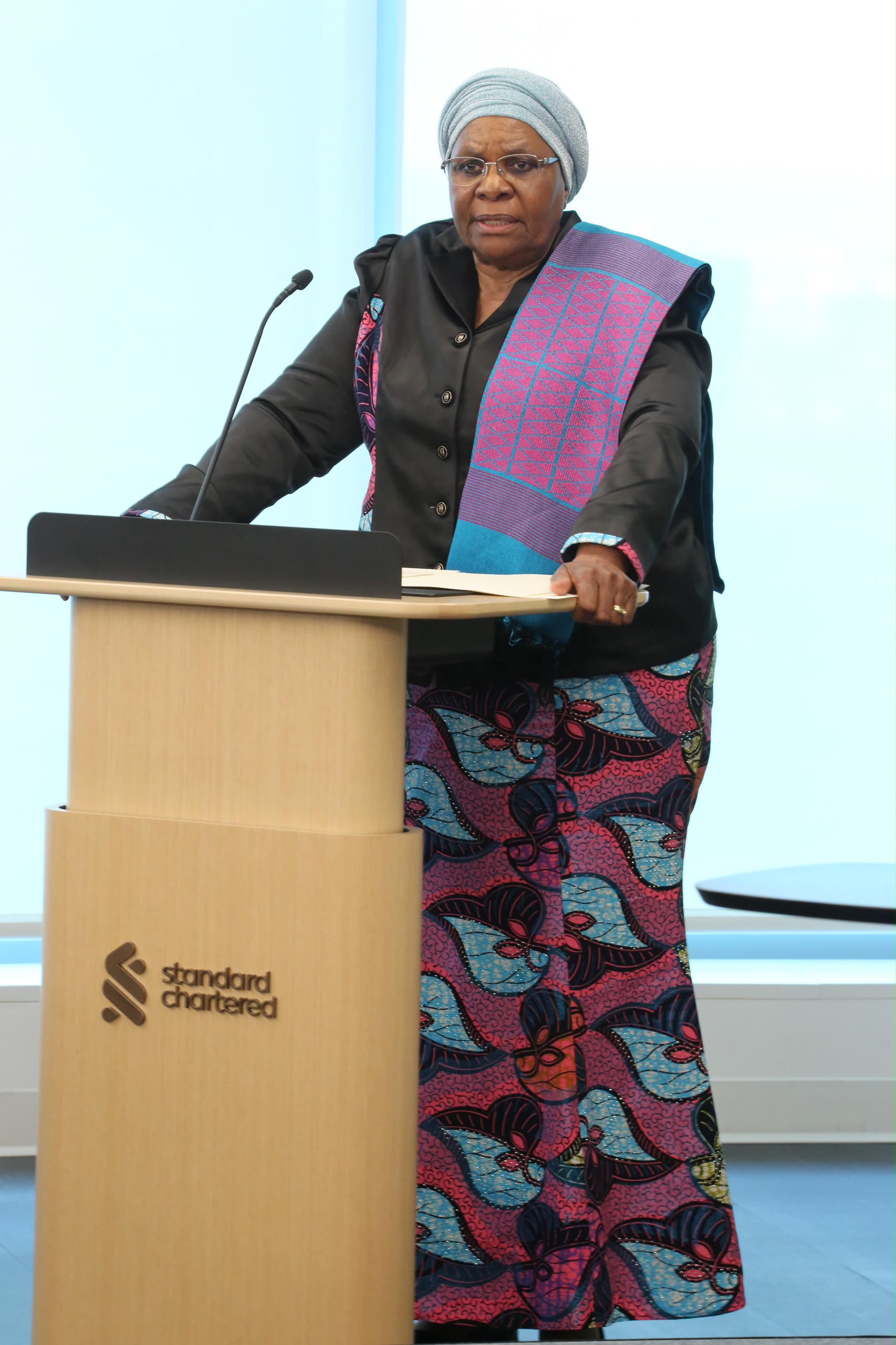
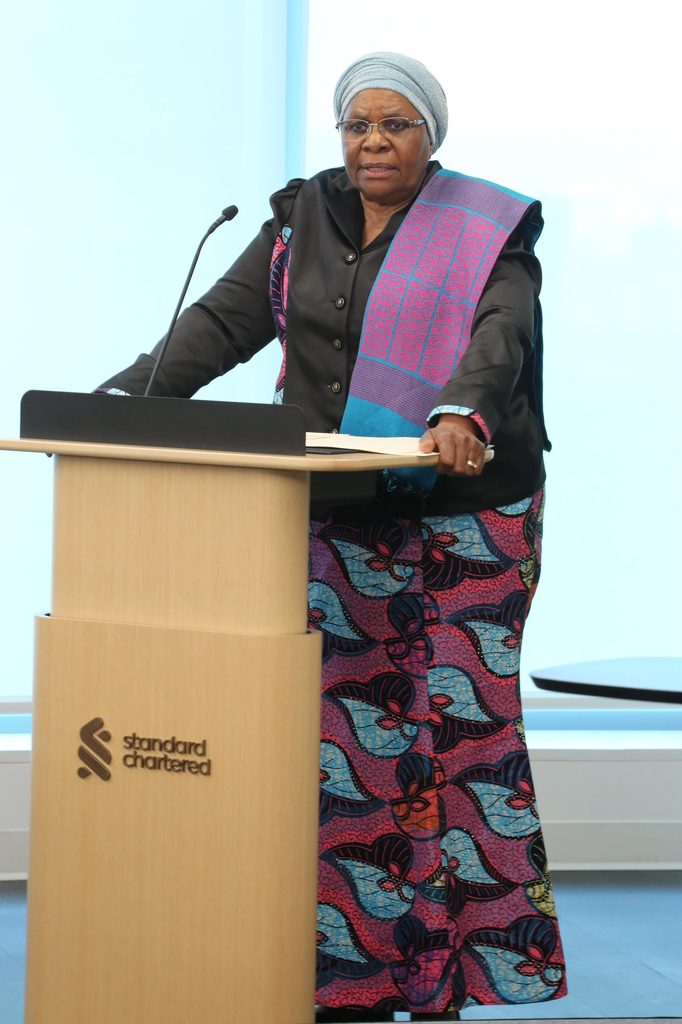
Addressing the United Nations High-Level Plenary Meeting on the Existential Threats Posed by Sea-Level Rise in New York on 24 September, Nandi-Ndaitwah said rising seas were no longer a distant projection but a present and accelerating reality. She singled out the Port of Walvis Bay as particularly vulnerable, noting that the harbour is situated only one to three metres above mean sea level. “Rising sea level affect our transport infrastructure, marine resources, biodiversity and the livelihoods of coastal communities,” she said.
The warning carries major economic implications for Namibia. Walvis Bay is a critical gateway for national and regional trade, with port activities supporting logistics, investment, businesses and employment. The President said substantial investment in coastal protection and climate-resilient infrastructure would be needed to safeguard trade, competitiveness, investment and jobs. The threat also extends to Namibia’s fisheries sector, which relies on the Benguela Current Large Marine Ecosystem.
Nandi-Ndaitwah said the marine ecosystem is vital for GDP, food security and foreign exchange earnings, but warned that rising ocean temperatures, changing ocean chemistry, shifting fish stocks and declining marine productivity could threaten its sustainability. For Namibia, the climate challenge is particularly stark because the country contributes only 0.01% of global greenhouse gas emissions, yet faces significant consequences from climate change. The President used the platform to call for greater climate justice and international support for vulnerable developing countries.

She urged the international community to ensure that climate finance, adaptation finance and the Loss and Damage Fund are adequately resourced, predictable and accessible. “Climate justice must ensure that countries with the greatest contribution to climate change should scale-up and support economies that contribute the least to climate change,” she said. The President’s warning places Walvis Bay at the centre of Namibia’s climate and economic resilience challenge.
Protecting the harbour and other coastal infrastructure is no longer simply an environmental concern, but a matter of protecting trade, investment, employment and public finances.
By Rudi Bowe