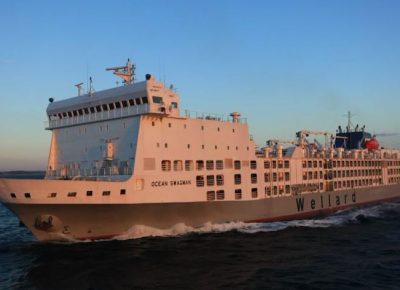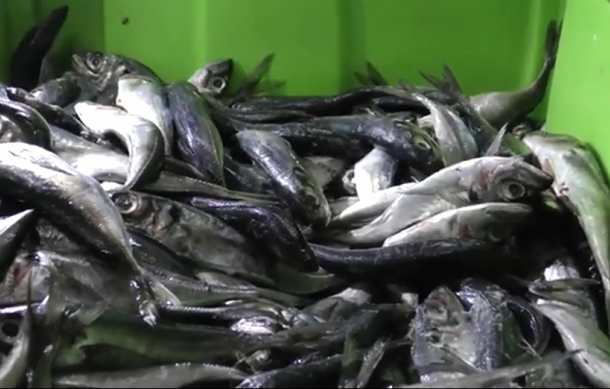
The Wet Landed Small Pelagic Association has provided detailed insight into Cabinet’s recent decision to temporarily relax the 200-metre isobath restriction for the wet landed horse mackerel trawling subsector, describing the move as both necessary and responsibly structured.
According to the association, the decision was driven by a combination of operational and socio-economic pressures. These include reduced access to viable fishing grounds, declining catches, factory slowdowns, and job losses, particularly in coastal hubs such as Walvis Bay. The measure is intended to provide short-term relief while preserving long-term sustainability of the resource. The relaxation, which remains temporary, will be subject to ongoing monitoring and may only be extended based on scientific advice, compliance performance, and measurable socio-economic outcomes. Authorities have emphasised that strict safeguards will remain in place throughout the period. These include vessel monitoring systems, onboard observers, catch reporting, bycatch controls, and area-based management enforced by the Ministry of Agriculture Fisheries Water and Land Reform.
The industry has expressed full support for these controls, noting that compliance is critical to ensuring responsible fishing practices. While acknowledging potential environmental risks, such as by-catch, habitat disturbance, and pressure on juvenile fish, the association maintains that these can be mitigated through established measures, including Total Allowable Catch (TAC) limits, scientific monitoring, and strict enforcement against non-compliance. Industry data from recent years suggests that wet landed horse mackerel vessels primarily target adult fish and avoid unwanted catch. However, continuous assessment through observer data and scientific review will remain essential to validate this trend. From an operational perspective, the decision is expected to significantly improve access to fishing grounds, enabling increased landings and the revival of factory operations. The subsector, which already has vessels, processing plants, and a skilled workforce in place, is well-positioned to respond quickly. The broader economic implications are considerable. The subsector supports employment across fishing, processing, logistics, and maintenance, while contributing to exports, tax revenue, and port activity.
Increased landings are also expected to stabilise supply, with potential benefits for local availability and affordability of fish products. The association stressed that the benefits of the relaxation should be distributed fairly among all compliant operators, with transparency in implementation remaining a key priority. Stake-holder engagement has been central to the process, involving government, scientists, industry representatives, and affected communities. Key concerns raised, including sustainability, job security, and equitable access, are expected to be addressed through ongoing consultation and regular review. Looking ahead, the success of the measure will be evaluated against key indicators such as catch performance, compliance records, bycatch levels, job retention, and economic contribution. Any move toward making the policy permanent will depend on clear scientific evidence, environmental safeguards, and demonstrated socio-economic benefits. In its closing position, the association reaffirmed its commitment to sustainable fishing, job creation, and constructive cooperation with government, emphasising that Namibia’s fisheries management must continue to balance environmental protection with economic realities.

By Rudi Bowe