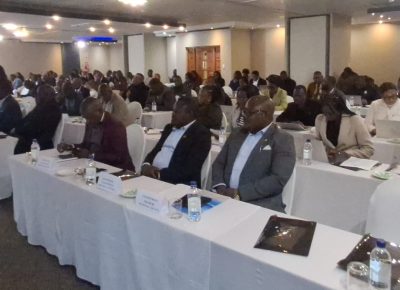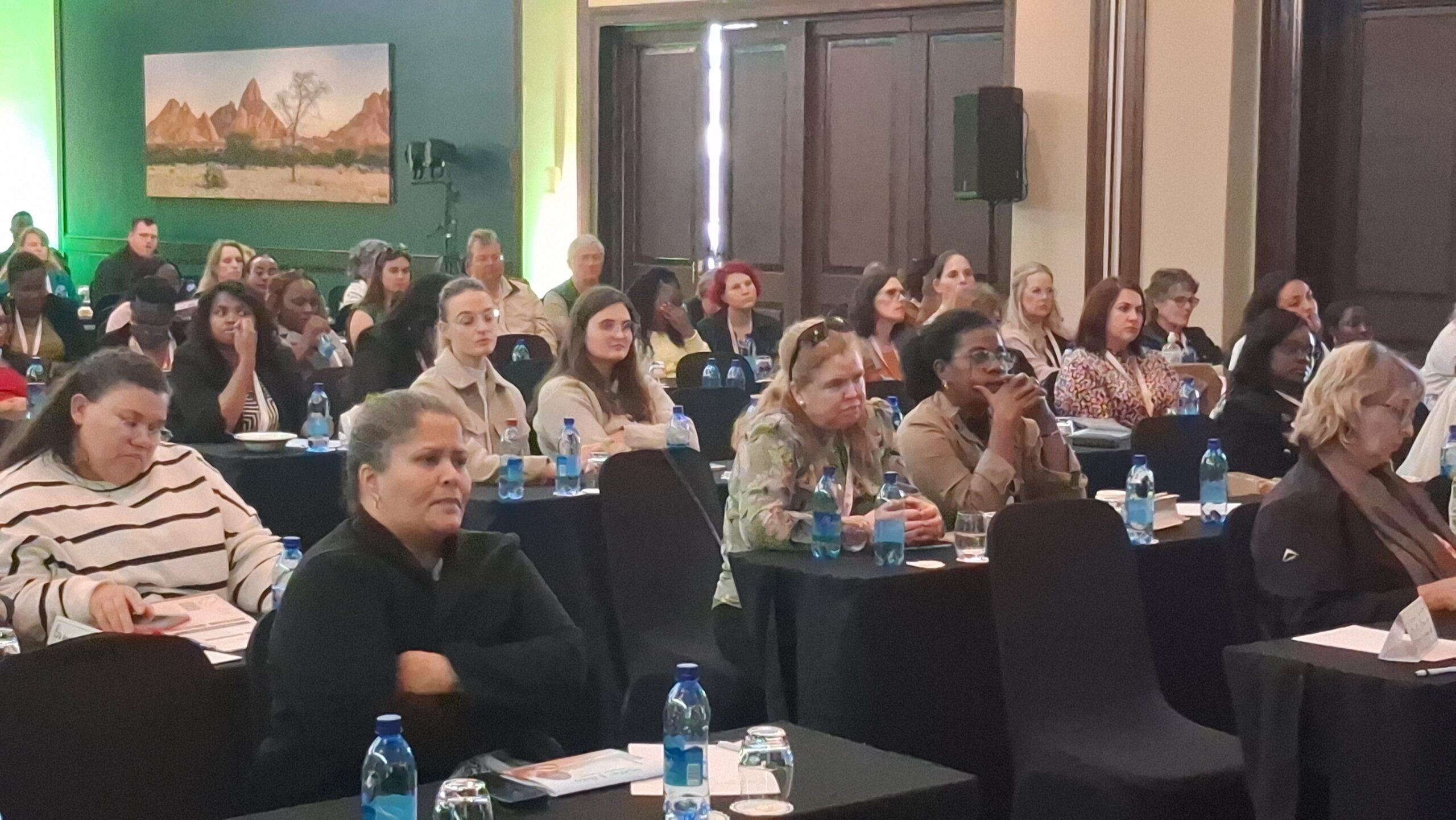
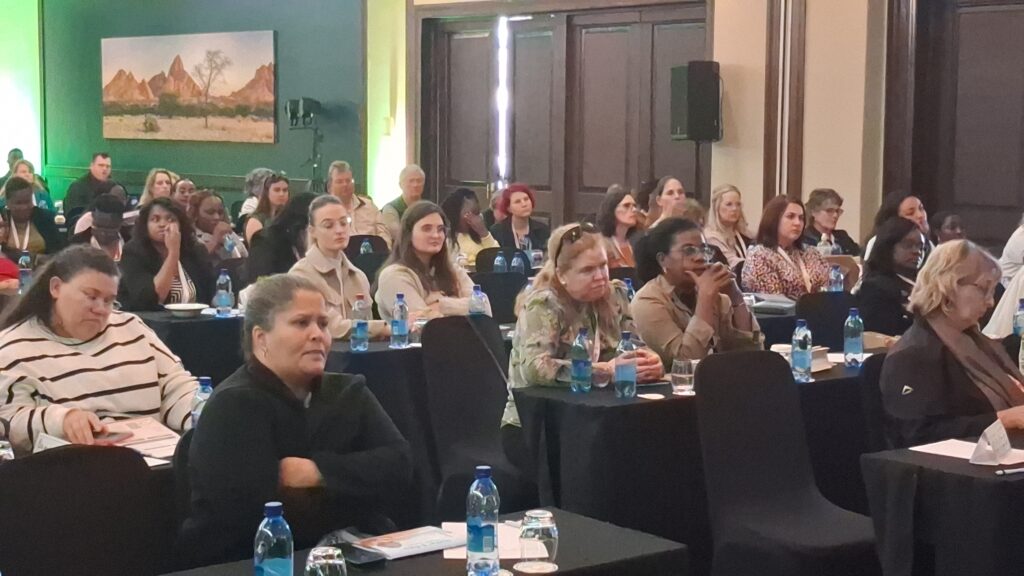
The importance of the first 1 000 days of a child’s life, from conception to the age of two, took centre stage at the 7th Annual Erongo Maternity and Newborn Symposium held in Swakopmund on Friday, where healthcare professionals from across the region gathered to strengthen maternal and child healthcare.
The symposium also marked the launch of a locally developed mother and baby booklet aimed at improving continuity of care for families. Welcoming delegates, Paediatrician Dr Sebastian Gericke said the symposium recognises the role every healthcare professional plays in ensuring positive outcomes for mothers and babies, from reception staff and nurses to therapists and laboratory personnel. He stressed that the first 1 000 days represent the most critical period in a child’s development, with maternal health, pregnancy, birth, nutrition, screening and early childhood development all influencing lifelong health outcomes.
One of the key highlights of the event was the introduction of the new mother-and-baby booklet, designed specifically for the Namibian coastal context. The booklet enables healthcare professionals and parents to keep important maternal and child health information together, including pregnancy history, delivery details, newborn screening, vaccinations, developmental milestones, and referrals. According to Dr. Gericke , the resource aims to improve communication between healthcare providers and reduce missed opportunities for follow-up and early intervention.
The symposium’s theme, “From Data to Decision-making across the First 1 000 Days,” reflected a growing emphasis on using local evidence to improve healthcare services. Organisers said the annual gathering has evolved over the past seven years into a multidisciplinary platform that has strengthened collaboration between doctors, nurses, midwives, therapists, dietitians, pharmacists and other healthcare professionals involved in maternal and newborn care. Among the presentations was a session by clinical geneticist Dr Liani Smit, who highlighted the importance of prenatal screening for chromosomal conditions. She explained that screening helps estimate a baby’s risk for conditions such as Down syndrome and allows healthcare providers and parents to make informed decisions, while emphasising that screening tests are different from diagnostic tests and that positive screening results require confirmation through further testing. Nutrition also featured prominently during the symposium. Dietitian Dr Hannelie Kemp explained that nutrition during pregnancy and the first two years of life has a lasting influence on brain development, growth and future health. She encouraged good maternal nutrition, exclusive breastfeeding where possible, and appropriate complementary feeding to give children the best possible start in life.
Outside the conference venue, delegates visited exhibition stalls showcasing healthcare products, services and innovations supporting maternal and newborn health, providing opportunities for networking and knowledge sharing among professionals from across the region. The symposium continues to promote stronger collaboration between public and private healthcare providers, with the ultimate goal of improving screening, follow-up care and early intervention for mothers and children. The newly launched booklet is expected to play a key role in connecting healthcare information from pregnancy through early childhood, ensuring that families and healthcare professionals work from a shared record throughout the child’s early years.
By Sharlien Tjambari