Namibia’s Ministry of Works and Transport has completed road projects worth nearly N$2 billion, upgraded 210 kilometres of railway infrastructure and exceeded its national aviation safety compliance target, marking significant progress in transport infrastructure development.
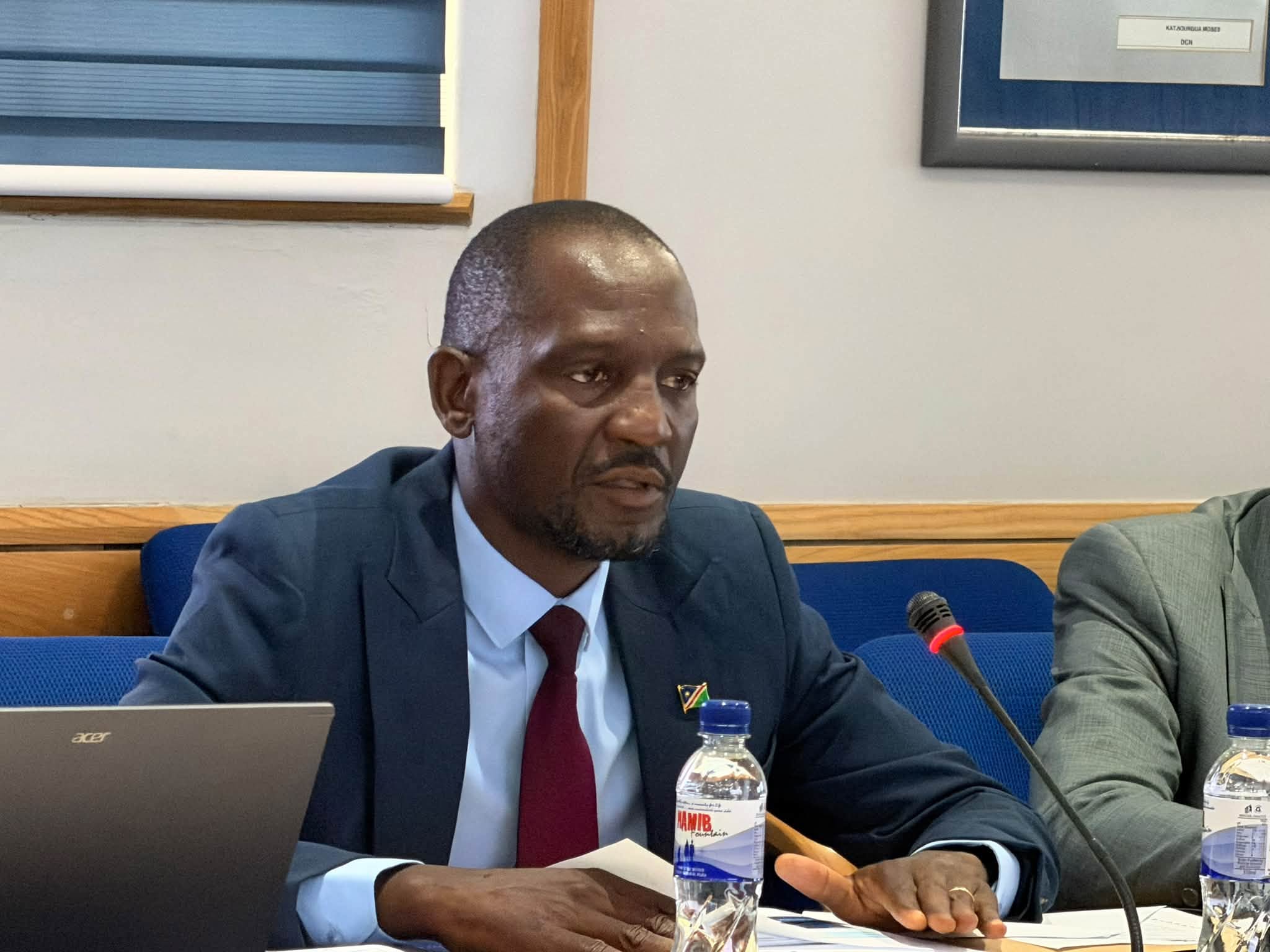
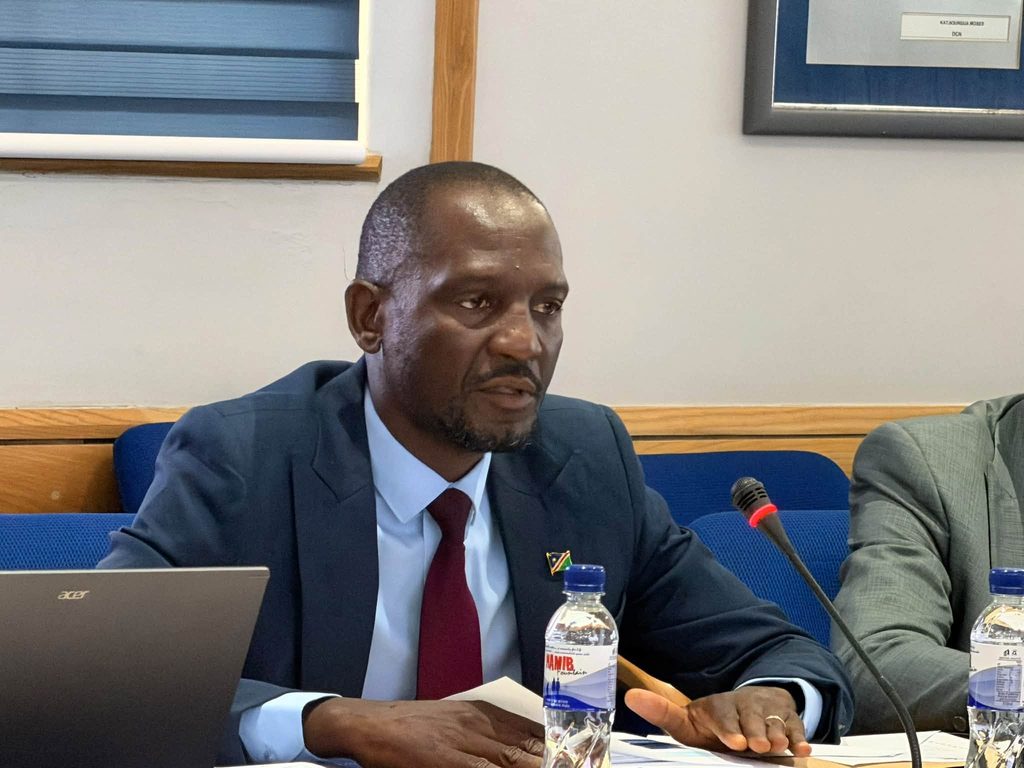
Works and Transport Minister Veikko Nekundi presented the achievements during the ministry’s second-quarter performance review for the 2026/27 financial year at the Office of the Prime Minister. The completed road projects include Phase 2A of the Windhoek–Hosea Kutako International Airport dual carriageway, valued at N$949.9 million, and Phase 2B, costing N$1.035 billion.
The ministry also completed the 23-kilometre Omulondo–Oshuuli road at a cost of N$53.4 million, while 210 kilometres of the national railway network were upgraded. In aviation, Namibia achieved 80.3% compliance with International Civil Aviation Organisation standards, surpassing the National Development Plan 6 target of 75%. Progress towards establishing a new national airline reached 85%, with the initiative remaining a government priority. The ministry also generated N$9.2 million through the auction of 114 obsolete government vehicles and procured 88 new vehicles at a cost of N$79 million.

Other achievements included adding 42 kilowatt-peak of solar photovoltaic capacity, installing an electric vehicle charging station and awarding two procurement contracts to local manufacturers under the government’s local sourcing directive. Government fleet maintenance also met its target, with 76% of vehicle repairs conducted internally. Prime Minister Dr Tjitunga Elijah Ngurare welcomed the progress but stressed that infrastructure development must deliver tangible benefits to communities. “We used to make demands that gave our leaders grey hair, but now we are the implementers and policymakers; we have no excuse but to deliver,” he said.
Ngurare called for better rural access roads and closer coordination between road construction and agricultural projects to strengthen rural livelihoods and economic activity. “Rural feeder roads are key,” he said, emphasising the need to connect communities to markets, essential services and economic opportunities. The government’s challenge now is to sustain the pace of infrastructure delivery while ensuring that major investments translate into improved mobility, safer transport and better access for communities across Namibia.
By Rudi Bowe