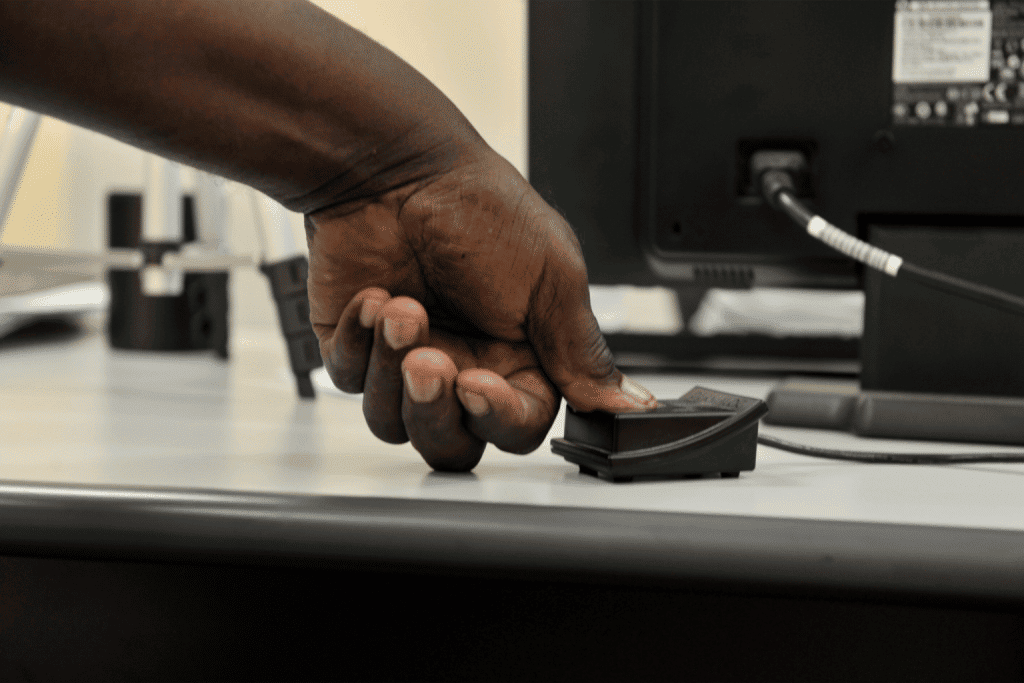
Namibia is stepping up efforts to prepare the public for the nationwide rollout of its new digital identity (ID) system, which is expected to begin in September.
The government has relaunched a public awareness campaign to help citizens understand how the new biometric digital ID will work and why it is important. Since last year, the Ministry of Home Affairs, Immigration, Safety and Security has been informing the public about the benefits of the new system.
The digital ID is expected to make it easier for people to access both government and private sector services through real-time biometric verification. It is also expected to help reduce identity fraud, remove duplicate records and improve efficiency and transparency in public service delivery. The digital ID card will contain a microchip built into the card. The chip will securely store a person’s demographic information together with encrypted fingerprint data for identity verification. The project is being supported by the United Nations Development Programme (UNDP). Before the awareness campaign started last year, Executive Director of the Ministry of Home Affairs, Immigration, Safety and Security, Etienne Maritz, said it was important to build public understanding and trust in the new technology.
A community engagement conference involving hundreds of residents from around Windhoek was also held to explain the new system. Speaking this week, Minister of Information and Communication Technology Emma Theofelus said the digital ID is an important part of Namibia’s digital transformation. She said it will help different government systems work together more effectively while supporting the country’s long-term development goals. According to Theofelus, the system has been designed to meet international privacy and security standards, allowing citizens to use digital services and complete online transactions with greater confidence. One of the new features of the system is that every citizen will receive a unique identification number that is not linked to their date of birth.
The minister encouraged all Namibians to embrace the new system, saying no one should be left behind. She also said government is working to improve internet connectivity in more parts of the country to ensure everyone can benefit from digital services. Cabinet approved the digital ID project in 2023 as part of Namibia’s plans to grow its digital economy and modernise government services.
The new biometric ID system also supports wider regional efforts within the Southern African Development Community (SADC) to improve cross-border digital services through interoperable digital public infrastructure.
By Eileen van der Schyff
Source: Biometric Update
Photo: Biometric Update