N$2.6 million project launches with 10 beneficiaries, equipped fish shops and plans to expand into aquaculture
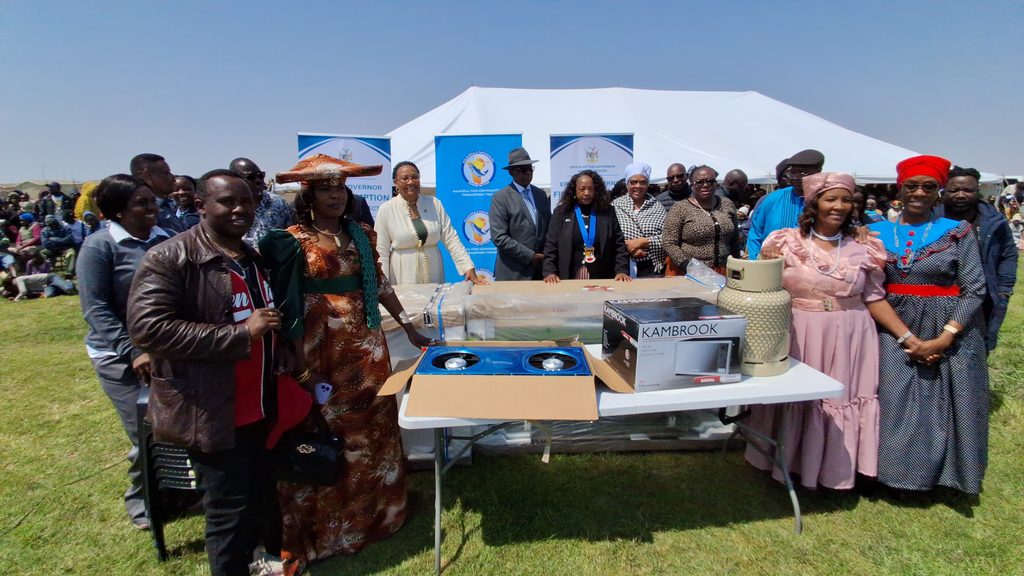
Erongo Region is seeking to turn its abundant marine resources into tangible economic opportunities for ordinary residents through a N$2.6 million fish consumption promotion project launched in Swakopmund last week.
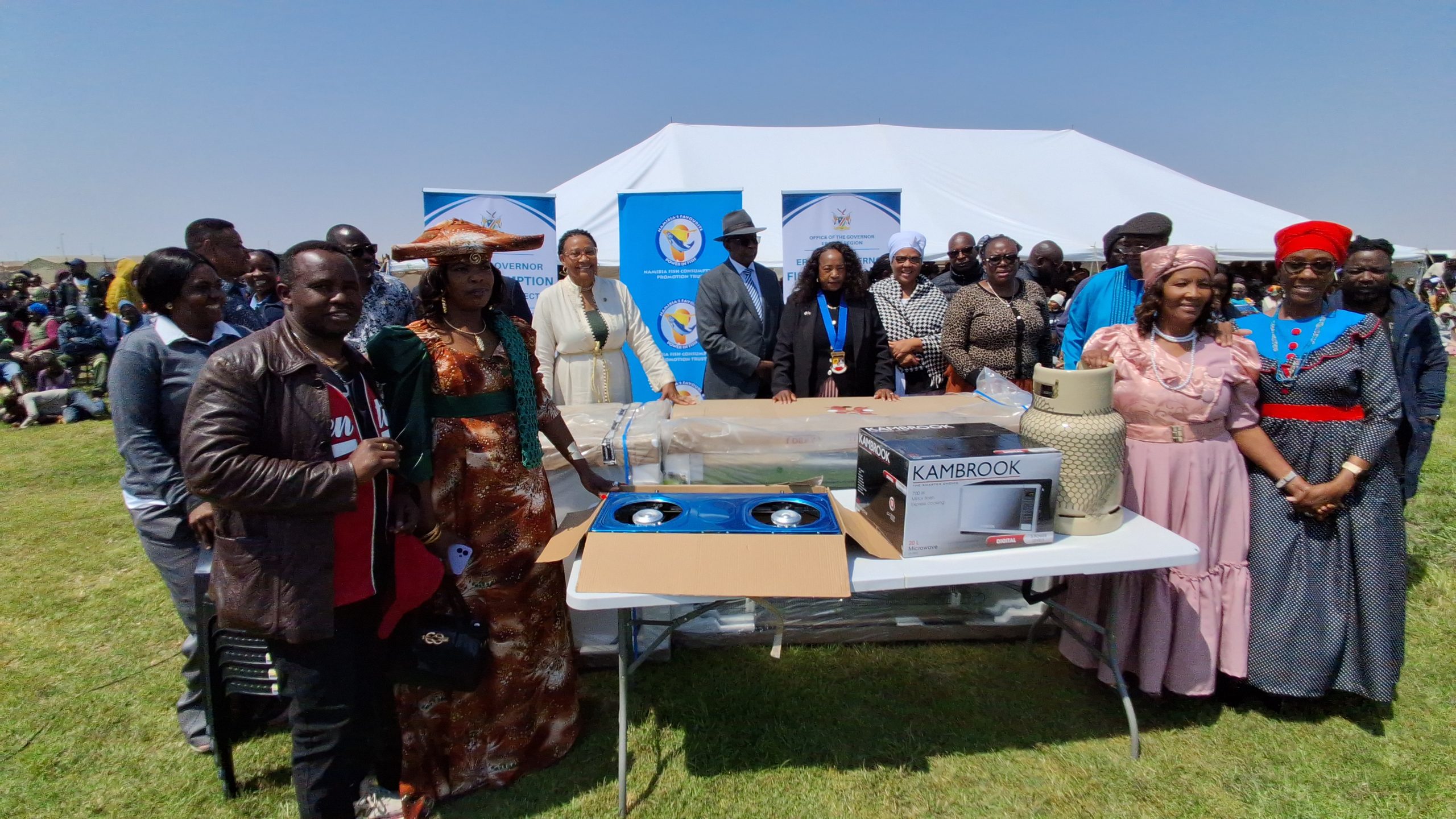
The Erongo Governor’s Fish Consumption Promotion Project, launched at the DRC Sports Field, will initially benefit 10 Namibians selected from the region’s seven constituencies, with each beneficiary receiving an equipped fish-shop container, N$5 000 in start-up capital, fish products and business development support. Launching the flagship 2026 initiative, Erongo Governor Natalia /Goagoses said the project was about much more than increasing the number of fish consumed by households. “Today is more than the launch of a government programme. It is about turning our marine resources into nutrition, entrepreneurship, employment and sustainable livelihoods for the people of Erongo,” she said. /Goagoses said Erongo’s fishing resources must benefit communities beyond their role as commodities, arguing that fish should create opportunities for people living in the region. “Our fish must not only live on our shores as commodity, it must also create opportunities on our shores, in our communities,” she said.
/Goagoses further said the first phase of the project would see 10 containers converted into fully equipped fish shops, with refrigeration, freezers, industrial stoves and other equipment needed to start operating. The beneficiaries will also receive N$5 000 each as start-up capital, while the Namibia Fish Consumption Promotion Trust (NFCPT) will provide tailored training and mentorship for at least three years. /Goagoses said the shops were intended to become genuine businesses capable of creating additional employment. “These are not merely containers. They are opportunities for people to own business, create incomes, serve their communities and participate in the fisheries value chain,” she said. She also revealed plans to explore aquaculture during the next phase, with three young Namibians who have expressed interest in the sector expected to receive assistance following feasibility assessments.
The governor called on young people to look beyond traditional employment opportunities in the fishing sector. “The fisheries sector, young people, the youth, is much bigger than catching fish,” she said, pointing to opportunities in logistics, cold storage, processing, retail, aquaculture, technology, marketing, tourism and research. National Planning Commission Director-General Ambassador Dr Kaire Mbuende described the project as a practical example of how Namibia’s marine resources can be linked to food security, entrepreneurship, employment and inclusive economic development. “Marine resources must do more than generate export earnings. They must contribute to food security, local value addition, enterprise development, employment and improve household incomes,” Mbuende said. He said the success of the project should not be measured by the number of containers launched, but by what they become in the years ahead. “Profitable businesses, jobs created, families supported, markets, fish consumed and communities strengthened” should ultimately determine whether the initiative succeeds, he said.
Mbuende also urged beneficiaries to protect the assets entrusted to them, maintain high standards, keep proper financial records, treat customers with respect and reinvest in their businesses. For the NFCPT, the initiative also addresses nutrition and the accessibility of fish. NFCPT Marketing and Communications Manager Eveline Stephanus said the 2023 Namibia Fish Consumption Survey showed that Erongo already records some of the highest fish consumption levels in the country. The survey recorded annual per capita consumption of 29.05 kilograms in rural Erongo and 31.56 kilograms in urban Erongo, compared with a national average of 18.07 kilograms.
However, Stephanus said price and availability continue to influence consumption, meaning that living in a major fishing region does not automatically guarantee that every household has regular and affordable access to fish. She said the project should therefore help bring fish closer to communities while creating opportunities across the fish value chain. “Fish is not only food, it is nutrition, it is business, it is employment, and it is an opportunity for economic development,” Stephanus said. Ten community members have also received on-the-job training in cleaning, preparing and cooking fish products, with practical demonstrations forming part of the programme. Speaking on behalf of the beneficiaries, Emilie Intumba Mukanda described the project as an opportunity that carries both economic and social responsibility. “As beneficiaries today, we don’t just receive fish shops, but we are receiving hope, dignity and opportunity,” she said. Mukanda said the beneficiaries had signed three-year contracts and committed themselves to ensuring that the project benefits their families and communities. She said the initiative would help households access nutritious fish while creating opportunities for young people and women to participate in the fish value chain.
The launch also highlighted the importance of partnerships between government, the fishing industry, local authorities and communities. Goagoses urged local authorities to work with her office to ensure the fish shops are strategically located and have access to essential services. The project’s longer-term plans include strengthening supply chains, with the governor indicating that a freezer truck is being considered for the second phase to improve fish distribution to the shops. For Goagoses, the broader ambition is to ensure that Erongo’s blue economy is felt at community level. “Transformation does not always begin with something enormous. Sometimes it begins with one entrepreneur, one business, one family, one job and one economy,” she said. The project is expected to serve as a model that could eventually be replicated in other regions, with the ultimate goal of ensuring that Namibia’s marine resources contribute more directly to nutrition, enterprise development and livelihoods.
By Sharlien Tjambari