The Ministry of Education, in partnership with the United Nations Children’s Fund (UNICEF), has recently officially launched the Namibia Learning Passport, a digital learning platform aimed at expanding access to educational resources for young Namibians.
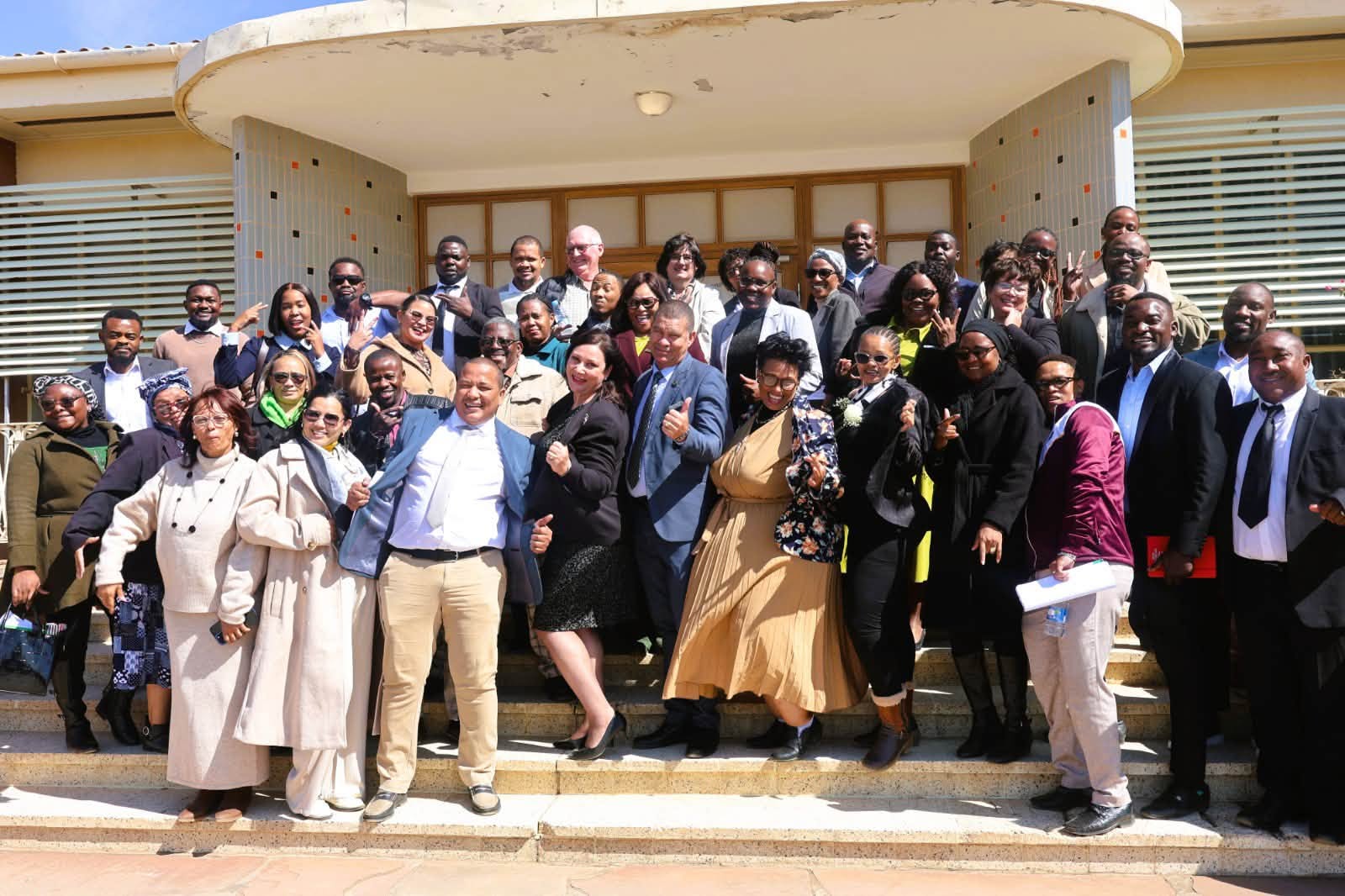
The platform was launched during the commemoration of the 2026 International Youth Day in Keetmanshoop, //Kharas Region, under the theme “Youth Advancing Multilateral Cooperation through Technology and Partnerships.”
The Namibia Learning Passport is expected to contribute to bridging educational and digital access gaps while giving young people opportunities to continue learning regardless of their location or circumstances.
Minister of Education Dr Sanet Steenkamp said the initiative marks an important step towards making education more accessible, flexible and responsive to the demands of a rapidly changing world.
“The Namibia Learning Passport has particular significance for young people in rural, remote and underserved communities,” Dr Steenkamp said. She said the platform’s digital and offline capabilities could enable learners to continue accessing educational content even in areas where internet connectivity remains limited.
Dr Steenkamp said the launch was particularly fitting during International Youth Day because the Learning Passport is designed to empower young people with skills that can improve their prospects in education, employment and entrepreneurship.
The platform provides opportunities to develop digital literacy, entrepreneurship, financial capability, life skills, citizenship and other competencies increasingly required in today’s economy.

However, Dr Steenkamp stressed that the significance of the Learning Passport goes beyond technology.
“It is about possibility. It is about saying that learning should not stop because of where you live,” she said, adding that education should be brought closer to young people rather than requiring them to travel to access opportunities.
She further emphasised the importance of lifelong learning, saying education should not end when learners leave the classroom or receive a qualification.
The minister acknowledged that young Namibians face different circumstances, with some living in urban areas while others are in rural and remote communities. Some are studying at universities or vocational training institutions, while others are working or searching for their first employment opportunity.
Despite these differences, she said young people share common aspirations, including the desire to learn, work, achieve dignity, be heard and succeed. Dr Steenkamp also acknowledged the economic challenges facing many young people, including unemployment, difficulties financing education and limited access to capital and markets for those with business ideas. She said government has a responsibility to create conditions in which young people can turn their ambitions into reality.
At the same time, she challenged young Namibians to take greater responsibility for their own development. “Do not wait for opportunity to find you; prepare yourself for it, create it where you can, and when a door opens, be ready to walk through it,” Steenkamp said.
By Rudi Bowe