Financial constraints and difficulties securing cooperation from some institutions are hampering the Anti-Corruption Commission’s efforts to expand anti-corruption education in the Erongo Region.
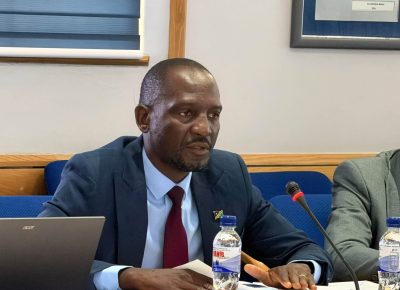
This was highlighted by the ACC’s Senior Public Education and Corruption Prevention Officer, Fillemon Enkali, during the Commission’s media briefing in Swakopmund this week, where he outlined the institution’s outreach activities over the 2024/2025 and 2025/2026 financial years. Enkali said the ACC had reached more than 1 400 members of the public through seminars, workshops and other educational activities during the two financial years.
The Commission also conducted 44 ethics and integrity training sessions and provided corruption-risk assessment training to 26 people, while 130 life skills teachers were trained to use the ACC’s anti-corruption manual. However, Enkali warned that a shortage of funding continued to affect the effective implementation of the Commission’s programmes. “The shortage of funds is actually the biggest problem,” he said, explaining that financial limitations negatively affected the efficient execution of outreach activities. He added that the ACC also faced difficulties when approaching some institutions for permission to provide corruption-related training to their employees.
According to Enkali, some stakeholders offered excuses or failed to cooperate, limiting the Commission’s ability to reach more people and strengthen corruption-prevention measures within institutions. He called for greater institutional commitment to implementing the National Anti-Corruption Strategy and Action Plan, including allocating budgets for its activities.
The ACC has also been working to strengthen anti-corruption education through schools and public institutions. Enkali said the Commission had developed an anti-corruption manual to help life skills teachers introduce corruption-related topics into the school curriculum. The manual is currently used by life skills teachers from Grade 4 to Grade 12. He explained that the ACC’s school-related activities also aim to remind and equip teachers to communicate the importance of ethics and integrity to learners.

Among the institutions and schools reached during the outreach programmes were Hanganeni Primary School, Tutaleni Primary School, Martin Luther High School in Okombahe, Ubasen Primary School in Omaruru and Karibib Junior Secondary School. The Commission also conducted training and awareness activities in places including Usakos, Omaruru, Walvis Bay, Swakopmund, Arandis and Okombahe. Enkali said the ACC had participated in regional events such as the Erongo Business and Animal Expo in 2024 and 2025 to reach members of the public. The Commission also worked with institutions, including the Ministry of Health and Social Services and Namport, on ethics and integrity training.
Enkali said the outreach programmes formed part of the ACC’s efforts to prevent corruption in public institutions and raise awareness among the public, in line with the National Anti-Corruption Strategy and Action Plan 2021–2025. He stressed that institutions needed to treat the implementation of the strategy as part of their responsibilities and ensure that sufficient resources were allocated to the work. He also called for additional officials to help the Commission carry out its programmes more effectively. The ACC believes that education and prevention are essential to reducing corruption, but Enkali said the institution needed the cooperation of other stakeholders to achieve its objectives.
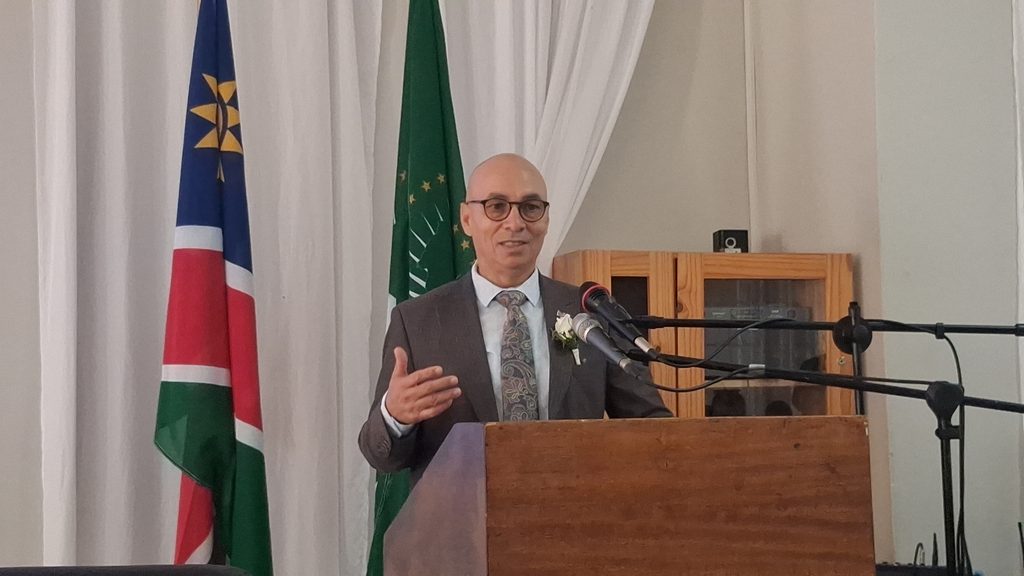
During the same briefing, Director-General Dr Bryan Eiseb reported that 94 corruption cases had been recorded in the Erongo Region in the period under review. He said the cases involved matters including public procurement, bribery, misuse of power and the alleged theft of state money. Eiseb identified bribery as the most frequently reported form of corruption in the region, with some allegations involving attempts to bribe officials at vehicle registration offices and customs. He said corruption remained a moderate to serious concern in Erongo and required sustained collective intervention.
The ACC has called on public institutions, private entities, the media and the public to work together to prevent corruption, improve accountability and protect public resources. Enkali said addressing funding shortages and improving cooperation from stakeholders would be important in helping the Commission expand its educational programmes and work towards a corruption-free Namibia.
By Sharlien Tjambari