- Oshivela Green Iron Plant and Walvis Bay Green Ammonia Project Included in USD 56 million Namibian Allocation
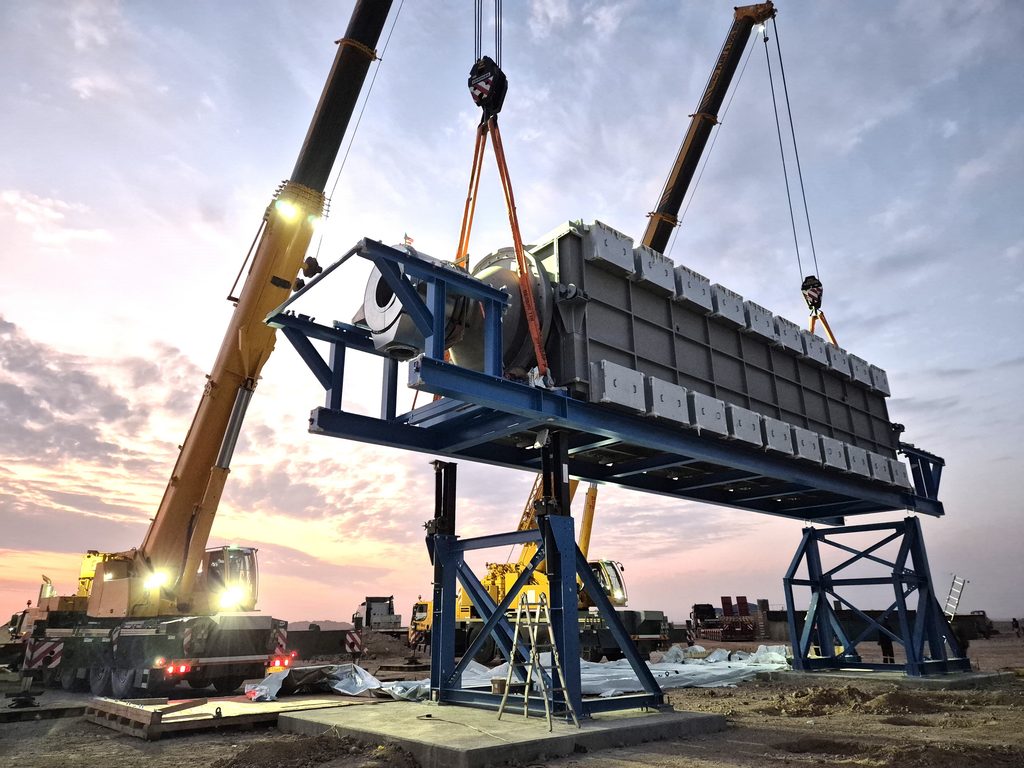
HyIron’s Oshivela Project, described as Africa’s first climate-neutral iron plant, is in Namibia’s Erongo Region. Photo Credit: HyIron Oshivela Project
Two industrial projects linked to the Erongo Region, including a green iron plant in Oshivela and a proposed green ammonia development in Walvis Bay, are among the Namibian projects supported by a major international climate funding programme.
The Green Climate Fund (GCF) has approved USD 140 million in financing for Climate Fund Managers’ Climate Investor Three (CI3) facility, which aims to support industries in Southern Africa in reducing their carbon emissions. Of this amount, USD 56 million has been allocated to Namibia through the SDG Namibia One Fund, with the remaining USD 84 million allocated to South Africa. For Erongo, the announcement brings attention to two projects that form part of Namibia’s developing green industrial sector. HyIron’s Oshivela Project, located in the Erongo Region, is described as Africa’s first climate-neutral iron plant. The other project, Zhero Molecules Walvis Bay, is focused on green ammonia. Both projects have signed development funding agreements with SDG Namibia One, according to Climate Fund Managers.
What does this mean for Erongo Region?
The funding is intended to help industrial projects move through development and construction by reducing investment risks and attracting additional public and private capital. For a region that includes Walvis Bay’s port and industrial activities, the inclusion of these projects in the funding programme highlights Erongo’s role in Namibia’s plans to develop green industries. However, the announcement does not specify how many jobs the two projects are expected to create or what direct benefits local communities will receive.
The funding allocated to Namibia consists of USD 15 million for early-stage project development and USD 41 million to support projects through construction. The money forms part of the Southern African Industrial Decarbonisation Facility (SIDF), the GCF’s first platform dedicated to reducing emissions across industrial value chains in Africa. Climate Investor Three focuses on projects that can help reduce emissions in industries that are difficult to decarbonise. Its investment areas include green hydrogen production, green ammonia, green methanol and the infrastructure needed to support these industries.

The facility combines public and private funding to help reduce investment risks and encourage further investment. The wider programme aims to mobilise USD 1.2 billion for projects across Namibia and South Africa, finance between 30 and 40 projects, install approximately 1.52 gigawatts of renewable energy capacity and avoid an estimated 24.2 million tonnes of emissions. The Environmental Investment Fund of Namibia’s chief executive officer, Benedict Libanda, said Namibia had significant potential to develop green hydrogen and related industries. He said realising this potential required capital, specialised expertise and meaningful Namibian participation. According to Libanda, the GCF funding would help advance projects that could create jobs, support industrial development and contribute to Namibia’s transition to a low-carbon economy.
The funding approval was announced by Climate Fund Managers on Wednesday, 28 October, following the GCF’s 46th Board meeting in Songdo, South Korea. The programme aims to support industrial development while reducing emissions from some of the world’s most polluting sectors. According to the press release, the project referred to in the announcement is expected to avoid 3.6 million tonnes of carbon dioxide emissions annually once completed, directly addressing emissions from steelmaking. Climate Fund Managers said it would continue to mobilise public and private investment towards CI3’s USD 1.2 billion fundraising target to support energy transition and green hydrogen infrastructure in Namibia and South Africa.
For Erongo, the inclusion of the Oshivela green iron plant and the Walvis Bay green ammonia project places the region among the areas involved in this wider industrial transition.
By Eileen van der Schyff