Some leaders are remembered for the positions they held. Others are remembered for what they built, the people they influenced and the opportunities they created for those who came after them.
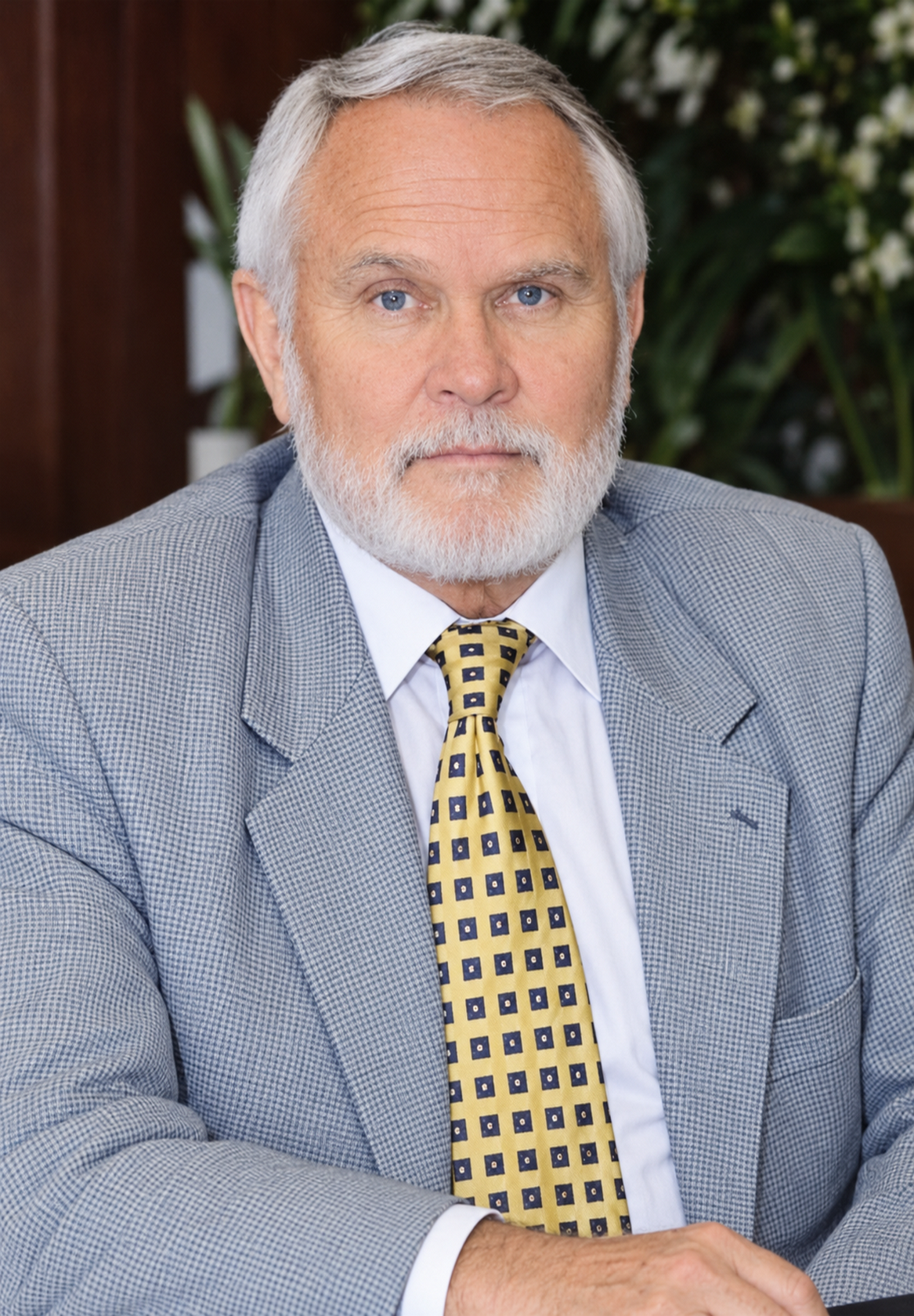
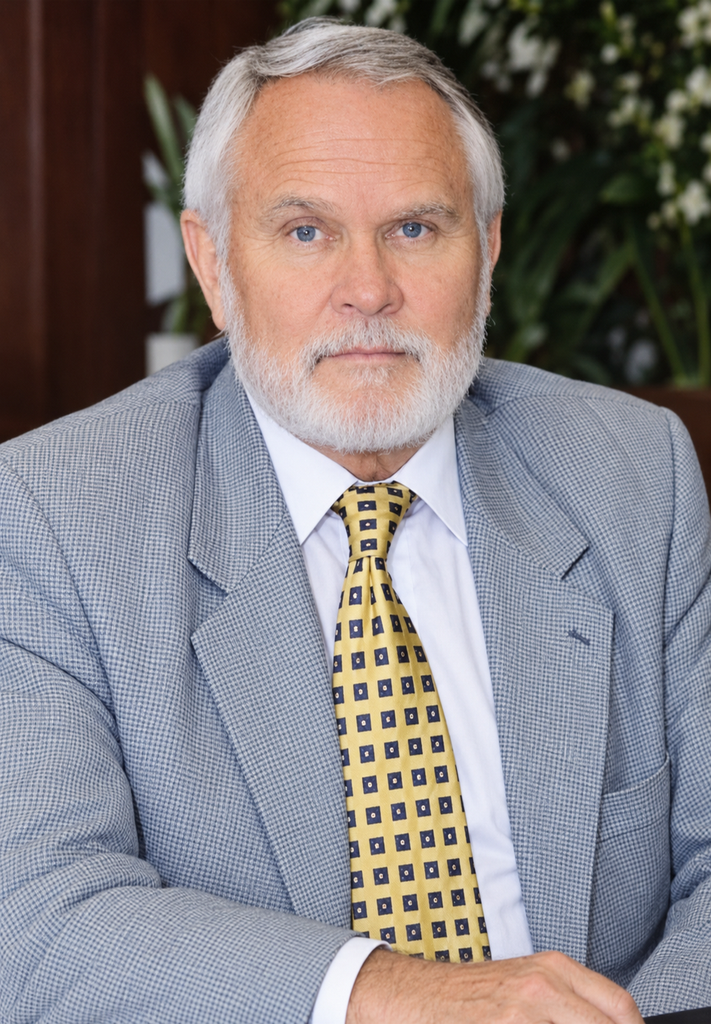
Harald Dennewill, former CEO of Manica Group Namibia, belonged to the latter category. He was a man who worked his way up from the bottom of the business, learning its different operations and gaining first-hand knowledge of the challenges facing the people who kept it running. By the time he became managing director, he understood the company from the ground up. He knew the business because he had worked in it, and he understood the people because he had worked alongside them. That experience shaped a leadership style that was demanding but fair, disciplined but compassionate, and driven by a deep commitment to the company and the people who made it work.
Dennewill’s career was built on practical experience, hard work and a willingness to recognise opportunities where others might not have seen them. His knowledge of the business extended across its different operations. He was not a leader who simply directed others from an office. His enthusiasm for the industry and his willingness to remain involved in the day-to-day running of the company set the tone for those around him.
Colleagues recall a man who was passionate about his work and whose energy carried through the organisation. He commanded considerable respect among employees, who trusted his judgement and were willing to follow his lead. He could be strict, but he was also known for being fair and compassionate. He treated people with warmth, and his ability to speak the local language helped him build relationships with employees and earn their respect.
Dennewill’s career unfolded during a period when Namibia’s freight and maritime industries were developing and new opportunities were emerging across the region. One of the projects associated with his leadership was the establishment of Walvis Bay Cold Storage, which began operating in 1981 and later became known as Commercial Cold Storage, or CCS. The facility grew into an important part of Walvis Bay’s cold-storage infrastructure, supporting the port’s fishing and export industries.
Along with Fred Strauss of the transport company Road Runners, Dennewill helped pioneer the movement of mining project cargo and machinery through Walvis Bay to the Copperbelt in Zambia and the Democratic Republic of the Congo. Copper was transported back on return journeys, creating opportunities for two-way trade. The route formed part of the development of the Trans-Zambezi corridor, which has since become an important link between Namibia’s Atlantic coast and the mining economies of the region. The ability to recognise the commercial potential of these movements demonstrated an understanding of logistics that went beyond moving cargo from one point to another. It was about connecting markets, identifying new sources of business and building services that could support long-term growth.

Dennewill also became Namibia’s representative for Lloyd’s of London, the international insurance market, extending his involvement into the shipping insurance sector. The years surrounding Namibia’s independence brought significant logistical demands. The United Nations Transition Assistance Group, known as UNTAG, operated in the country from 1989 to 1990 as part of the transition to independence. Manica successfully handled most of the UNTAG cargo before and after independence. It was a major responsibility at a pivotal time in the country’s history. The work required coordination, reliable transport and the ability to manage complex cargo movements under demanding circumstances.
Among the most significant business ventures associated with Dennewill was the establishment of Namsov Fishing Enterprises. Namsov began as a joint venture between Woker Freight Services and the Soviet state fishing company Sovrybflot. The venture brought together Namibian fishing rights and Soviet fishing expertise, creating a platform for the development of a locally rooted fishing business. Over time, Namsov grew into a major Namibian fishing enterprise and employer, with operations later extending into other parts of the region, including Angola and Mozambique. Dennewill was instrumental in ensuring that part of the company’s shareholding was reserved for the Namsov Community Trust. That decision helped establish a link between the success of the business and the wellbeing of communities across Namibia. The trust supported initiatives in education, bursaries, school and kindergarten facilities, healthcare and medical equipment, among other areas. Its work reflected the principle that a successful business could contribute to the development of the country and the communities in which its people lived.
Dennewill was also the first freight industry executive to be appointed to the board of the Namibian Ports Authority, Namport. His appointment was supported by the wider Namibian freight industry. According to colleagues, he was regarded as a fair representative who understood the interests and challenges of the different role players in the sector. His industry knowledge was seen as an asset to the development and successful operation of the ports of Walvis Bay and Lüderitz. For all his business achievements, those who remember Dennewill speak just as strongly about the man himself.
In his youth, he was a talented football player and a resolute defender. It is an apt detail in a life marked by determination, commitment and a willingness to stand firm. He was known for working long hours and being present in the office day after day. His work was also his passion, and his enthusiasm was infectious. He had a way of drawing people into a shared purpose and motivating them to give their best. He was equally comfortable at home in Walvis Bay as he was in foreign countries. His warmth, charm and ability to connect with people made an impression wherever he went. He could be demanding, but those who worked with him knew that he was fair. He valued commitment, expected people to take their responsibilities seriously and earned loyalty through his own example. His colleagues describe him as a rare individual whose vision was often years ahead of its time. He recognised possibilities, opened new avenues of business and helped create income streams that strengthened the company.
Harald Dennewill’s contribution cannot be measured by a single appointment, project or business venture. For Manica Group Namibia, his legacy is part of the company’s own history. For the wider freight and maritime industry, his career stands as a reminder of the value of experience, initiative and a willingness to look beyond the immediate horizon. And for those who knew him, he will be remembered as more than a managing director. He was a leader who understood his business, believed in his people and helped create opportunities that outlasted his time at the helm. He was, as one colleague put it, …one of a kind.