Photo: Marshallino Beukes
With the unavailability of affordable housing in Swakopmund (and the rest of the country) escalating by the day, Namib Times took to the streets of the holiday town’s Mondesa and DRC suburbs where the majority of low- and middle-income residents live. We’ve encountered different scenarios, one of it being some residents who are living in shacks next to their uncompleted houses.
Meme Gina Petrus (63), a pensioner who has been residing in a shack (ghetto) in DRC since 2012 with her seven children and five grandchildren, recently reached the light at the end of the tunnel when a newly constructed one-bedroom house in DRC (police station’s area) was allocated to her. Although Meme Petrus is delighted and grateful for this long-awaited house awarded to her, she now finds herself in another predicament.
According to her, it is required from her to give up the shack and erf which she has erected and extended from her own pocket to accommodate her children and grandchildren for the past 14 years. “Where will my children and grandchildren go?” she asked. Her wish is to keep the erf on which the shack is for her children to have a place to stay, because, according to her, she will have no peace of mind in her new house as long as her children don’t have a place to stay. Namib Times also caught up with Ms Elsie Areses (44) a lady who is living with a disability and residing in an allocated Build Together house in Tulinawa, Mondesa (Shoprite’s side). The house was apparently allocated to her late mother.

As per Elsie, her mother passed away before the third stage of the construction, which is the roof of the house, materialised and since then she has been struggling to get answers regarding this issue and on how much her late mother still owes on the loan. She apparently also tried to request for a pre-paid water meter to be installed at the house but was informed that it could not be done as the house is not registered to her name. Elsie is depending on a monthly disabled person grant from government as she is not in the position to get employment due to her disability. She told Namib Times that an amount of at least N$2 000 was required from her to transfer ownership of the house on her name.
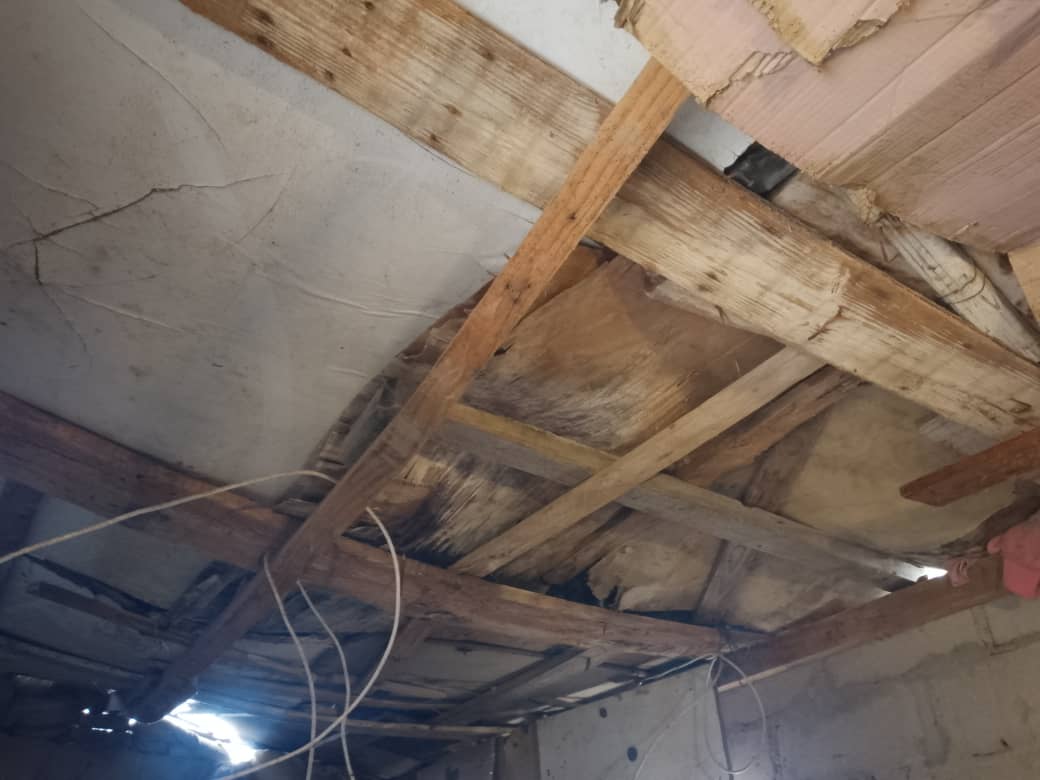
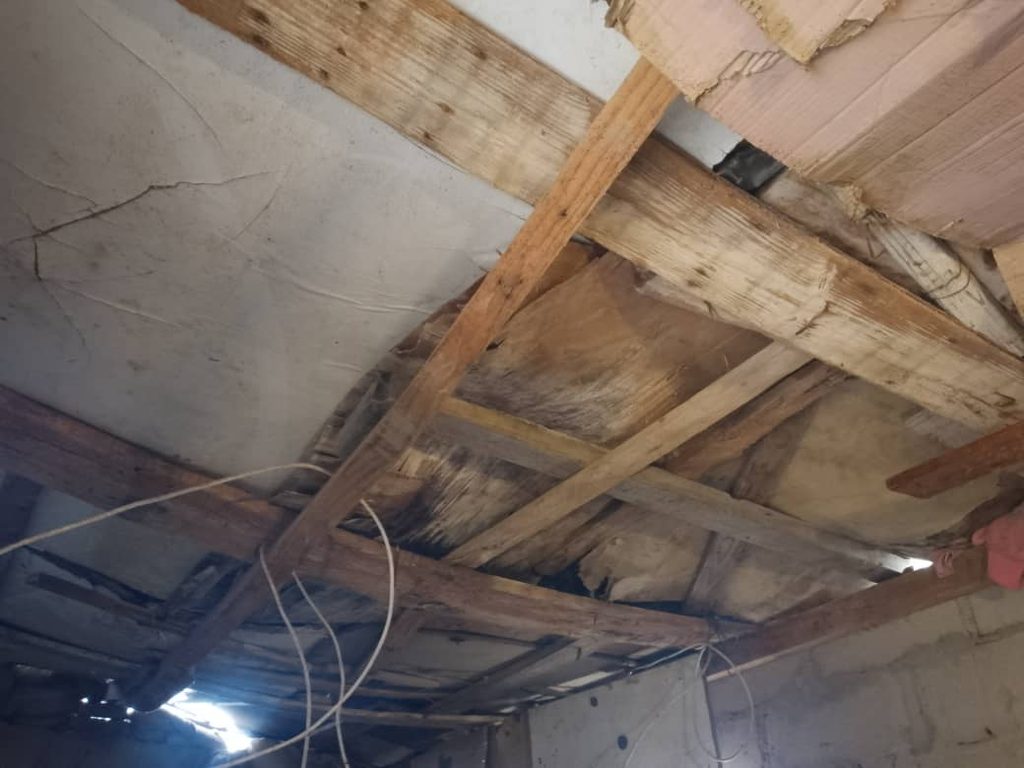
Meanwhile, she and her children are living in the house with a self-improvised roof. Another Tulinawa resident, Ms Mariana Gases (45), a single unemployed mother of five (four underaged) is currently living in a ghetto next to her allocated Build Together house, as the house doesn’t have a roof yet. As per Mariana, the Build Together loan requirements indicate that she must provide a roof for the house herself before the final payment of the allocated loan amount can be paid to her. “I qualified for a loan amount of N$20 000 to build the house, which was paid in stages. N$7 000 of the money were deducted for the erf. By way of personal loans, I’ve managed to erect the house up to roof hight but then the loan money (for the first two of three stages) and my resources ran out. Why can’t they just assist me with the final amount on the loan to put a roof on the house? How am I as an unemployed mother supposed to get hold of money to put the roof on?” Mariana asked.
She was apparently advised to complete forms to request for more money on her loan amount, but nothing realised until date. According to her, people next to her house received loans of up to N$40 000 and she didn’t even receive official proof that only N$20 000 were allocated to her. “This payment method is not transparent and on the loan amount of N$20 000 one has to pay back more than N$60 000 – how is this helping low-income or unemployed residents?” Mariana concluded.
By Marshallino Beukes