Namibia has unveiled a spectacular 176.29-carat natural diamond, recovered at Namdeb’s Southern Coastal Mine near Oranjemund, with President Netumbo Nandi-Ndaitwah describing the discovery as a major milestone for the country’s diamond industry and an opportunity to turn natural wealth into broader economic benefits.
The exceptional stone was recovered on 10 May 2026 and is the largest diamond of its kind discovered at the Southern Coastal Mine in the past two decades, according to the Presidency.
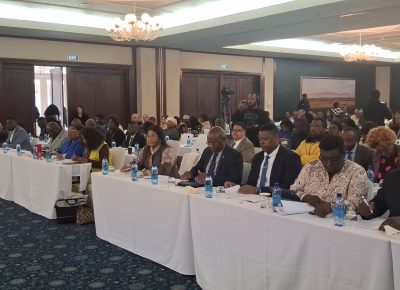
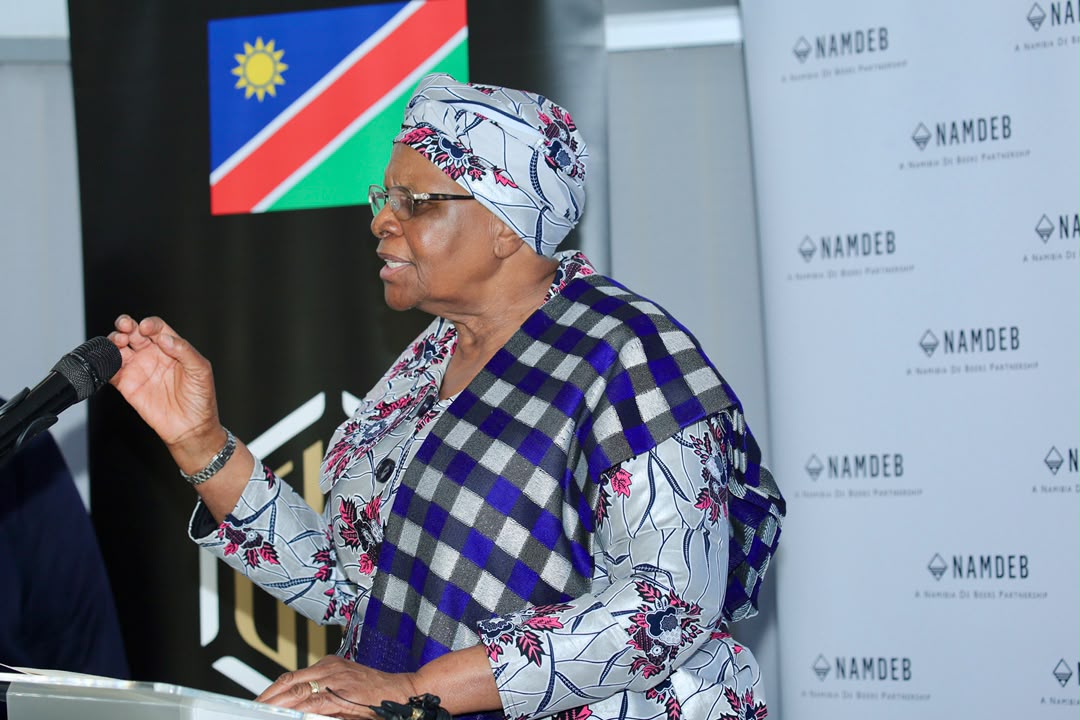
Unveiled at the Namibia Diamond Trading Company (NDTC) offices in Windhoek, the stone has placed Namibia’s natural diamond resources firmly back in the spotlight at a time when the global diamond industry is undergoing major changes. President Nandi-Ndaitwah said the discovery represented more than a remarkable geological find. “This remarkable stone represents the largest diamond of its kind to be discovered at the mine in the past two decades,” she said, describing it as a source of pride for Namibia and a testament to the country’s reputation as a producer of high-quality natural diamonds.
Namdeb’s land-based operations are centred around Oranjemund and the south-western coast, with the company recovering diamonds from alluvial deposits using specialised mining techniques. Namdeb Holdings is a 50:50 partnership between the Government of Namibia and De Beers. But the President’s message went beyond the value of a single stone. She said mining remains Namibia’s number-one critical enabler in achieving a balance between state-led development and a market-led economy, while stressing the importance of natural-resource beneficiation and its potential to create jobs.

The discovery comes against a challenging backdrop for the international diamond market, where changing consumer preferences, competition from laboratory-grown diamonds and fluctuations in global markets are reshaping the industry. Nandi-Ndaitwah said Namibia therefore needs to remain innovative and adaptable while protecting the reputation of its natural diamonds. The President also called for Namibia to increase its participation further down the diamond value chain by pursuing commercially viable opportunities in cutting, polishing, jewellery manufacturing and related industries. Such expansion, she said, must be driven by market demand, sound economics, appropriate skills and technology.
The 176.29-carat stone has also revived the broader question of what Namibia can gain when its natural resources are processed and commercialised beyond simply extracting and exporting them. Nandi-Ndaitwah said Namibia must position its diamonds internationally around their rarity, authenticity, quality and responsible provenance. She highlighted the country’s diamond story as one built around natural heritage, responsible production and the longstanding partnership between Government, NDTC and De Beers. Namdeb’s operations remain an important part of that story.
Official industry data shows that its southern coastal recovery area stretches roughly 100 kilometres from Oranjemund towards Chameis Bay, with the operation recovering diamonds from alluvial deposits along the coast. For Namibia, however, the significance of the latest discovery will ultimately extend beyond the sparkle of the stone itself. The President said revenue generated from the country’s mineral wealth can support essential public services including education, healthcare, housing and infrastructure development. She congratulated Namdeb and its employees on the discovery, calling for renewed commitment to ensuring that the wealth beneath Namibia’s soil becomes “a source of shared prosperity for all Namibians.”
By Rudi Bowe