Homes in days, not months, as local company pushes faster and cheaper building solution to Namibia’s massive housing shortage that could be tackled with a new construction technology which promises to put families into completed homes in as little as seven days.
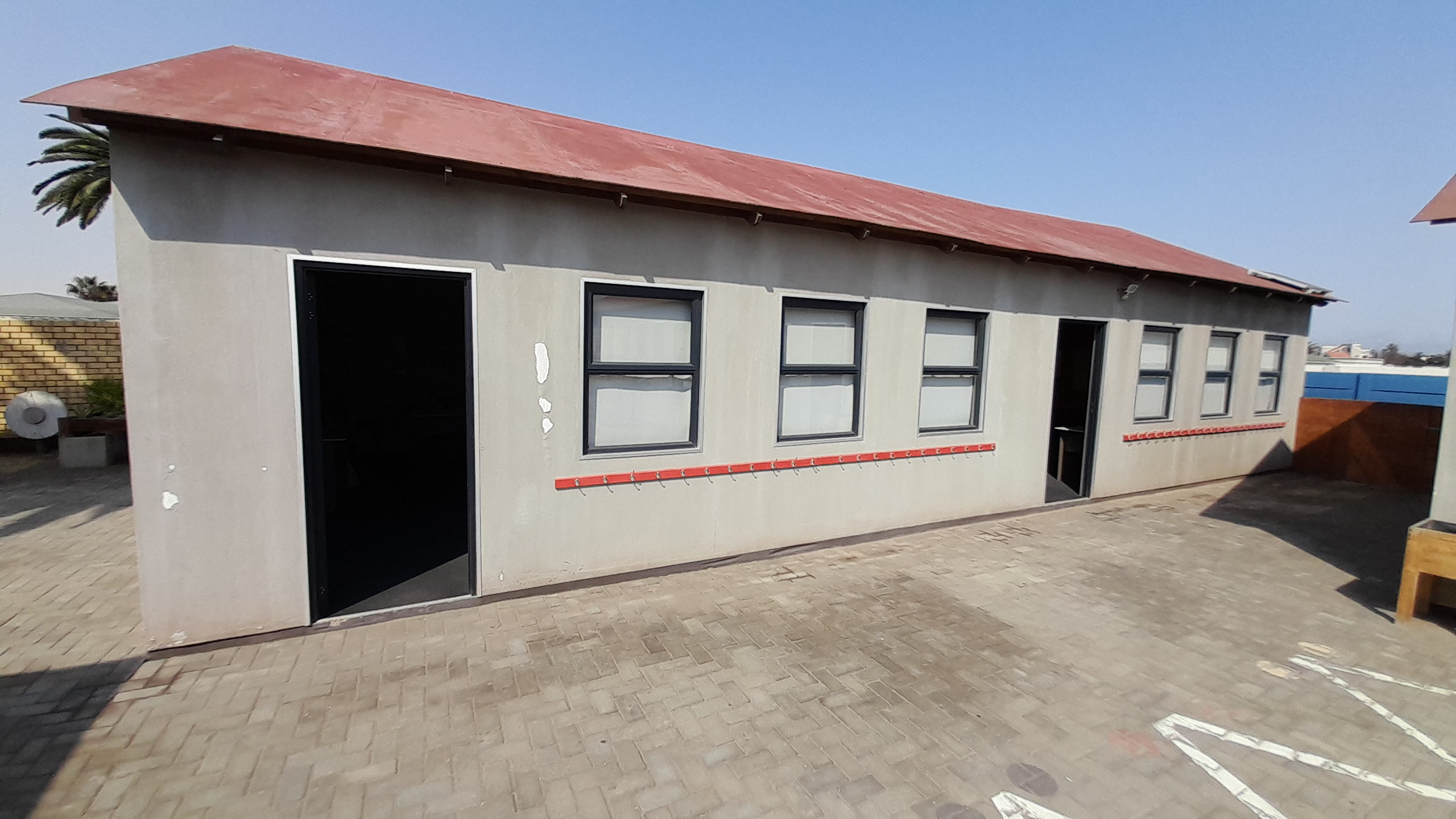
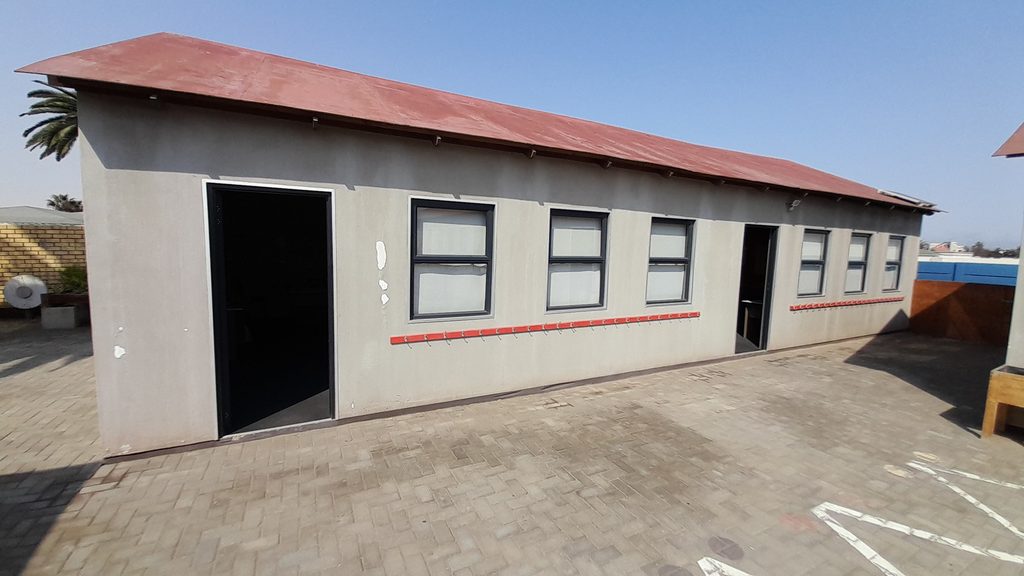
Living Home Investment Namibia is positioning its prefabricated housing system as a faster, more affordable alternative to conventional brick-and-mortar construction, as the company seeks to scale up production and secure partnerships to address the country’s housing crisis. The technology was showcased in Walvis Bay on Friday when senior officials from the National Housing Enterprise (NHE) Gisbertus Mukulu, including its Chief Executive Officer, Deputy Chairperson of the Board Hasting Tjipueja and Housing and Infrastructure executives, visited the company’s proof-of-concept housing model at Alexander Private School.
The delegation was received by Living Home Namibia Communications Director Moses King Kairimuti, who said that the visit by senior officials could pave the way for closer cooperation between NHE and the company, particularly given NHE’s mandate to facilitate affordable housing across Namibia. “We saw NHE as a crucial strategic partner because they are mandated by government to assist government in affordable housing across the country,” Kairimuti said. Unlike traditional houses that can take months to complete, Living Home houses are manufactured using prefabricated panels containing fibre and foam-based materials.
The panels are produced at a factory, transported to the building site and assembled on a prepared concrete foundation. According to the company, a team of just four people can assemble a house in approximately three days once the foundation has cured, with the entire construction process potentially allowing residents to move in within seven days. The technology was developed after studying housing systems in Europe and Southern Africa, with Namibia’s climate, environment and weather conditions taken into account. The initiative was spearheaded by Dirk Oosthuizen, who has extensive European experience in alternative housing solutions. The company’s proof-of-concept building at Alexander Private School has stood for about six years, providing an opportunity to test the system’s durability under local conditions.
Kairimuti said improvements have since been made to the original design, including roofing, painting and construction materials. Living Home Namibia plans to establish its first factories in Okahandja and Oshakati, serving central and northern Namibia respectively. The company is targeting up to 1 000 houses in each region, subject to land availability, servicing and cooperation with local authorities. The private sector is also showing interest. The company says it has signed a memorandum of understanding linked to a proposed 8 500-house development, while a further 200-house project is being considered in Grootfontein. Prices currently range from about N$225 000 to N$375 000 for completed homes, while self-build options range from N$180 000 to N$315 000, depending on size and specifications. One-, two- and three-bedroom models are available, including smaller “Living Box” units and homes of approximately 44 square metres.
The company is also exploring end-user financing with a strategic partner to assist prospective homeowners who may struggle to qualify for conventional bank loans. Kairimuti stressed that the goal is not simply to build cheap houses, but to give Namibians quality homes. “We didn’t just want to present something affordable. We didn’t want to present something that is cheap. It’s something that gives you dignity. It’s a house,” he said. With Namibia’s housing demand continuing to outstrip supply, Living Home Namibia believes its technology could offer government, developers and families a practical new weapon in the fight against the country’s housing backlog.
By Rudi Bowe