Photo: miningweekly. com
The granting of an Environmental Clearance Certificate (ECC) to Namibian Marine Phosphate (NMP) Pty Ltd for its proposed Sandpiper marine phosphate mining project has prompted renewed debate about the potential implications of seabed mining for Namibia’s marine environment and fishing sector.
The ECC was approved on 5 August 2026 and is valid until 5 August 2029. The Sandpiper project is located within Mining Licence 170 (ML 170), approximately 120 kilometres southwest of Walvis Bay. (Facebook). Ocean Conservation Namibia (OCN) has expressed concern about the approval and is calling for greater transparency around the scientific information considered during the environmental assessment process.
Damian Schreiber, Marine Conservation Communications, Field and Research Officer at Ocean Conservation Namibia, spoke to Namib Times about the organisation’s concerns. According to Schreiber, OCN’s primary concern relates to the potential environmental implications of the proposed mining activity. “Our main concern is the potential environmental impact of large-scale marine phosphate mining on the Benguela ecosystem.” Schreiber said the area forms part of a productive marine environment and is also important to Namibia’s fishing industry.
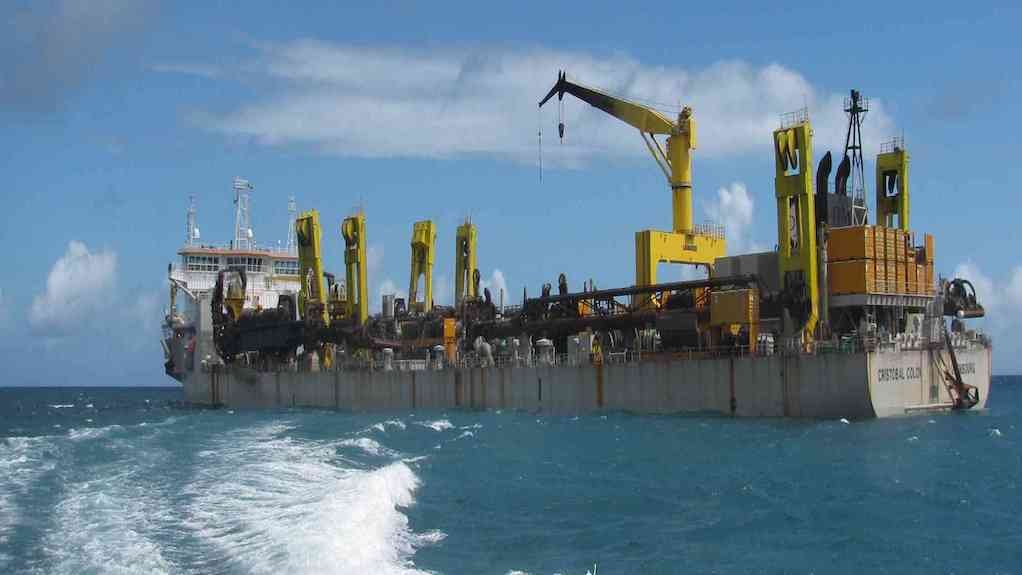
OCN’s concerns relate particularly to the proposed disturbance of the seabed during the mining process. “The proposed dredging of the seabed could destroy important marine habitats and create sediment plumes that may spread over large areas, potentially affecting water quality and marine life.” These are concerns raised by OCN, rather than findings presented by Namib Times as established environmental impacts. The Sandpiper project has been under discussion for more than a decade. According to OCN, the project was halted in 2012 following opposition from the fisheries sector and environmental groups, while the assessment process was restarted in 2021.
Schreiber said OCN remains concerned about the limited experience internationally with marine phosphate mining on the proposed scale. “Marine phosphate mining on this scale has never been carried out anywhere in the world before.” He said this creates uncertainty about the potential consequences. “Namibia therefore risks becoming a testing ground for a new type of mining, with environmental impacts that are still difficult to predict.”

The characterisation of the project and its potential risks reflects OCN’s position on the development. OCN also points to concerns raised by representatives of the fishing sector regarding the possible effects of the proposed mining operation. “There are also concerns from the fishing industry about the possible release of heavy metals and other substances during the mining process, which could affect marine resources and fisheries.” The fishing sector has separately raised objections to the granting of the ECC and has indicated that it is considering legal avenues in relation to the decision. (Informante) Schreiber stressed that the granting of the ECC should not be interpreted as meaning that marine phosphate mining will immediately commence. “It is also important to understand that the approval of the ECC does not mean that mining will start immediately.”
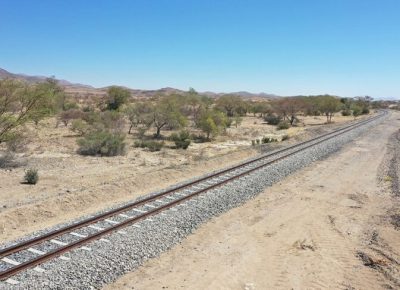
According to Schreiber, the project still has to proceed through further planning, permitting and development stages. This includes the proposed terrestrial component of the project, which OCN says has also attracted environmental concerns. “Without the necessary land-based infrastructure, which raises additional environmental concerns, the marine mining operation cannot take place.” The ECC therefore represents an environmental approval within the project’s broader development and permitting process, rather than meaning that all remaining project requirements have been completed. OCN released a statement on Tuesday, 11 August, titled “Sandpiper Approval Raises Red Flags for Benguela Ecosystem and Fisheries.” (Facebook)
The organisation supports calls by the Independent Patriots for Change (IPC) and the Popular Democratic Movement (PDM) for the reports and scientific studies on which the ECC decision was based to be made publicly available. Schreiber said this would allow the information to be independently examined. “We support calls by the Independent Patriots for Change (IPC) and the Popular Democratic Movement (PDM) for the reports and scientific studies on which the Environmental Clearance Certificate decision was based to be made public, allowing them to be independently reviewed.” OCN maintains that greater access to the underlying scientific information would contribute to transparency around the decision. The granting of the ECC has brought the Sandpiper project back into the spotlight, with conservation organisations, political parties and representatives of the fishing industry expressing different views about the development. (The Namibian).
For OCN, the issue is ultimately about ensuring that decisions concerning Namibia’s marine resources are informed by scientific evidence and that the potential consequences are properly understood. “As a conservation organisation, we are deeply concerned about the potential environmental impacts and therefore need to help raise awareness about this issue.” The Sandpiper project has yet to progress through all of the remaining stages required before marine mining could potentially commence.
Namib Times has presented the environmental concerns in this article as the views of Ocean Conservation Namibia and Damian Schreiber. The newspaper does not present those concerns as established findings of its own.
By Eileen van der Schyff