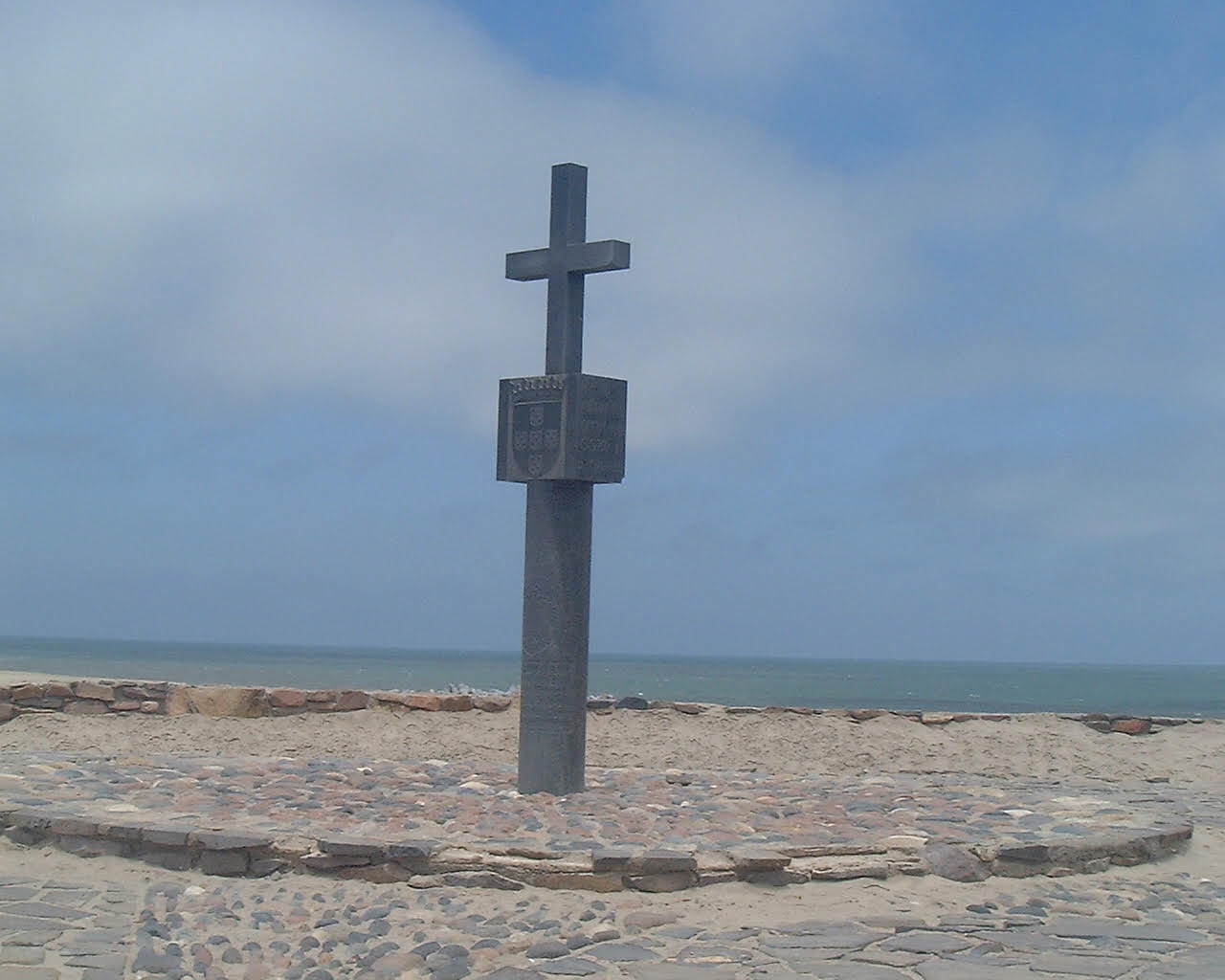
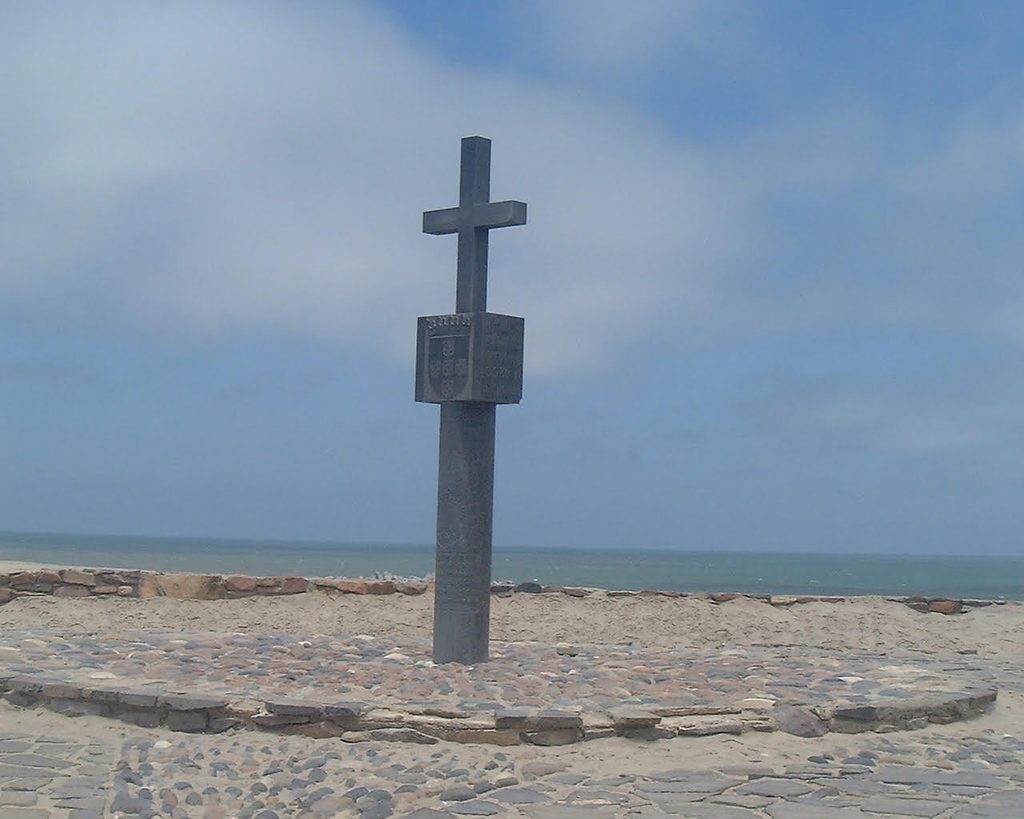
Padrão at Cape Cross (replica; the original, dating from 1486, was in the German Historical Museum in Berlin from 1894 to 2019 and has been back in Namibia since 2019).
Photo Credit: Wikimedia.org Creative CommonsAttribution-Share Alike 2.0 Germany
The Swakopmund Museum is calling on people across Namibia and beyond to share stories, memories, traditional knowledge and creative works connected to Cape Cross as part of an initiative to document the area’s rich historical and cultural significance. Under the title “The Cape Cross: Stories, Memories and Meanings”, the museum is inviting contributions ranging from oral histories and family stories to praise songs, poems, photographs, historical documents and contemporary reflections on the meaning of Cape Cross.
The deadline for submissions is Sunday, 20 December 2026. In its call for contributions, the museum emphasises that the history of Cape Cross extends beyond the famous stone cross erected by Portuguese navigator Diogo Cão in 1486. It is interested in the different stories, names, memories and cultural expressions associated with the place, particularly those reflecting how people and communities have understood, remembered and experienced Cape Cross over time. “You do not need to be an academic or historian to contribute,” the museum states in its appeal, adding that it welcomes knowledge held and shared in many different forms.
Cape Cross is widely associated with the stone padrão erected by Diogo Cão in 1486 during Portuguese maritime exploration along the African coast. A padrão was a stone monument erected by Portuguese explorers to mark voyages and assert claims on behalf of the Portuguese Crown. These monuments became historical markers of Portugal’s expansion into new territories during the Age of Exploration. The original Cape Cross stone cross was removed from the site in 1893 and taken to Germany during the period of German colonial rule in Namibia. Following a request by the Namibian state, the original cross returned to Namibia in 2019, more than a century after its removal.
The cross remains an important historical object associated with early European exploration and Namibia’s colonial history. However, the museum’s initiative seeks to explore the broader significance of Cape Cross, recognising that the place and its history cannot be understood through the stone monument alone. The appeal therefore creates an opportunity to document perspectives and experiences that may not be captured in conventional historical accounts.
The museum is inviting contributions from individuals and communities across Namibia and beyond. These may include personal and family histories, traditional stories, community histories, praise songs and praise poetry, as well as poems, songs and other creative works. People are also encouraged to share names and meanings associated with Cape Cross, along with memories of visiting the area, living nearby, working there or engaging with the place in other ways. Photographs, letters, documents, research, publications and other historical materials are welcome. The museum is also interested in contemporary reflections on what Cape Cross means to people today. The initiative recognises that historical knowledge is preserved in different ways, including through oral traditions, family memories, cultural expressions and personal experiences. By bringing these contributions together, the museum hopes to support ongoing efforts to document, interpret and safeguard the histories and cultural meanings associated with Cape Cross. The material may also contribute to future museum interpretation, public programmes and exhibitions.
The call provides an opportunity for people to contribute to the preservation of Cape Cross’s history and the many perspectives connected to the area. Whether through a family story passed down through generations, an old photograph, a traditional song, a research document or a personal reflection, contributions can help build a broader record of how Cape Cross has been understood and experienced over time. The museum has also made provision for contributors who wish to protect their privacy or place limits on how their material is used. Contributors are asked to indicate if they wish to remain anonymous or do not want their contributions to be used in public interpretation or exhibitions.

The initiative invites people to consider the different ways in which places become part of collective memory and how those memories can be preserved for future generations. Contributions should be emailed to capecross@sciswk.com with the subject line “The Cape Cross Contribution”. The deadline for submissions is Sunday, 20 December 2026. The Swakopmund Museum encourages individuals and communities with stories, songs, poems, photographs, documents, research or other material relating to Cape Cross to take part in the initiative.
Source: Swakopmund Museum, “The Cape Cross: Stories, Memories and Meanings” – Call for Contributions.
Additional historical sources:
Deutsches Historisches Museum: Historical information about the original Cape Cross stone and its return to Namibia in 2019. The Stone Cross from Cape Cross
German Federal Foreign Office: Information on the return of the original stone cross to Namibia in 2019. Return of the Stone Cross of Cape Cross to Namibia
By Eileen van der Schyff