Photos: MICT Erongo Regional Office
The fight against gender-based violence cannot stop at conferences, speeches and awareness campaigns. It must reach the homes, schools and communities where violence happens.
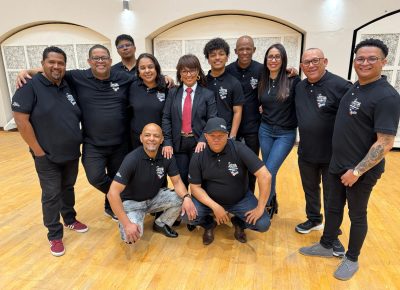
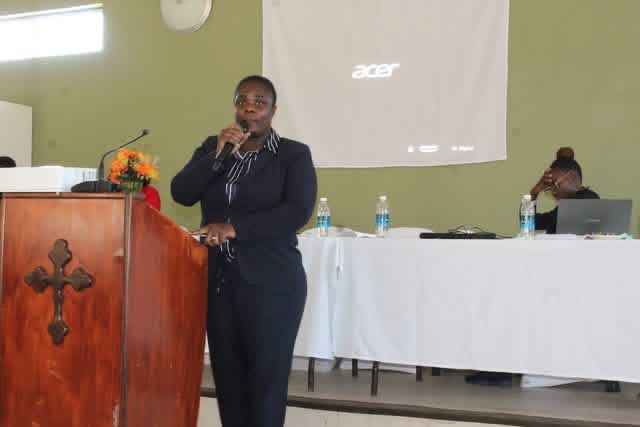
That was the message coming out of the MNDAPE Zero Tolerance Men and Women Conference on Gender-Based Violence, held at Hosiana Parish in Walvis Bay. The gathering brought together community leaders, government representatives, civil society organisations, churches, law enforcement, health professionals, educators and residents to discuss what can be done to address GBV in the Erongo Region. Walvis Bay Urban Constituency Councillor Albertina Nkoshi, who delivered the keynote address, said the issue could no longer be treated as a private family problem. She said GBV affects entire communities and can leave lasting consequences for individuals and families. “Behind every statistic, is a human being whose dignity, safety and future may have been affected,” Nkoshi said. She pointed out that abuse is not limited to physical attacks. It can also include emotional, sexual and economic abuse, intimidation, harassment and controlling behaviour. For many victims, however, one of the biggest obstacles remains the silence surrounding abuse.
The conference therefore called on residents to stop looking away when they see or suspect that someone is being abused. Speakers also placed strong emphasis on the role of families in preventing violence. Children learn from what they see at home, and parents have an important role in showing them what respect, equality and healthy relationships look like. The conference also challenged the idea that violence is linked to masculinity. Young men should be taught that being strong does not mean controlling or intimidating others, while young women should grow up knowing that they have the right to feel safe and respected. Another important issue raised was the treatment of survivors. Victims of abuse need support rather than judgement, delegates said. They should be able to seek help without being blamed or shamed for what happened to them. At the same time, perpetrators must face consequences for their actions.
The message from the conference was that prevention and accountability have to go hand in hand. Government alone cannot solve the GBV crisis. Schools, churches, families, community organisations, health workers, police and ordinary residents all have a part to play in creating an environment where abuse is challenged rather than tolerated. Nkoshi urged those attending to ensure that the conference results in action rather than simply becoming another discussion about GBV. “Let this conference not end with speeches and resolutions alone. Let it result in concrete commitments, stronger partnerships and measurable action,” she said. MNDAPE Zero Tolerance said it would continue working towards safer families and communities by educating residents, supporting survivors, speaking out against abuse and challenging harmful behaviour.
The challenge now is to take that message beyond Hosiana Parish and into the community — because ending GBV requires saying no to violence, it requires people to act when they see it, speak when others remain silent and refuse to accept abuse as normal.
By Eileen van der Schyff